

Row covers for warmth
11 years ago
Featured Answer
Sort by:Oldest
Comments (9)
 11 years ago
 11 years ago
Related Professionals
Zanesville Landscape Architects & Landscape Designers · Stamford Landscape Architects & Landscape Designers · Bangor Landscape Architects & Landscape Designers · Tucson Landscape Architects & Landscape Designers · Kansas City Landscape Contractors · Tulsa Landscape Contractors · Moline Landscape Contractors · Lansing Landscape Contractors · Jamestown Landscape Contractors · Eau Claire Landscape Contractors · Las Cruces Landscape Contractors · Lagrange Landscape Contractors · Orangeburg Accessory Dwelling Units · Chico Accessory Dwelling Units · Edmonton Accessory Dwelling Units- 11 years agolast modified: 11 years ago
- 11 years ago
- 11 years ago
 PRO11 years ago
- 11 years ago
 11 years ago
Related Stories
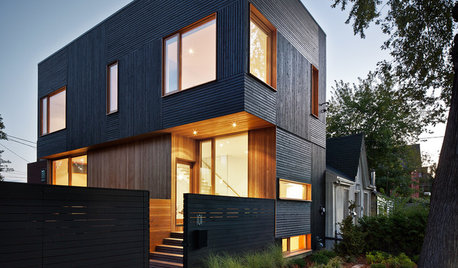
CURB APPEALEntry Recipe: Warmth, Style and Privacy in Toronto
A front porch dominated by wood and glass rises and pivots toward a side courtyard sheltered from street traffic
Full Story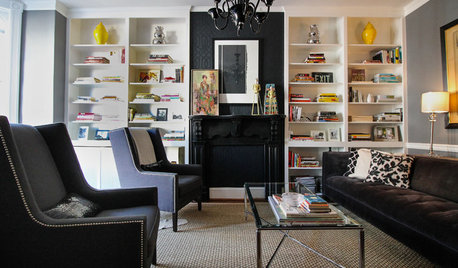
HOUZZ TOURSMy Houzz: Relaxed Glamour in a Downtown Row House
See how this Maryland couple put their own creative stamp on their 1890 home
Full Story

HOUZZ TOURSHouzz Tour: Loving the Old and New in an 1880s Brooklyn Row House
More natural light and a newly open plan set off furnishings thoughtfully culled from the past
Full Story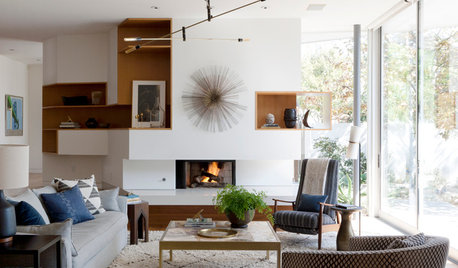
MODERN HOMESHouzz Tour: Earthy Decor Adds Warmth to a Modern Home
Nature-based colors and rustic elements bring a cozier feeling to a minimalist house in Southern California
Full Story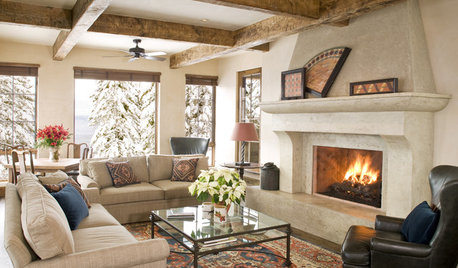
DECORATING GUIDES12 Ways to Work With Rugs for Warmth and Beauty
Try these ideas for rug placement, style and size for a pulled-together look and a great feel underfoot
Full Story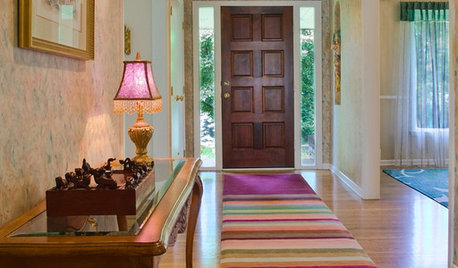
DECORATING GUIDESGet Clever With Area Rugs for Warmth and Beauty
Give feet a soft landing, protect your floor, hide a stain ... with area rugs in your arsenal, you can win any flooring battle
Full Story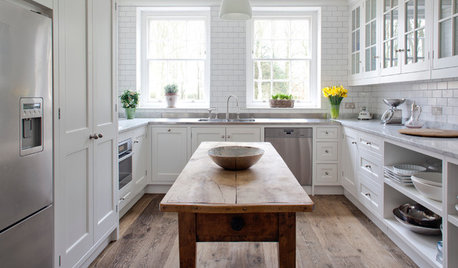
DECORATING GUIDESBring in Warmth and Character With Reclaimed Wood
Got a hankering for that natural touch? Go rough or refined with these ideas for using salvaged wood indoors and out
Full Story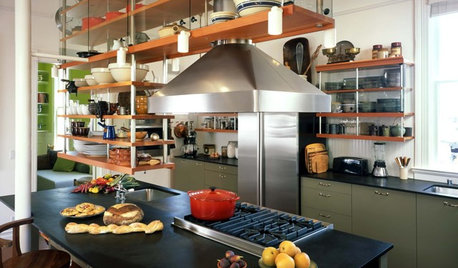
KITCHEN DESIGNKitchen Counters: Recycled Paper Surprises With Durability and Warmth
Sturdier than you might think, this postconsumer countertop material also has major environmental cred
Full Story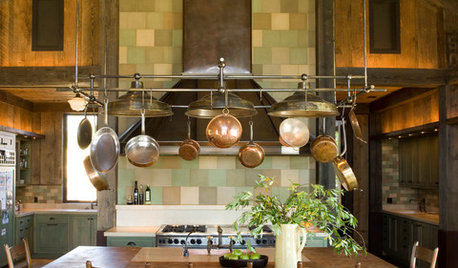
KITCHEN DESIGN12 Rustic Touches That Add Warmth to a Kitchen
Exposed beams, chandeliers, farm tables or just a key accessory or two can bring some coziness to the heart of your home
Full Story

RI-Mike