

How important is drainage for a compost bin?
11 years ago
last modified: 11 years ago
Featured Answer
Sort by:Oldest
Comments (6)
- 11 years agolast modified: 11 years ago
- 11 years ago
Related Professionals
Killeen Landscape Architects & Landscape Designers · Chillicothe Landscape Architects & Landscape Designers · Dubuque Landscape Architects & Landscape Designers · Spanish Fork Landscape Architects & Landscape Designers · Selma Landscape Contractors · Hagerstown Landscape Contractors · Cincinnati Landscape Contractors · Altoona Landscape Contractors · Superior Landscape Contractors · Longview Landscape Contractors · Toronto Landscape Contractors · Dover Stone, Pavers & Concrete · Waco Stone, Pavers & Concrete · North Adams Stone, Pavers & Concrete · Jamestown Stone, Pavers & Concrete- 11 years ago
 11 years ago
- 11 years ago

Related Stories

GARDENING GUIDESGet on a Composting Kick (Hello, Free Fertilizer!)
Quit shelling out for pricey substitutes that aren’t even as good. Here’s how to give your soil the best while lightening your trash load
Full Story
GARDENING GUIDESHouzz TV: Make a Worm Bin for Rich Soil and Happy Plants
A worm-powered compost bin that can fit under a sink turns food scraps into a powerful amendment for your garden. Here’s how to make one
Full Story
GARDENING AND LANDSCAPINGLet's Talk Trash Bins
No one gazes fondly on garbage cans. Keep your street cred intact and your bins under wraps with these camouflage solutions
Full Story
GARDENING GUIDESGardening Solutions for Heavy Clay Soils
What’s a gardener to do with soil that’s easily compacted and has poor drainage? Find out here
Full Story
CURB APPEALHouzz Call: How Do You Hide Your Trash?
No one wants to see those trash and recycling bins. So where do you stash them while you wait for the garbage truck? Show us your designs!
Full Story
LIGHTINGHow to Choose the Right Solar Lights
Learn about different types of outdoor solar lights, where to use them and why you might want to avoid the bargain bin
Full Story
FALL GARDENINGMake This Fall’s Garden the Best Ever
Learn the most important tip for preventing buyer’s remorse, plus get more valuable buying and planting advice
Full Story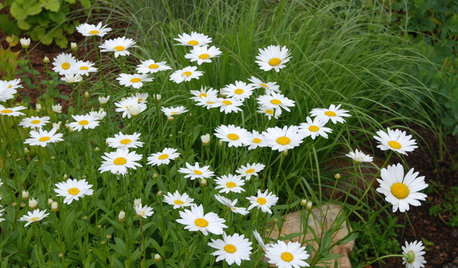
FLOWERSBest Cutting-Garden Beauties for Late Summer
Pick blooms bursting with color or in classic white for bouquets to give away or keep all to yourself
Full Story
HOUSEKEEPINGPortrait of a Reformed Terrible Housekeeper
See how a man who once stashed dirty dishes under the couch is turning over a new leaf for a neater home
Full Story
GARDENING GUIDESThe Simple Secret to Gardening Success
Learn the kinds of soil and a DIY type test to make sure you’re putting the right plant in the right place
Full Story
grubby_AZ Tucson Z9