

LED lighting in "new construction"
11 years ago
Sort by:Oldest
Comments (3)
Related Stories
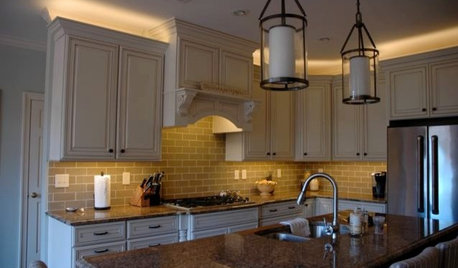
LIGHTINGThe Lowdown on High-Efficiency LED Lighting
Learn about LED tapes, ropes, pucks and more to create a flexible and energy-efficient lighting design that looks great
Full Story
LIGHTINGWhat to Know About Switching to LED Lightbulbs
If you’ve been thinking about changing over to LEDs but aren't sure how to do it and which to buy, this story is for you
Full Story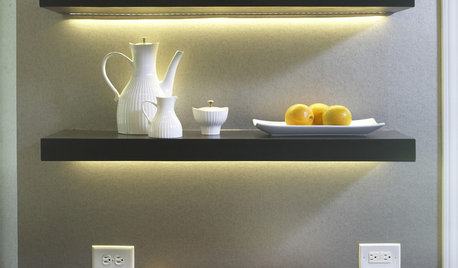
KITCHEN DESIGN12 Ways to Light Your Kitchen With LEDs
See how to use new energy-saving lights to illuminate your kitchen, light a countertop and add style, too
Full Story
BUDGETING YOUR PROJECTDesign Workshop: Is a Phased Construction Project Right for You?
Breaking up your remodel or custom home project has benefits and disadvantages. See if it’s right for you
Full Story
BUDGETING YOUR PROJECTConstruction Contracts: What Are General Conditions?
Here’s what you should know about these behind-the-scenes costs and why your contractor bills for them
Full Story
BUDGETING YOUR PROJECTConstruction Contracts: What to Know About Estimates vs. Bids
Understanding how contractors bill for services can help you keep costs down and your project on track
Full Story
HOUZZ TOURSMy Houzz: LEDs and a Living Wall Color a Minimalist Slovakian Home
Thanks to a modern overhaul, this small Central European apartment is now a testament to efficiency and thoughtful design
Full Story
TINY HOUSESAdventure Seekers Hit the Road in a Cozy School Bus Home
Wood floors, butcher block countertops, custom furnishings and LED lights make life on the road feel like just another stylish day at home
Full Story
WORKING WITH PROSYour Guide to a Smooth-Running Construction Project
Find out how to save time, money and your sanity when building new or remodeling
Full Story
KITCHEN CABINETSCabinets 101: How to Choose Construction, Materials and Style
Do you want custom, semicustom or stock cabinets? Frameless or framed construction? We review the options
Full Story
David
uscpsychoOriginal Author
Related Professionals
Little Rock Interior Designers & Decorators · North Adams Interior Designers & Decorators · Kingman Interior Designers & Decorators · Sterling Interior Designers & Decorators · Toronto Interior Designers & Decorators · Texarkana Furniture & Accessories · Charleston Furniture & Accessories · Waterbury Furniture & Accessories · Fargo Furniture & Accessories · Utica Furniture & Accessories · Monroe Furniture & Accessories · Savannah Kitchen & Bathroom Designers · Victoria Kitchen & Bathroom Designers · Hudson Kitchen & Bathroom Designers · Mission Viejo Kitchen & Bathroom DesignersDavid