Software
Houzz Logo Print
ralexandernyc

HVAC or Ductless Mini-Split System Air Conditioner?

11 years ago

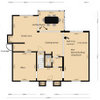
I have a two bed two bath house, 987 sq feet, open layout. Ground floor. It has no cooling system. I thought to get a Ductless Mini-Split System Air Conditioner installed rather than an HVAC cooling system, which is considerably more expensive. Could I get away with a Mini-Split? If so, which one would you recommend?

Thank you

Comments (2)

  • 8 years ago
    We put a Mitsubishi in our open plan/one floor/3 bedroom/2bath/1400 SF lake house a few years ago. The house is heated by electric baseboards so to put in regular air with some sort of duct work we thought was too expensive. It is not our primary residence, it is used primarily on weekends, but have been there during some hot spells. We opted to put the unit in the main living space directly opposite to the hallway that leads to the bedrooms/baths. If we run a box fan down the hallway along with ceiling fans in the bedrooms the temperature is perfectly acceptable at night however I don’t know if we lived there full time I would think the same. (The sales person did say we could put another unit at the other end of the house to cool the bedrooms but we chose not to do so.)
    I would have a HVAC person come out and assess your situation to see what his/her recommendation would be.
    An added plus for us is in the winter we use the unit to heat the house while we are not there at considerable less cost than the baseboards would be. (We do turn on the one outside wall bathroom baseboard just to be on the safe side.) We have had no issues with the unit and have been happy with our decision.
  • 7 years ago

    Ductless Air Conditioner vs. Central Air Conditioner: Which is Right for You


    Before weighing the pros and cons of central air conditioning and ductless air conditioning, you should have a basic grasp of what each system entails. A central air conditioning system typically has two units. The indoor unit is usually attached to the furnace, whose blower forces cooled air through ducts that stretch around the home. The outdoor unit houses a compressor and condenser.


    What does Ductless Mean?


    Ductless systems also have indoor and outdoor components, but they aren't built into existing forced-air furnaces. Outdoor units are usually mounted on outside walls, but they may also be installed farther away if necessary. Depending on the heating and cooling needs of a home, more than one outdoor unit may be needed. Similarly, there is one or more indoor air-handling unit. These units may be mounted high on walls, on ceilings or on floors. With multi-split systems, different temperatures may be set for different zones.


    Some of the most important things to consider when weighing the benefits of ductless systems over central air conditioners include:


    Flexibility - With ductless, indoor air handlers can be installed in a variety of places. You can also have them installed so that heated and cooled air is limited to specific parts of the home, which creates superior comfort and results in lower energy bills.

    Heating and Cooling - Central air conditioners can only be used to cool a home. They must be paired with furnaces or heat pumps for year-round indoor comfort. In areas where temperatures rarely or never dip below about 20 degrees Fahrenheit, ductless systems can heat homes as well as cool them. They have reversible heat pumps that move warm air in either direction.

    Zoned Comfort - With central air conditioning, setting the temperature on the thermostat adjusts the temperature for the entire home. By opting for a multi-split ductless system, you can set different temperatures in different rooms. If you don't plan to use a room on a given day, you can stop having heated or cooled air directed there. This results in significant energy savings.

    Less Energy Loss - One of the biggest drawbacks of a standard central air conditioning system is the fact that cooled air has to travel through ducts to get where it needs to go. Along the way, a lot of it seeps out and is lost in unconditioned parts of the home. This can result in energy losses of up to 30 percent. Your ductwork is left out of the equation with a ductless system, so the issue of leaks is eliminated entirely.

    Simple Installation - As long as it's performed by an authorized and experienced contractor, ductless air conditioning installation is a snap. Most of the legwork has to be done prior to installation. For example, technicians must determine the appropriate places to mount indoor air handlers and perform load calculations to ensure that the equipment that's used has the right capacity.

    Design - One thing about ductless systems that sometimes gives people pause is the fact that it's necessary to have indoor units installed to deliver cooled and heated air to specific rooms. In other words, equipment isn't just tucked away down in the basement. However, high-quality ductless systems have compact, low-profile indoor units that do little to detract from interior decor.