

Echeveria Help
11 years ago
Featured Answer
Sort by:Oldest
Comments (12)
 11 years ago
 11 years ago
Related Professionals
Hilton Head Island Landscape Architects & Landscape Designers · Knoxville Landscape Architects & Landscape Designers · San Antonio Landscape Architects & Landscape Designers · Altoona Landscape Architects & Landscape Designers · Magnolia Landscape Contractors · Fargo Landscape Contractors · Concord Landscape Contractors · Las Cruces Landscape Contractors · Edmonton Landscape Contractors · Gainesville General Contractors · Portsmouth General Contractors · Saint Cloud General Contractors · Wheeling General Contractors · Concord General Contractors · Saint George General Contractors- 11 years ago
- 11 years ago
- 11 years agolast modified: 11 years ago
 11 years ago
- 11 years agolast modified: 11 years ago
- 11 years agolast modified: 11 years ago
- 11 years agolast modified: 11 years ago
- 11 years agolast modified: 11 years ago
- 11 years agolast modified: 11 years ago



Related Stories
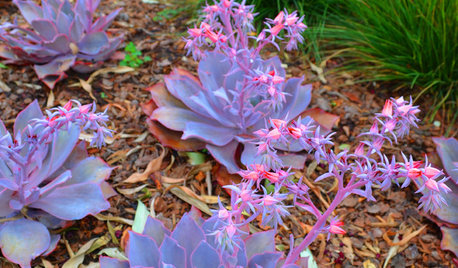
GARDENING GUIDESGreat Design Plants: Stars of the Succulent Garden
Amazing colors, exuberant blooms, low maintenance ... is it any wonder Echeveria is so popular?
Full Story
INSPIRING GARDENSInside Houzz: A Waterfront Property Ditches the Grass for a Garden
New drought-tolerant plantings and outdoor gathering spaces help this California backyard take in the view without wasting space or water
Full Story
GROUND COVERSGround Force: 10 Top Ground Covers for Your Garden
Protect your soil from weeds and drought this summer with a living mulch of ground covers
Full Story
SAVING WATERHouzz Call: Are You Letting Go of Your Lawn?
Many facing a drought are swapping turf for less thirsty plantings. If you’re one of them, we’d like to hear about it
Full Story
HOUSEPLANTS8 Essentials for Healthy Indoor Plants
Houseplants add so much to our homes — and can thrive when grown in the right conditions. Keep these tips in mind
Full Story
CONTAINER GARDENS3 Steps to Creating Quick, Easy and Colorful Succulent Containers
Take a bright container, add a colorful succulent or two and have a professional, summery design in minutes
Full Story
GARDENING GUIDESA Beginner’s Guide to Growing Succulents
Their easy-care reputation is well-deserved, but a little TLC will turn succulents into star plants
Full Story
SUCCULENTSGrow a Garden of Succulents for Easy Beauty
Low-water plants in a wide range of colors, shapes and sizes? Sign us up — and check out our faves here
Full Story
GARDENING AND LANDSCAPINGHouzz Call: Show Us Your Great Patio, Deck or Rooftop!
Give your patio a chance at the spotlight as we head outdoors for a new summer ideabook series
Full Story
PLANTING IDEAS7 Ways to Use Drifts and Masses In Your Garden
Whether in formal or natural landscapes, grasses or succulents planted en masse elevate the garden
Full Story




bikerdoc5968 Z6 SE MIOriginal Author