

garden pH
11 years ago
Sort by:Oldest
Comments (5)
Related Stories
GARDENING GUIDESGreat Design Plant: Knock Out Roses
As glorious as their high-maintenance kin for a fraction of the work, Knock Out roses make even beginners look like garden stars
Full Story
GARDENING GUIDESGreat Design Plant: Mertensia Virginica
Virginia bluebells provides relief from winter with a big display of color
Full Story
GARDENING GUIDESGreat Design Plant: Lindera Benzoin Offers 3-Season Interest
Support wildlife and enjoy the aromatic leaves of this U.S. native also known as spicebush, Benjamin bush and spicewood
Full Story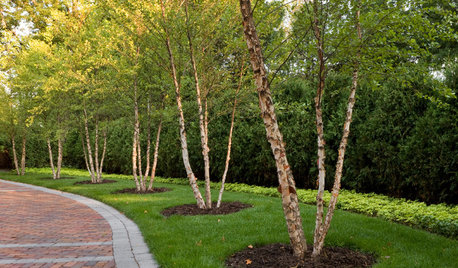
LANDSCAPE DESIGNGreat Design Plant: River Birch
Pick this rugged native tree for its intriguing peeling bark, soil adaptability or leaves that bring dappled shade to a garden
Full Story
TREESGreat Design Plant: Nyssa Sylvatica
The black gum tree tolerates moist soil and provides many years of beautiful foliage, from summer to fall
Full Story
YELLOW FLOWERSGreat Design Plant: Winter Jasmine Gladdens Snowy Gardens
Sunny yellow flowers defy the frost, bringing cheer to the garden on gray days
Full Story
GARDENING GUIDESGrow a Beautiful Garden in Alkaline Soil
Got alkaline soil? Learn how to manage it and the many beautiful plants that will thrive in this ‘sweet’ soil
Full Story
SPRING GARDENINGHow to Grow a Rose Garden in Pots
Everything can come up roses, even without a plot of soil in sight. This step-by-step guide to growing roses in containers shows you how
Full Story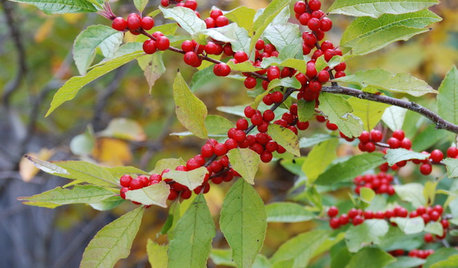
GARDENING GUIDESGreat Design Plant: Winterberry Rouses Frosty Gardens
Energize dormant winter landscapes with this shrub's brilliant berries — and do right by hungry birds too
Full Story
wayne_5 zone 6a Central Indiana
kimmq
Related Professionals
Madison Landscape Architects & Landscape Designers · Columbia Landscape Architects & Landscape Designers · Plymouth Landscape Architects & Landscape Designers · Buffalo Landscape Architects & Landscape Designers · Jamestown Landscape Architects & Landscape Designers · Seattle Landscape Architects & Landscape Designers · Decatur Landscape Contractors · Jacksonville Landscape Contractors · Rolla Landscape Contractors · College Station Landscape Contractors · Toronto Landscape Contractors · Evansville Stone, Pavers & Concrete · Lafayette Stone, Pavers & Concrete · Atlantic City Stone, Pavers & Concrete · Altoona Stone, Pavers & ConcretedbbobOriginal Author
grubby_AZ Tucson Z9
toxcrusadr