Software
Houzz Logo Print
bikerdoc5968

Echeveria Rot

11 years ago
last modified: 11 years ago
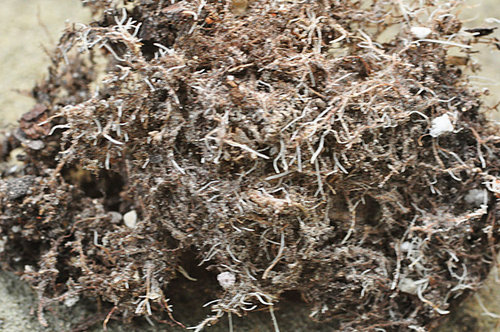
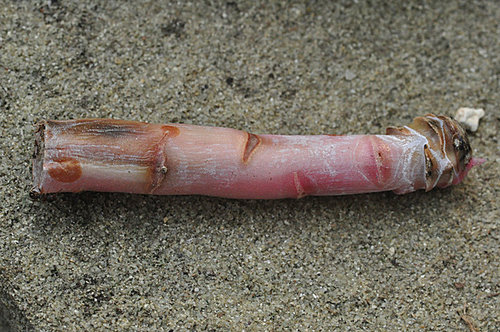
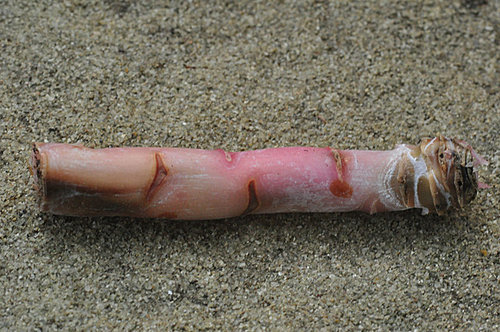
This is the second one of these( Echeveria 'Moondust') that has died in exactly the same manner. When I saw the first one, I was shocked to see what had happened. I have been SO VERY carful with this hybrid. The stem rots just below the head and at the base. The roots appear to be healthy. What am I doing wrong?!?!

You can see the dark discoloration at the cut end and the tip which would be the rosette.


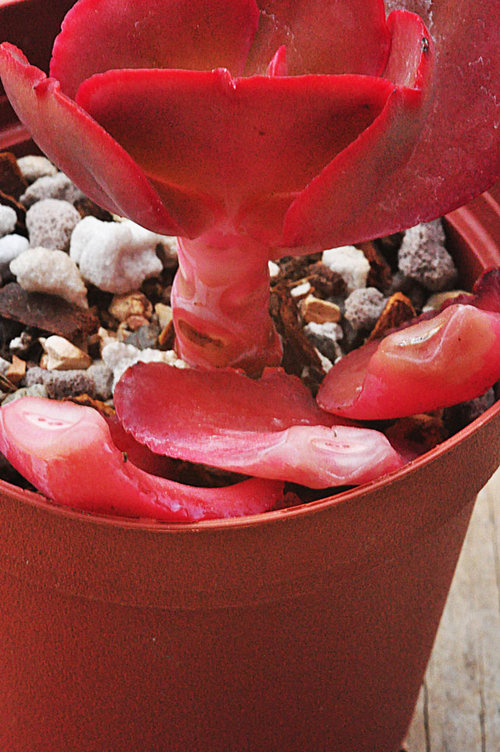
Another question... here is, what I believe to be, a healthy Echeveria. None of my Echeveria are doing much growing this year which is VERY troublesome to me. Leaves are just falling off. This particular plant has very hard leaves and a normal stem. The leaves pictured just fell off not five minutes ago before I took this picture; they are firm, also. So what's with this??????


Comments (10)

  • 11 years ago

    Howard

    Sorry this is happening; if you can't get them right - who can?

    What a color on the last one! You say none are growing this year - is the weather/your growing conditions different than last year? To me, they all look fantastic - but I believe what you say.

    These are all echeverias am not familiar with at all, I hope someone will have advice...

  • 11 years ago

    Hi Howard. Though I cant really help, I DEFINATLEY can relate and sympathize. Im sooo sorry. I lost one of my Echeveria opalmoon to rot about a week ago.........still have no clue why. I do have SOME Echeveria growing, but they seem to be more REPLACING what theyve lost or what theyre still losing. Same thing most leaves are normal, though if you remember correctly, i did post a few months ago about noticing some were puckered where they were attached at the stem.......hope this helps you in any way, and pkease if you find out ANYTHING, please let me know.

  • 11 years ago

    Howard, sorry to hear about losing your plants to rot. I guess like everyone here, we all deal with the same battle and eventually lose some.

    I have a couple of possible explanations (perhaps you had already known them, but I'm inclined to share anyway):

    1) Overheated Roots - We all do know that echeverias are primarily summer growers and winter dormant, but after researching quite abit, not all but some variable species (especially those that are habitual to the high arid lands) of echeverias shuts down when the temperature gets too warm (>90-100), and when the plant feels that its roots are being threatened by heat. Especially those grown in containers do not provide the adequate soil insulation from overheating as compared to those grown in ground. Many gardeners make the mistake of continuing watering, when the plant goes into heat dormancy and the stagnant water tend to rot stems in the process.

    In your case, I know you place your sensitive plants in a make shift green house with some shade, and your the roots in your picture are healthily white, so root burnt is definitely out of the question.

    But one of the symptoms of excessive leaves drop is the result of root burning.. It more than often when the roots are burnt or the plants stop taking in water, the signs of overwatering stress sets in.

    You can read more about what I wrote on burnts roots on Deva's Echeveria Blue Sky post here


    2) Virus, Disease, Harmful Bacteria Pathogens

    I believe these invaders are the inevitable conditions of life, such pathogens can live from within your soil to the very finger tip you use to touch your plants. All it takes is 1 single pathogen cell, and the ideal condition for it to multiply, Once your plant has been invaded, rot sets in very quickly killing your plant before you know it's damage.

    I'm sure this thread will be helpful to you about these unfortunate but deadly scenario.

    http://www.xericworld.com/forums/showthread.php?t=2225

    So far, I'm reading into symbiosis my local hydrophobic garden is recommending me to use to combat these fungi and plant harmful pathogens.

    3) Fertilizing Burnt

    Roots are always the begin all end all scenario. For me, I always get greedy or lazy and water all my plants with the same dosage of fertilized water, not realizing that sometimes it's better to leave transitioning plants or sensitive alone would do them more good than watering them with food if they are not ready can actually kill them. Once roots are suffocated with the improper ph, or too much fertilizer, moisture are actually sucked out from the roots, instead of hydrating them.

    But I'm sure with your many years of experience growing echeverias, this shouldn't be the case.

    Then again, when did you repot this plant? Where was it acquired from? Perhaps the plant was still adapting to a new environment? I find the task of forcing an echeverias (especially rare ones) to adapt to a new environment is an extremely difficult task. Many die before I even have a chance to understand them. I've learnt now to only water the picky ones from dunking the pot, so moisture almost never touches the stem to allow rot to take place.

    I'm sorry maybe I can't offer much help, but perhaps maybe more can share their experiences in growing the fussier echeverias.

    -Bernard

  • 11 years ago

    Hi Howard,

    Do you have the parents of this particular Echeveria?

    Everything with Echeveria pale or Echeveria lilicene (and maybe there are more) in it needs more shade than the more regular ones. That keeps them in better shape and leaves will not fall of that fast.

    Harry

  • 11 years ago

    Thanks all. Your comments are very important and appropriate. Just because I've been growing these for a few years doesn't mean much. There is ALWAYS room for intellectual growth.

    I have been able to save many leaves from 'Moondust' that I think are viable and will try to root. Going to try the leaves also from 'Ruth Jane'... can't hurt!

    Harry, the last one is a Dick Wright hybrid, 'Ruth Jane'. I don't have a clue as to parentage. The first one is ISI 2015-25: Seed parent E. laui pollen parent E. lilacina.

  • 11 years ago

    Howard, that last remark could be the clue: pale and lilicene don't get much sun here and a bit more water than the others. They do get light however, because the like and need that. The hard leaves are a bit misleading; it gives the impression of toughness, but they are not.

    Harry

  • 11 years ago

    So Harry you're saying you grow these with less sun and more water during their growing season? I was under the impression that, because of their glaucous leaves they needed more sun???? Thanks

  • 11 years ago

    Less heat from a later day sun or dimmer cooler day long sun ?

  • 11 years ago

    Sorry nomen for my dim brain but I'm not clear on your query.

  • 11 years ago

    Howard, yes more out of the sun and ofcourse very carefull with the watering.

    Here is my E pallida (a very old one from a few years ago) (and not pale as I wrote earlier). This one got never sun but was in full light and did very well and flowered all the same.


    and here's a E 'Margrit' that I also keep out of the sun


    My lilicenes are in the greenhouse which is covered by a large vine to keep the full sun out in the heat of the summerday.

    Maybe try a year with some extra plants you have and decide afterwards.

    greets

    Harry

Sponsored
J.Holderby - Renovations
Average rating: 5 out of 5 stars4 Reviews
Franklin County's Leading General Contractors - 2X Best of Houzz!