

Do Hydrangeas need to be established before blooming?
11 years ago
Sort by:Oldest
Comments (4)

Related Stories
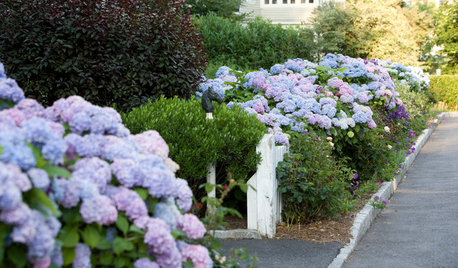
FLOWERSWhy You Should Give Hydrangeas a Place in Your Yard
The exuberant mop-headed beauties evoke dreams of an endless summer by the sea
Full Story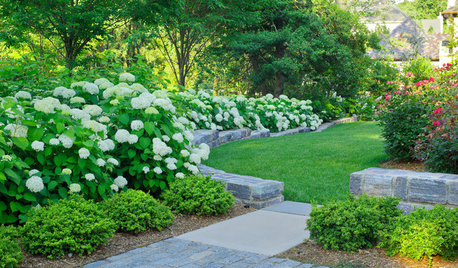
FLOWERS AND PLANTSHydrangea Arborescens Illuminates Garden Borders and Paths
This long-blooming eastern North American native shrub finds a home in landscapes around the world
Full Story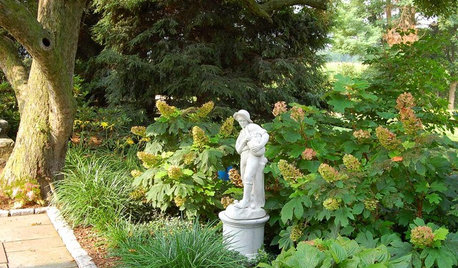
GARDENING GUIDESGreat Design Plant: Oakleaf Hydrangea
Consider this full, flowering shrub for year-round beauty in the garden as you plan your fall plantings
Full Story
GARDENING GUIDESTop 12 Summer-Blooming Perennials for Deer-Resistant Drama
Can you have garden color, fragrance and exciting foliage with hungry deer afoot? These beauties say yes
Full Story
FLOWERS AND PLANTSPlant Baptisia Bracteata for Blooms Pollinators Will Love
Longbract wild indigo is great in dry soil, and its spring flowers attract butterflies and bumblebees
Full Story
GARDENING GUIDESGreat Design Plant: Ceanothus Pleases With Nectar and Fragrant Blooms
West Coast natives: The blue flowers of drought-tolerant ceanothus draw the eye and help support local wildlife too
Full Story
GARDENING FOR BUTTERFLIESGreat Design Plant: Aromatic Aster Keeps on Blooming
Tough as nails, drought loving, a deep fall bloomer ... this aster is a champ in sunny gardens
Full Story
MOST POPULARSpring Gardens Are Blooming — Here’s What to Do in April
Get the guide you need for gardening in your U.S. region, with tasks, climate-appropriate plantings and more
Full Story
FLOWERS AND PLANTSBlanketflower’s Yellow Blooms Brighten Up Summer and Fall Gardens
Gaillardia aristata welcomes wildlife, shrugs off drought and poor soils, and can help restore grasslands
Full Story
GARDENING GUIDESMake Sure You Read This Before Buying New Plants
Follow these 10 plant-selection tips to avoid buyer’s remorse
Full Story
gardengal48 (PNW Z8/9)
October_Gardens
Related Professionals
Joplin Landscape Architects & Landscape Designers · Fayetteville Landscape Architects & Landscape Designers · Columbia Landscape Architects & Landscape Designers · Myrtle Beach Landscape Architects & Landscape Designers · New Braunfels Landscape Architects & Landscape Designers · Indianapolis Landscape Contractors · Vicksburg Landscape Contractors · Charleston Landscape Contractors · Las Cruces Landscape Contractors · Bozeman Landscape Contractors · Elizabethtown Design-Build Firms · Tupelo Design-Build Firms · Fort Worth Design-Build Firms · Roswell Design-Build Firms · Toronto Design-Build FirmslovetogardenOriginal Author
October_Gardens