

Built to be Energy Efficient
11 years ago
Comment

Related Stories
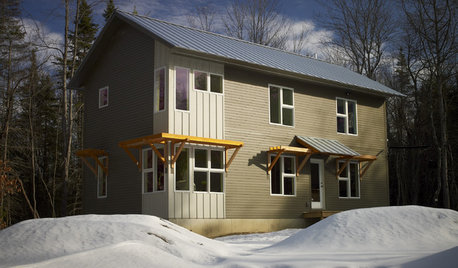
HOUZZ TOURSHouzz Tour: Energy-Efficient, 'Lean' House in Maine
Sustainable architecture and amazing light draw an environmentally conscious family to a new home
Full Story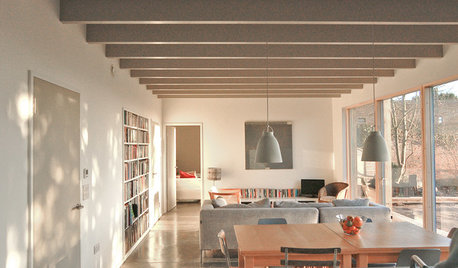
MODERN STYLEHouzz Tour: Hilltop Home With a View to Energy Efficiency
A contemporary light-filled English home makes the most of its location
Full Story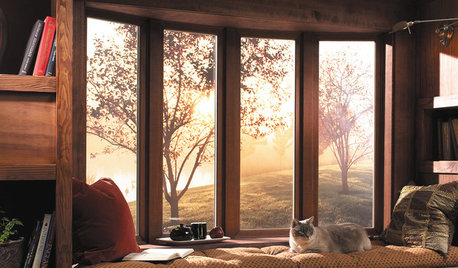
GREAT HOME PROJECTSHow to Install Energy-Efficient Windows
Learn what Energy Star ratings mean, what special license your contractor should have, whether permits are required and more
Full Story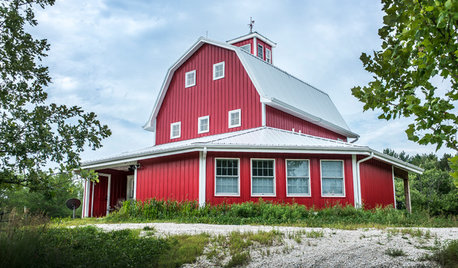
BARN HOMESHouzz Tour: An Energy-Efficient Barn Graces the Nebraska Landscape
Passive-house technologies and a rain-harvesting and greywater system conserve natural resources in this weekend country home
Full Story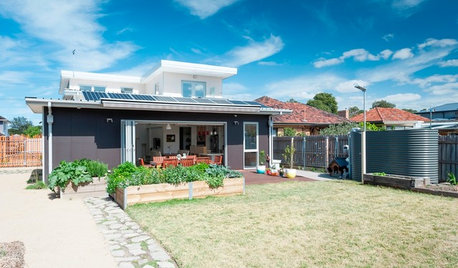
GREEN BUILDINGHouzz Tour: An Energy-Efficient Home for 3 Generations
This Australian house takes sustainability and accessibility to a new level
Full Story
CONTEMPORARY HOMESHouzz Tour: Toasty Warm and Energy-Efficient in Utah Ski Country
An architect builds his own first home with passive house standards at the forefront
Full Story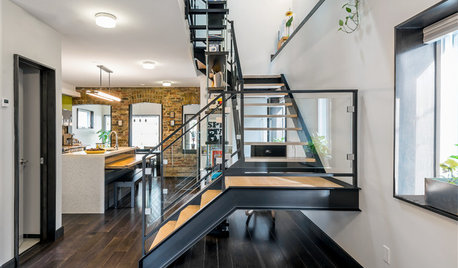
MODERN HOMESMy Houzz: Modern Exposure and Energy Efficiency in Toronto
A Canadian architect transforms an outdated bungalow into a thoroughly modern family home
Full Story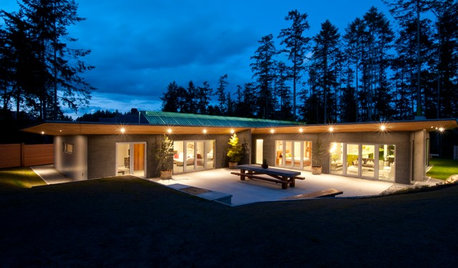
GREEN BUILDINGHouzz Tour: See a Concrete House With a $0 Energy Bill
Passive House principles and universal design elements result in a home that’ll work efficiently for the long haul
Full Story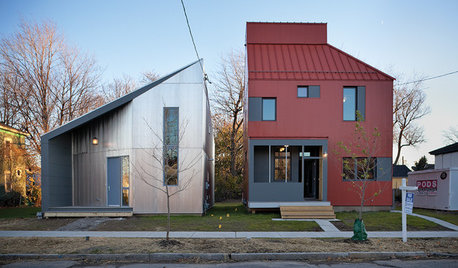
ARCHITECTUREEnergy-Saving Ideas From 3 Affordable Green-Built Houses
Get lessons in budget-friendly green building from design competition winners in New York state
Full Story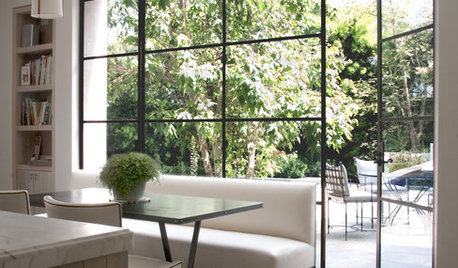
REMODELING GUIDESEnergy-Efficient Windows: Decipher the Ratings
To choose the right energy-efficient windows for your home, first you need to know what the labels mean
Full Story

Related Professionals
Huntsville Bathroom Remodelers · Concord Bathroom Remodelers · Beaumont Bathroom Remodelers · Plymouth Bathroom Remodelers · Winona Bathroom Remodelers · San Bernardino Bathroom Remodelers · Birmingham General Contractors · Indianapolis General Contractors · Hattiesburg General Contractors · Natchez General Contractors · Beckley General Contractors · Spokane General Contractors · Amherstburg General Contractors · Spring Interior Designers & Decorators · Lake Havasu City Interior Designers & Decorators