Software
Houzz Logo Print
joe_fristoe

Few Nyssa Sylvatica questions

10 years ago
last modified: 10 years ago

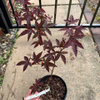
I picked up some clearance species, 3 gallon and 6ft tall for $15 each. I had planned on planting them out back or giving them to my friend with 80 acres, bust leaning towards at least one out back. I've read that most are polygamo-dioecious, so if it was a male, I'd have no fruit. The color looked great on two, possible all three (think one was multicolored).

I understand they ing in all sorts of birds and pollinators and are a well behaved tree in the yard/landscape. You may already know I have many young pines in the backyard and since they are young, I'd imagine a few would need to be removed due to branch crowding (when the time came). If they were older and self limbed, it wouldn't be an issue and would've been the ideal situation.

pollination, that is a big concern for me, since I want to attract birds. I figured I could either plant three out back and dig one out if I had two males, etc. Regarding pollination, I'm guessing one out front and two out back wouldn't work and could possibly do a severe disservice if the male was out front (100-130 feet from the females), due to pollination distance and crossing fingers for bees to visit all. I do have a farmer a few hundred yards away, with a bee hive and understand bees really love these trees, also not sure how far from the hive they would go, especially when the farmer has a small crop in front of his barn.

Cultivars - I am in the humid South of Alabama, about 1 mile from Wheeler National Wildlife Refuge and the Tennessee River and wasn't sure if an expensive cultivar (Red Rage) was worth purchasing. I was told it was resistant to leaf spot, but heard contrary in a real world setting, as well as folks having problems transplanting them. The only local cultivars I've seen are 15 gallon, with the extremely unique Zydeco Twist going for $220. I'd rather not buy a large one, due to longer establishment and the initial cost.

Thanks for reading and maybe you can shed some light on the subject for me. If only these things were full of perfect flowers...

Comments (10)

  • 10 years ago

    bird use trees.. for a variety of reasons beyond food ...


    not everything you plant has to be a food source ...


    sometimes i think .. in your box.. you are entirely too focused on one aspect ...


    in other words... if you like a plant for reasons other than food production... use it ...


    ken

  • 10 years ago
    last modified: 10 years ago

    Yes, I think you are over-thinking it.

    The birds will love them because they are a tree and the more trees you have, the more the birds will like it.

    You see fruit on Nyssa sylvatica even when you don't see where the male tree is that pollinates the female.

    My main concern is with the roots of the tree. I don't like big trees in pots. Ever. I've got a thing about it. I wonder what its root system is like. Remember, if it's curled inside the pot and is left curled, it will never uncurl. It just keeps on going the way it was always going.

  • 10 years ago
    last modified: 10 years ago

    Nyssa sylvatica has only a minimum age of 5-years old to begin sexual reproduction (at highly irregular intervals see chart.) Don't concern yourself... just get them planted and move/remove or replace whatever is necessary for your plans.

    Best regards,

    Dax


  • 10 years ago

    I know they have Thuja occidentallis really wrong-o! My seedlings are 8-years old and have been producing cones for several years.

    Dax

  • 10 years ago

    Ken - You're right in that I'm concerned about the food, maybe a bit too focused. They don't just eat fruit, seeds, etc., but also insects, which come with plants in general.


    tete - The trunks are thin and my understanding is the Nyssa Sylvatica will grow a deep taproot. I believe the problem, if root bound, can be handled when planting and some TLC the first year.


    No no worries about black spot on the species in humid climates? I guess it is more of an asthetic thing any way.


    There doesn't seem to be much concern about the pollination distance, so that's nice to hear. I understand a female will have atleast some fruit regardless. Just trying to maximize, if it is going to be there, it would be nice to have fruit. Man oh man, those things have some fantastic fall color!

  • 10 years ago

    Lucky_ glad I only caught a glance at Thuja occidentallis then! lol

    Anyway, stuff happens.

    Dax

  • 10 years ago

    All concerns about potted stock notwithstanding, you are on the right path to work with species Nyssa rather than cultivars. If cultivars, you would then have to ascertain proper flowering times for male/female to ensure pollination. By working with species-run, no such concerns. Plus, the benefits of genetic diversity. Bravo-fix what you have to in roots and plant away!

    +om

  • 10 years ago
    Tom - Thanks for the response and glad you mentioned the flowering of cultivars, as I had no idea and will be very helpful. The more you folks share with me the more excited I get and thirst to learn more. There are so many things you learn, that can be applied to horticulture in general. I know to look out for flowering times with things like winterberries, viburnum, but never would've thought about Nyssa species vs. cultivar...very handy!

    I truly appreciate everyone's input and have learned so much since joining GW. You folks are truly awesome!

    In response to the WDE above, ROLL TIDE!!!
  • 10 years ago

    One thing that's been thrown around is that for "whatever reasons" most Nyssa sylvatica in commerce are from the lower regions of their native habitat. I don't know if that's true with the cultivars being sold but... the vast majority (if not all) of the seedling trees being sold are grown from southern origin seeds.

    It won't affect you Bama_Joe, but Northern seed should be what is being used to grow seedlings.

    Just throwing it out there as I say.

    Dax