Software
Houzz Logo Print
mentha_101

Dioscorea elephantipes help

10 years ago
last modified: 10 years ago

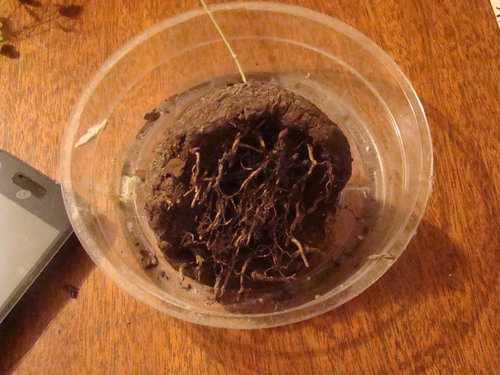
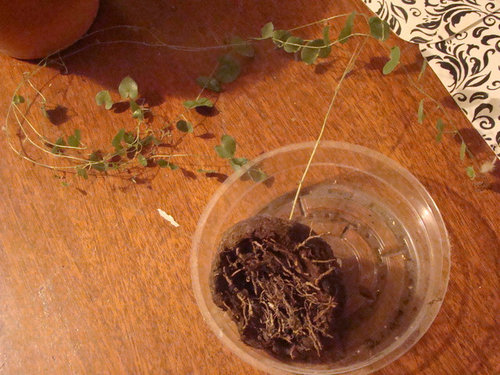
I've had this plant for almost three years. It went from California with me to Tennessee and had to stay in storage bare root for about 2 months before I could pull it out. It hasn't really recovered from the trip. The edges of the caudex are soft and it has no roots that are alive. I suspect it's suffering from under watering. How do I plump it up and get the roots to start growing again without rotting it out?

Its vine has not died down since March or so but it isn't really doing anything either. It was stuck in a dark corner in my living room, forgotten, until a few weeks ago when I realized it was still alive.

Comments (3)

  • 10 years ago

    not to be rude, but I really find it hard to believe that nobody knows how to help these recover.

  • 10 years ago
    last modified: 10 years ago

    Mentha, this plant has always been in the top of my wishlist, but I could never come down to the point to justify paying $30-50 for a seedling plant and also it's not very common to find such bulb plants in the east coast. Perhaps it's on the rarer side on people's planting list, so naturally it might take a while for someone that had grown this plant to leave a comment on your thread.

    There a quite a few questions on my end here:

    1) How did your plant's bulb reduce to such a state? It looks as if someone chopped it into half. Is there more pics you can show of the bulb?

    A healthy Dioscorea's bulb is extremely thick with bark like features protecting the stem, like the following picture as shown below.

    2) You said there is "no active roots alive", I do not understand what do you mean by saying this? Are those frayed vines the roots you are referring to?

    If you have not potted the plant for week-months according to your description, how do you expect the plant to thrive and have new roots growing? Your plant is probably exhausting its remaining energy from its bulb to keep itself alive.

    You need to assess for rot, usually brown mushy and decaying matter feeding on your plant. At this point I can't assess more due to the limited information and pictures provided.

    If the plant is rot free, pot the poor thing in a new well draining mix. If you want faster growth, plant the entire bulb completely within the soil, else you can pot with some of the bulb exposed, but you will get a slower growth rate in this sense.

  • 10 years ago

    Dioscorea is a dime a dozen in California. Granted they are a bit pricy, I have spent way more than what I paid for this guy for some Crassula. They are no more expensive than a nice Sansieveria, but since I've moved I know I will have to mail order it if I do lose this plant. The pictures are of the bottom of the plant, you can see the dead roots. There are no live roots. I just flipped the plant over for the picture. It has been in a pot of soil since March. It shot up the stem in April and has stayed that way since. I have followed all the directions I was given for the plant and when I accidentally tilted the pot a few days ago, it rolled out. That is how I knew to look for rot and such.The top of the plant looks fine. The only time it was bare root was while it was dormant otherwise it has been in soil. All of my plants were unpotted for my trip to keep soil borne nasties from traveling with me, to follow the law (plants must be bare root to travel through a lot of states unless the plant is from a certified nursery), and to keep the weight down in the moving truck. This is one of the few plants that complained although I thought it would not since it was in fact dormant while on our trip.