

Dehumidifier in crawl space
10 years ago
last modified: 10 years ago
Sort by:Oldest
Comments (3)
Related Stories
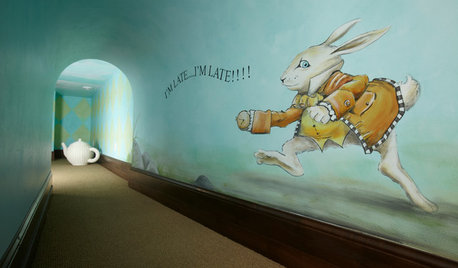
FUN HOUZZSpace We Love: Down the Rabbit Hole
We're dying to crawl through this secret Alice-in-Wonderland tunnel, aren't you?
Full Story
GREAT HOME PROJECTSPower to the People: Outlets Right Where You Want Them
No more crawling and craning. With outlets in furniture, drawers and cabinets, access to power has never been easier
Full Story
LANDSCAPE DESIGNThe Weepers and the Creepers: 10 Intriguing Trees for Your Garden
Bring something a little different to your landscape with a tree that dives, twists or crawls
Full Story
KIDS’ SPACES15 Tips for Small-Space Living With Baby
Keep your wee one's stuff under control and your nerves unfrazzled with these space-saving storage and baby-gear ideas
Full Story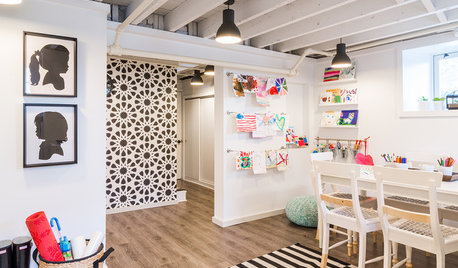
BASEMENTSBasement of the Week: A Creative Space for Kids and Storage for All
With mudroom organizers, laundry and a well-organized space for crafts, this basement puts a Massachusetts home in balance
Full Story
SMALL SPACES12 Ways to Stretch Your Space
Borrow tips and tricks from these space-savvy homes
Full Story
DENS AND LIBRARIES20 Book Lover’s Spaces That Will Make You Want to Read
Borrow these ideas from spaces designed around a love of books
Full Story
LAUNDRY ROOMSHouzz TV: Mother of 6 Rocks Her Laundry Space
You may have read the story — now see in action the clever DIY solutions that make this laundry room an organizational heaven
Full Story
STORAGE10 Ways to Get More Storage Out of Your Space
Just when you think you can’t possibly fit all your stuff, these storage ideas come to the rescue
Full Story

worthy
Leeor Morris
Related Professionals
Lake City General Contractors · Woodward General Contractors · Saginaw General Contractors · Bemidji General Contractors · Wausau General Contractors · Reno General Contractors · Redding General Contractors · St. Louis Interior Designers & Decorators · Poughkeepsie Interior Designers & Decorators · Hudson Interior Designers & Decorators · Montgomery Cabinets & Cabinetry · Little Rock Cabinets & Cabinetry · Dallas Cabinets & Cabinetry · Sioux City Cabinets & Cabinetry · Roswell Cabinets & Cabinetrydgeist