Software
Houzz Logo Print
thebmill

Organic Lawn Care Help?

10 years ago
I'm a new home owner taking on a lawn for the first time. It's a pretty small lawn. And I'm in California. Zip Code: 90041

Anyways, there's a few problem areas in the lawn that I would love advice on. I broke it down into 3 parts and then at the bottom came up with a solution. But, I have no idea if I'm way off. I'd like to do this all organically.

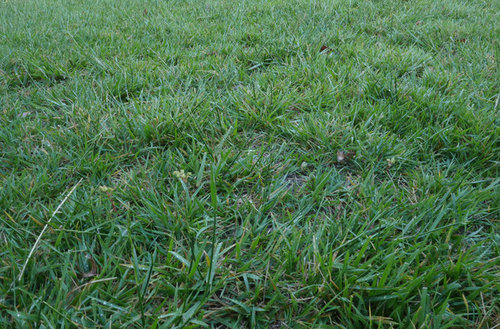
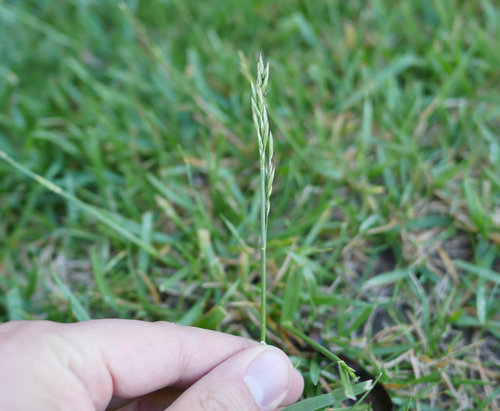
1.) While most of the lawn is at a certain height right now, there are new "super strong" grass popping up all around. They look like this and are thicker and harder to cut than the grass around it. Is this a weed? I have a feeling when I go to cut this with my manual reel mower that I might have some trouble getting them to cut.


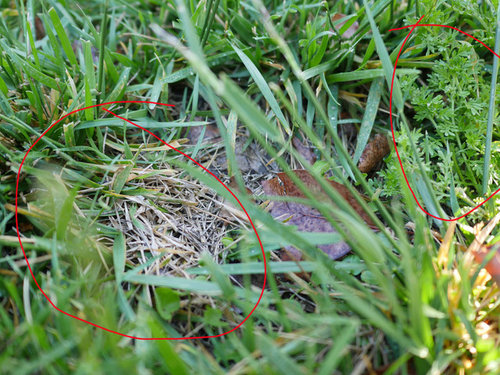
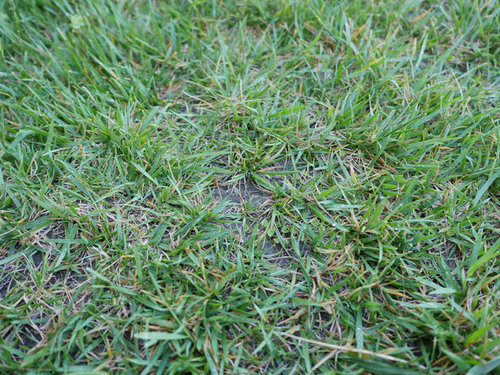
2.) There are some light brown patches and some areas where no grass is growing:


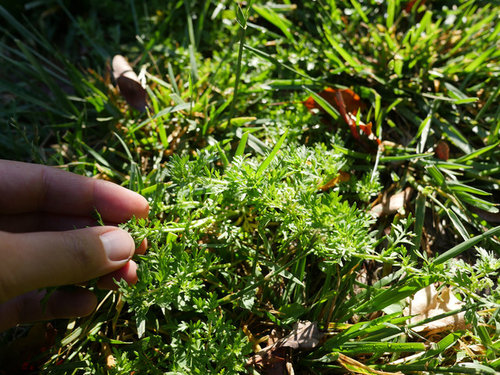
3.) And last but not least, these types of weeds or crab grass? Thankfully not a lot of these.

SOLUTION?

Here's the plan I came up with:
1. Use the Manual Reel Mower to cut the Lawn.
2. If those big weed looking things are trouble, use the ol electric weed-whacker.
3. Use a Weeder to get all the dandelion type weeds out of the lawn. With this: http://www.planetnatural.com/product/dandelion-weeder/ 
4. Use an aerator on the whole lawn. Like these: http://www.planetnatural.com/product/lawn-aerator-sandals/
5. Use "lawn restore" from Ringer. (Side question: do I need to purchase a spreader or something for this? We don't have a ton of room in the garage, so if we do it has to be small/portable.) http://www.planetnatural.com/product/ringer-lawn-restore/ 
6. I believe "lawn restore" requires a 3 day process of watering, etc.
7. Once that process is done, go and spot treat any problem areas (crabgrass and other weeds) with this Crabgrass Killer. http://www.planetnatural.com/product/crabgrass-killer/
8. From there I guess I would repeat this 4 times a year for each season?

Comments (3)

  • 10 years ago

    Couple of things to consider: 1) although possibly better than nothing, aerating sandals are virtually a waste of time. They just do not create large enough or deep enough openings to offset compaction. 2) studies have shown that the efficacy of "organic" herbicides is very low, especially with respect to lawn weed control and that would include the cinnamon bark solution in the crabgrass killer. Also, there doesn't seem to be an ability for these types of products to be very selective with what they do affect so you can expect damage from them to your lawn as well. 3) the Restore is just an organic lawn fertilizer, of which there are numerous brands. Because these organic ferts are slow acting, you only need to apply a couple times of year.

    A better method: 1) remove all the weeds you can manage manually, including the crabgrass.

    2) Rent a core aerator and leave the plugs exposed to break down. Top dress with a 1/2 - 1" layer of screened compost.

    3) Overseed then topdress again with a thin layer of screened compost or good quality garden soil and keep moist until seed germinates. Mow high and often - taller, healthy lawns are able to outcompete weeds and weed grasses easier.

    4) skip any fertilizing until early fall as watering after fertilizing is pretty much a requirement, organic or not - the compost will provide nutrients in the meantime and you won't be contributing to water shortage issues during the dry summer months.

    And finally, considering you are located in the greater LA area in the midst of an unprecedented drought, I wonder at the wisdom of maintaining even a small lawn in your locale. Maybe it makes more sense to focus your attentions on replacing water hungry turf grasses with a more drought tolerant choice altogether.

  • 10 years ago

    Start by taking a good in depth look at the soil. Even a lawn needs a good healthy soil to grow in. You should know what the soil pH is (most all nutrients are most readily available wit the soil pH in the 6.0 to 7.0 range) and whether the major nutrients are in balance.
    These simple soil tests mayu also be of some help.

    1) Soil test for organic
    material. From that soil sample put enough of the rest to make a 4 inch level in
    a clear 1 quart jar, with a tight fitting lid. Fill that jar with water and
    replace the lid, tightly. Shake the jar vigorously and then let it stand for 24
    hours. Your soil will settle out according to soil particle size and weight.
    For example, a good loam will have about 1-3/4 inch (about 45%) of sand on the
    bottom. about 1 inch (about 25%) of silt next, about 1 inch (25%) of clay above
    that, and about 1/4 inch (about 5%) of organic matter on the top.

    2) Drainage. Dig a hole
    1 foot square and 1 foot deep and fill that with water. After that water drains
    away refill the hole with more water and time how long it takes that to drain
    away. Anything less than 2 hours and your soil drains’ too quickly and needs
    more organic matter to slow that drainage down. Anything over 6 hours and the
    soil drains too slowly and needs lots of organic matter to speed it up.

    3) Tilth. Take a handful
    of your slightly damp soil and squeeze it tightly. When the pressure is
    released the soil should hold together in that clump, but when poked with a
    finger that clump should fall apart.

    4) Smell. What does your
    soil smell like? A pleasant, rich earthy odor? Putrid, offensive, repugnant
    odor? The more organic matter in your soil the more active the soil bacteria
    will be and the nicer your soil will smell, to a point. Too much organic matter
    can be bad as well.

    5) Life. How many
    earthworms per shovel full were there? 5 or more indicates a pretty healthy soil. Fewer than 5,
    according to the Natural Resources Conservation Service, indicates a soil that
    is not healthy.

    Your soil is most likely clay and those sandal aerators, as has already been stated, simply will not do the what you expect them too. Mow the grass as high as possible and put the clippings right back where they came from, the lawn. Those clippings can supply up to 1/2 the annual nutrients that lawn will need.

    Rather than Lawn Restore I would simply spread compost, about 1/4 inch thick each time. The compost will do more to build up organic matter in the soil than would the Ringers. I'd spend more time working on the soil and not worry much about any weeds this year.

    kimmq is kiommsr

  • 10 years ago
    last modified: 10 years ago

    All gardening is local. And I can only speak to how I maintain my lawn here in So Cal.

    • You've got some homework to do. Get to know The UC Guide to Healthy Lawns site.
    • Know your grass. What kind of lawn do you have? I have a blend of primarily Bermuda, with some St. Augustine, and various fescue. It's definitely not a mono-culture.
    • Use a mulching reel mower. I've been using the Fiskars 18" for years and it really gives a nice cut. The mulching helps to keep watering and fertilizing to a minimum.
    • Water deeply a couple of times each week.
    • ID, pull or dig out weeds, and then patch if necessary.
    • Fertilize as suggested. I use a mix of primarily my own compost and some Gro-Power (organic but not OMRI listed).

    Here's my front lawn: