

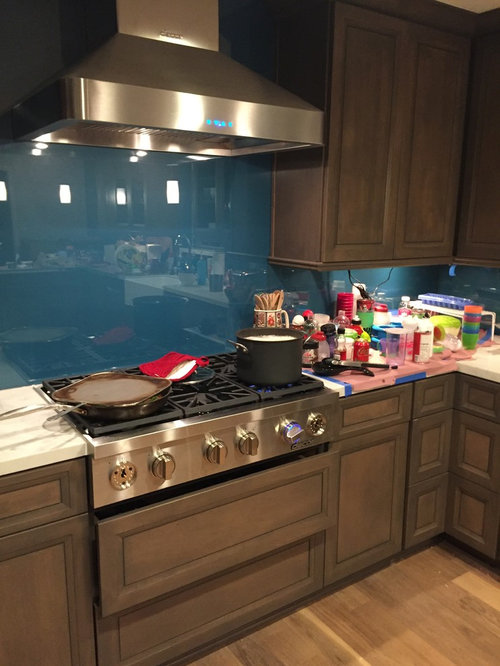
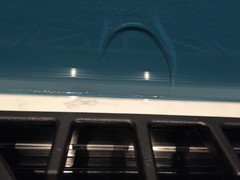
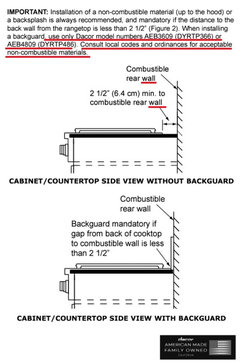
Help with hear cracking back-painted glass backsplash
10 years ago
Featured Answer
Sort by:Oldest
Comments (13)
 PRO10 years ago
 PRO10 years ago
Related Professionals
McAllen Interior Designers & Decorators · Waterbury Interior Designers & Decorators · Fergus Falls Interior Designers & Decorators · Minneapolis Interior Designers & Decorators · Green Bay Interior Designers & Decorators · Madison Interior Designers & Decorators · Morgantown Architects & Building Designers · Newark Architects & Building Designers · Wichita Falls Kitchen & Bathroom Designers · Hartford Kitchen & Bathroom Designers · Aurora Kitchen & Bathroom Designers · South Bend Kitchen & Bathroom Designers · Niles Kitchen & Bathroom Designers · Seattle Kitchen & Bathroom Designers · Casper Kitchen & Bathroom Designers- 10 years ago
 10 years ago
- 10 years ago
- 10 years ago
 10 years ago
 10 years ago
 10 years ago
- 10 years ago
- 10 years ago
- 10 years agolast modified: 10 years ago


Related Stories

CONCRETEWhy Concrete Wants to Crack
We look at the reasons concrete has a tendency to crack — and what you can do to help control it
Full Story
COLORPick-a-Paint Help: How to Create a Whole-House Color Palette
Don't be daunted. With these strategies, building a cohesive palette for your entire home is less difficult than it seems
Full Story
KITCHEN DESIGN10 Gorgeous Backsplash Alternatives to Subway Tile
Artistic installations, back-painted glass and pivoting windows prove there are backsplash possibilities beyond the platform
Full Story
LIFE12 House-Hunting Tips to Help You Make the Right Choice
Stay organized and focused on your quest for a new home, to make the search easier and avoid surprises later
Full Story
COLORPick-a-Paint Help: How to Quit Procrastinating on Color Choice
If you're up to your ears in paint chips but no further to pinning down a hue, our new 3-part series is for you
Full Story
ENTRYWAYSHelp! What Color Should I Paint My Front Door?
We come to the rescue of three Houzzers, offering color palette options for the front door, trim and siding
Full Story
HOUZZ TOURSMy Houzz: Saturated Colors Help a 1920s Fixer-Upper Flourish
Bright paint and cheerful patterns give this Spanish-style Los Angeles home a thriving new personality
Full Story
DECORATING GUIDESCould a Mission Statement Help Your House?
Identify your home’s purpose and style to make everything from choosing paint colors to buying a new home easier
Full Story
WORKING WITH PROS3 Reasons You Might Want a Designer's Help
See how a designer can turn your decorating and remodeling visions into reality, and how to collaborate best for a positive experience
Full Story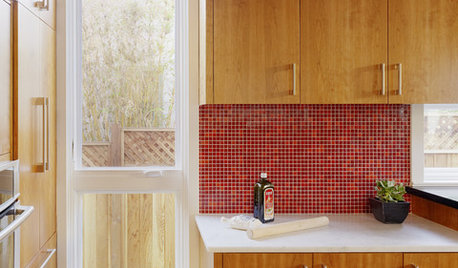
KITCHEN DESIGNKitchen Color: 15 Ravishing Red Backsplashes
Bring some zing to your kitchen with a backsplash of ruby-colored tiles or back-painted glass
Full Story
suzyq53