

Using Pine tree wood chips- nitrogen?
10 years ago
Sort by:Oldest
Comments (6)

Related Stories
TREESHow to Use Trees Inside
Bring nature close by integrating the beauty of trunks and trees — even smaller leafy trees — into your home
Full Story
KITCHEN DESIGNWhat to Know About Using Reclaimed Wood in the Kitchen
One-of-a-kind lumber warms a room and adds age and interest
Full Story
MATERIALSShould You Use Composite Timber in Your Landscape?
This low-maintenance alternative to wood is made from varying amounts of recycled plastic. Consider it for decks, fences and more
Full Story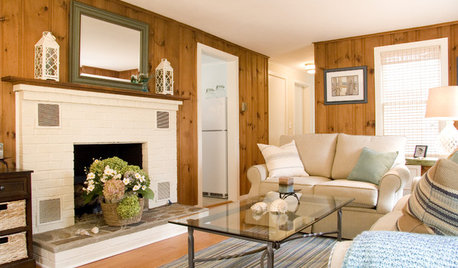
WALL TREATMENTSThese Are Not Your Grandfather’s Pine Walls
The knotty look went from popular to pariah in years past, but today’s designers are finding new and stylish ways to embrace it
Full Story
TREESGreat Design Plant: Pinyon Pine
You might just go nuts for this tough evergreen native to the Western U.S.
Full Story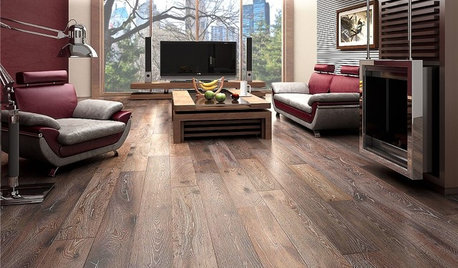
REMODELING GUIDESWhen to Use Engineered Wood Floors
See why an engineered wood floor could be your best choice (and no one will know but you)
Full Story
CHRISTMASQuick and Easy Christmas Decor With Greens, Wreaths and Pine Cones
When you're short on time, focus on the basics to make your house festive and fragrant
Full Story
Pine Cones: Not Just for Christmas
These natural treasures from the trees testify to Mother Nature's eye for great design
Full Story
HOUZZ TOURSMy Houzz: A Reclaimed Wood House Rises From the Trees
Scorched siding, thoughtfully repurposed furnishings and a connection to both family and nature shine in this designer's new build
Full Story
rgreen48
theforgottenone1013 (SE MI zone 5b/6a)
Related Professionals
Rocky Mount Landscape Architects & Landscape Designers · Roanoke Landscape Architects & Landscape Designers · Portland Landscape Architects & Landscape Designers · Utica Landscape Architects & Landscape Designers · Marietta Landscape Contractors · Aiken Landscape Contractors · Charleston Landscape Contractors · Lynchburg Landscape Contractors · Clarksburg Landscape Contractors · Middletown Landscape Contractors · Wheeling Landscape Contractors · Mesquite Landscape Contractors · New Orleans Accessory Dwelling Units · Vicksburg Accessory Dwelling Units · Temecula Accessory Dwelling Unitsdigdirt2
ScottOriginal Author
Labradors
rhizo_1 (North AL) zone 7