

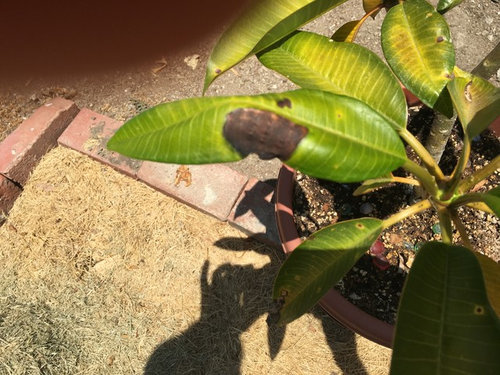
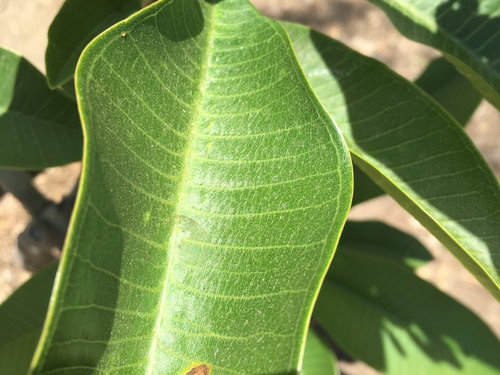
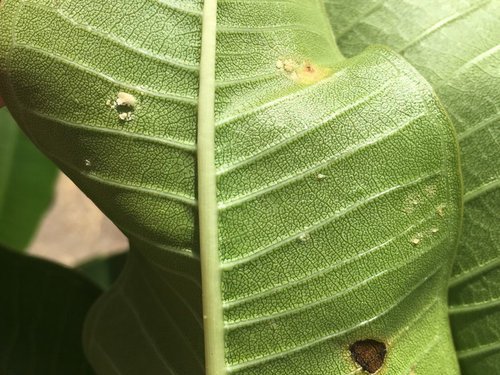
Need help for 2 plumeria plants
10 years ago

Featured Answer
Sort by:Oldest
Comments (8)
 PRO10 years agolast modified: 10 years ago
 10 years ago
Related Professionals
Mobile Landscape Architects & Landscape Designers · California Landscape Architects & Landscape Designers · Asheville Landscape Architects & Landscape Designers · Champaign Landscape Architects & Landscape Designers · Ardmore Landscape Contractors · Lufkin Landscape Contractors · New Haven Landscape Contractors · Florence Architects & Building Designers · Saint Joseph Architects & Building Designers · Memphis Architects & Building Designers · College Station Architects & Building Designers · Muncie Architects & Building Designers · New Bedford Architects & Building Designers · Alpena Architects & Building Designers · Santa Barbara Architects & Building Designers 10 years ago
- 10 years ago
- 10 years ago
- 10 years agolast modified: 10 years ago
- 10 years ago
Related Stories
GARDENING GUIDESGreat Design Plant: Common Boneset Helps Good Bugs Thrive
Support bees, moths and butterflies with the nectar of this low-maintenance, versatile and tactile prairie-style plant
Full Story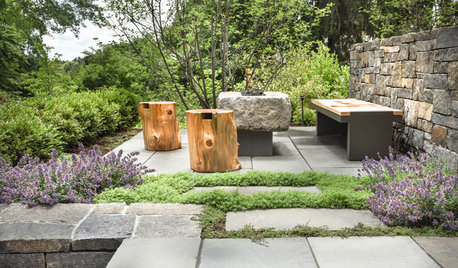
LANDSCAPE DESIGNNative Plants Help You Find Your Garden Style
Imagine the garden of your dreams designed with plants indigenous to your region
Full Story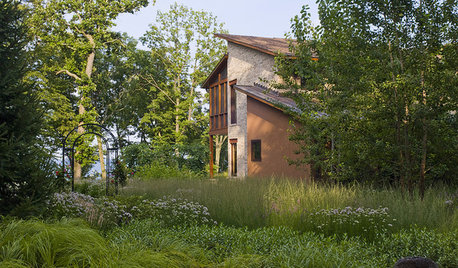
GARDENING GUIDES8 Unthirsty Plants Help You Save Water in Style
Spend less effort and money on your landscape with drought-tolerant and native plants that liven up your yard
Full Story
PETS6 Ways to Help Your Dog and Landscape Play Nicely Together
Keep your prized plantings intact and your dog happy too, with this wisdom from an expert gardener and dog guardian
Full Story
STAIRWAYSHelp Your Stair Landing Take Off
Whether for storage, art, plants or whatever else strikes your fancy, your stair landing can serve your home in a thoughtful way
Full Story
EARTH DAYHow to Help Your Town’s Beneficial Birds and Bugs
Make a habitat using local materials to provide a home to the creatures that help our gardens
Full Story
LANDSCAPE DESIGNHow to Help Your Home Fit Into the Landscape
Use color, texture and shape to create a smooth transition from home to garden
Full Story
SMALL SPACESDownsizing Help: Think ‘Double Duty’ for Small Spaces
Put your rooms and furnishings to work in multiple ways to get the most out of your downsized spaces
Full Story
GARDENING AND LANDSCAPINGBe a Citizen Scientist to Help Wildlife, Learn and Have Fun Too
Track butterflies, study birds, capture stars ... when you aid monitoring efforts, you’re lending Mother Nature a hand
Full Story
More Discussions
tapla (mid-Michigan, USDA z5b-6a)