Software
Houzz Logo Print
checko1212

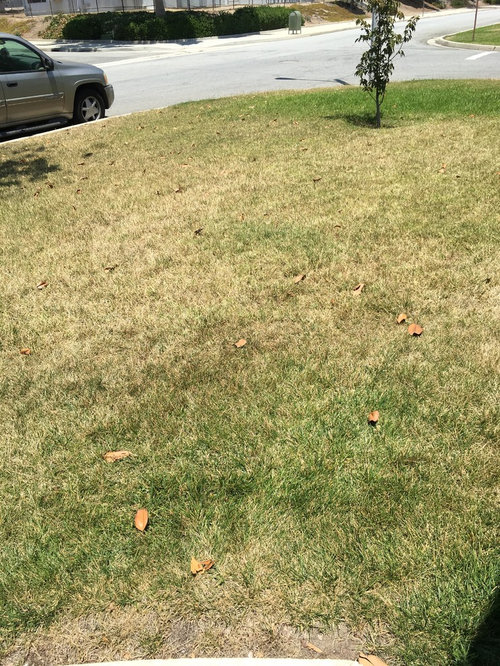
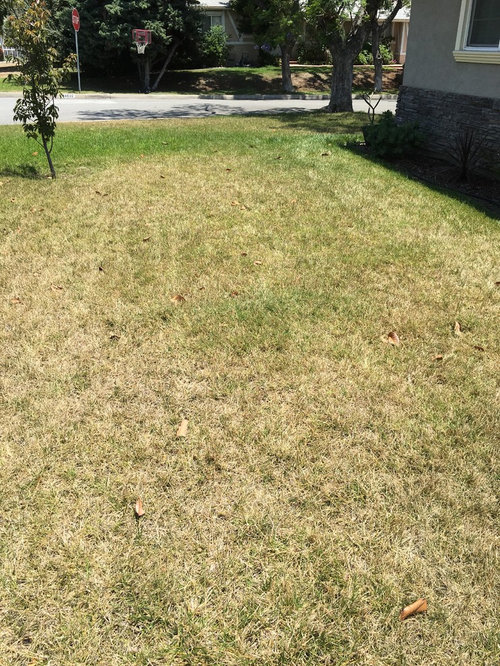
Dying lawn. Help!

10 years ago
lawn problems · More Info

lawn problems · More Info

Hi all,

i live in Southern California. We put our lawn in 2 years ago. Killed off the weeds, roto- tilled the soil, and laid down blue red fescue seed. For the first year or so the lawn was lush and green. I started mowing it maybe a little too short but it didn't show signs of drying up until about the past 6 months. Now no matter what we try to do- water more, use ironite, weed and feed- nothing seems to work. There's huge patches of grass that just won't come back. Should we even try or let this die out and try again in the fall? Any help is really appreciated! TIY.

Comments (13)

  • 10 years ago
    Hi hawksster,
    Thanks for the reply. Socal is Southern California. Los Angeles to be exact.
  • 10 years ago

    OK, sorry I meant where IN Socal. If you are in LA look into bermudagrass or St Augustine. For some reason these grasses are not mentioned much in our state. They are warm weather grasses, love the heat, sun, and do better in drought situations. You are smack dab in the middle of a number of sod farms that sell bermuda. I would really suggest looking into that as an option. A few other members will rpob be on this weekend or early next week. They can also help answer questions you may have & provide more input into your choices. Reeljake is a bermuda guy, dchall_san_antonia is a good resource for everything, but is the go to for St. Augustine grass.


    If you have never tested your soil, you may want to consider doing so. Logan Labs is the suggested "go to" lab - $25 test. When you get your results & post them you will get detailed input from other forum members on how to amend your soil.

  • 10 years ago
    hawksster,
    Thank you kindly for you input!
  • 10 years ago
    Hawksster,
    Does it look like the grass is dormant?
  • 10 years ago

    lol that's part of the dream. "dormant fescue" is really dead fescue in our area. Fescue thinning out & turning brown coincides with the boom in crabgrass & competing grasses like wild bermuda. When you water & fertilize the "dormant" fescue you will have some "green-up" but it won't be fescue. As the years go by & the cycle continues and you eventually have a full weed patch.

    I have never personally seen fescue return from "dormancy" in california. I recently learned that you are supposed to overseed fescue every Fall. No one I know around here knew this. So I guess that is another option. In the Fall overseed your lawn, then do that again every year.

  • 10 years ago

    Where in "Los Angeles?" In all the years I've been on this forum, only two people reporting to be from LA were really from LA. If you're from there you will realize that there's a big difference between the morning weather between Santa Monica and West Covina. Once you get over the Pomona hills or through the Green River Valley (from Newport toward Corona), it's a lot hotter, so where you are in SoCal makes a difference.

    If you live west of the 5 or 405, then you should be fine with fescue or even Kentucky bluegrass. East of there and it's probably not the right thing to grow. Yes, I realize they've been selling Marathon varieties of fescue for decades with good results, but that was before the drought. If you plan to be drought conscious, and you're out of the morning fog zone, then you really should to move to a more heat tolerant type. Bermuda is considered a noxious weed in SoCal, but that's simply because nobody has seen hybrid TIF 419 bermuda. Everyone is trying to grow fescue and ends up with common bermuda. The hybrids are mutant but in a very positive way. St Augustine is very easy to grow in your area.

    You never said how you were watering. Since you live in SoCal there's a 90% chance or better that you're watering every day. That's wrong and could be very wrong if you're closer to the beach. Here's more on that.

    Watering: Deep and infrequent is the mantra for watering. This is for all turf grass all over the place. Deep means 1 inch all at one time. Put some cat food or tuna cans around the yard, and time how long it takes your sprinkler(s) to fill all the cans. Memorize that time. That will be the time you water from now on. My hose, sprinkler and water pressure takes 8 full hours to fill the cans. Your time will likely be less. I like gentle watering. As for watering frequency, that depends on the daytime air temperature. With temps in the 90s, deep water once per week. With temps in the 80s, deep water once every 2 weeks. With temps in the 70s, deep water once every 3 weeks. With temps below 70, deep water once a month. Note that you have to keep up with quickly changing temps in the spring and fall. This deep and infrequent schedule works in Phoenix and in Vermont, so it should work for you. The reason for deep and infrequent is to grow deeper, more drought resistant roots and to allow the soil to dry completely at the surface for several days before watering again. If it rains, reset your calendar to account for the rainfall.

  • 10 years ago
    Thank you so much dchall_san_antonio.. I live in La Mirada. We just started deep watering the lawn as you suggested about a week or so ago. Should I continue? I'm not sure if the grass will come back. It's green in some spots but those spots are also very dry looking- should i reseed or should I not water and do the lawn all over again in the fall? Also, what type grass would you suggest that would stay green for most of the year? especially in this drought.
  • 10 years ago

    dchall, shouldn't the OP be watering (deeply) when the grass shows signs of drought stress? The goal would be to spread out the irrigation until they get to your goals. There may be shallow roots.

  • 10 years ago

    You're far enough inland that fescue and Kentucky bluegrass will get a little stressed in the summer. An easier way to go would be either bermuda (hybrid like TIF 419) or St Augustine. Bermuda might go dormant in December - February in some winters. St Augustine might not go dormant at all, but it might stop growing during those months. That's a form of dormancy, but I'm thinking it might not go brown. At least both of these grasses will be nice and green most of the year. If you were south/west of the 405 you could grow fescue and KBG all year long and it would look nice all the time. The SoCal climate differences are affected by the "late night and early morning low clouds near the coast burning off by 11." If you're in that area then the "northern" type grasses are fine. As soon as the fogs burns off the sea breeze kicks up and it's either cloudy or cool all day long. But when you get out of that "near the coast" area you have to go with southern type grasses.

    Hybrid bermuda is nothing like common bermuda. Common bermuda is the weed everyone hates. All seeded varieties of bermuda are variations of the common Arizona bermuda. Those send up seed heads after 5-6 days and invade the surrounding flower beds relentlessly. The TIF hybrids are a mutant type of grass that they make golf courses out of. Seed heads are very rare, and the runners are slightly less relentless to invade surrounding beds.

    Regarding watering restrictions: with bermuda it doesn't matter what the restrictions are, as soon as the bermuda gets wet again it will return. With St Augustine if you don't water it at least a little once a month it could die completely and get (temporarily) replaced by common bermuda that seems to have seeds everywhere.

    TS Garp: generally yes. Northern grasses should be weaned off of frequent watering more gradually than southern grasses. Having said that, if you are watering frequently and the grass is dying, it could be a disease is affecting the roots preventing them from taking up water. The plant dies from lack of water even though the soil is soggy.

  • 10 years ago
    dchall_san_antonio,
    Any recommendations on where I can purchase Bermuda TIF419 or St Augustine grass seed?
  • 10 years ago

    Nowhere. Neither of those grasses can be started with seed. You live near quite a few sod farm/suppliers. You can purchase different types of bermuda seeds online, but you really don't want to seed bermuda. It is a horrifically laborious process that takes 2-3 years to get full coverage. If you can't afford to sod the entire area, you can buy a few pieces of bermuda sod and plug or sprig it.

  • 10 years ago
    Thank you again hawksster! Your replies have been really really helpful