

Are the Hawthorns problematic trees?
10 years ago
last modified: 10 years ago
Sort by:Oldest
Comments (4)
Related Stories
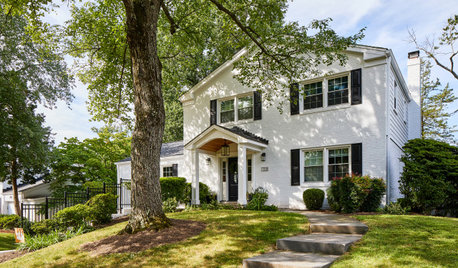
LANDSCAPE DESIGN8 Reasons to Plant a Great Tree
Beauty is its own reward, but the benefits of planting the right tree in the right place go way beyond looks
Full Story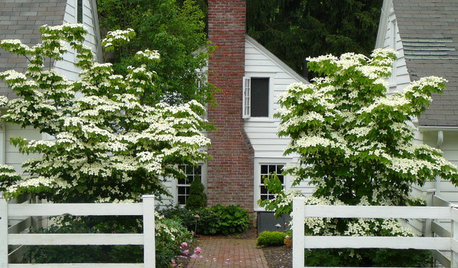
TREES7 Deer-Resistant Flowering Trees to Plant this Fall
If you live in a neighborhood with roaming deer, consider these beautiful trees that won't tempt hungry guests
Full Story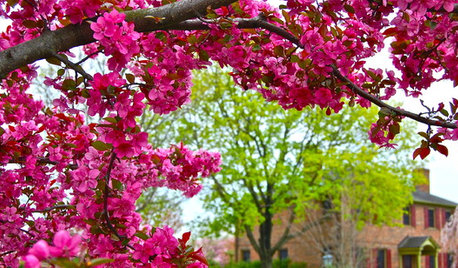
FALL GARDENING6 Trees You'll Fall For
Don’t put down that spade! Autumn is the perfect time for planting these trees
Full Story
EDIBLE GARDENSHow to Grow 10 Favorite Fruit Trees at Home
Plant a mini orchard in fall, winter or early spring to enjoy fresh-off-the-tree fruit the following year
Full Story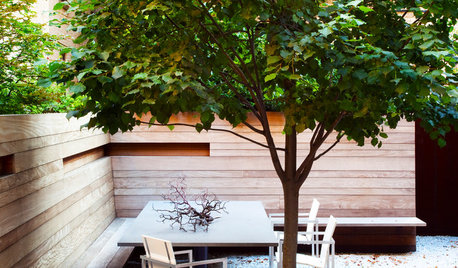
LANDSCAPE DESIGNPretty Trees for Patios, Paths and Other Tight Spots
Choose trees for their size, shape and rate of growth — or shape them to fit your space. Here's how to get started
Full Story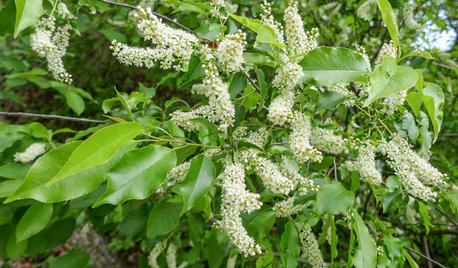
GARDENING GUIDESPlant Black Cherry Trees for the Birds and Bees
Plant Prunus serotina in the Central and Eastern U.S. for spring flowers, interesting bark and beautiful fall color
Full Story
HOUZZ TOURSMy Houzz: A Reclaimed Wood House Rises From the Trees
Scorched siding, thoughtfully repurposed furnishings and a connection to both family and nature shine in this designer's new build
Full Story
LANDSCAPE DESIGNSmall Garden? You Can Still Do Bamboo
Forget luck. Having bamboo that thrives on a wee plot just takes planning, picking the right variety, and keeping runners in check
Full Story
GARDENING FOR BIRDSFeed the Birds: 6 Plants for Abundant Winter Berries
Be kind to your fair feathered friends during lean food times by planting a shrub or tree loaded with nutritious snacks
Full Story
FALL GARDENINGWhy Fall Is the Best Time for Planting
Spring is overrated for planting. Starting plants in autumn has advantages for both garden and gardener
Full Story

wisconsitom
kentrees12
Related Professionals
Hagerstown Landscape Architects & Landscape Designers · Joplin Landscape Architects & Landscape Designers · McAllen Landscape Architects & Landscape Designers · Elmira Landscape Architects & Landscape Designers · Pittsburgh Landscape Architects & Landscape Designers · London Landscape Architects & Landscape Designers · Hattiesburg Landscape Contractors · Ardmore Landscape Contractors · Selma Home Additions · McAlester Home Additions · Chula Vista Home Additions · San Francisco Home Additions · Missoula Home Additions · Scottsbluff Home Additions · Eugene Home Additionsgardengal48 (PNW Z8/9)
lone_elm_z6Original Author