

Cold Storage
10 years ago
Sort by:Oldest
Comments (5)
Related Stories

ARCHITECTURE15 Smart Design Choices for Cold Climates
Keep your home safe and comfortable in winter by choosing the right home features and systems
Full Story
DECORATING GUIDESCold-Weather Sports Gear Heats Up Interiors
Skis, snowshoes and other wintertime sports equipment pieces are sliding off the slopes and into the home
Full Story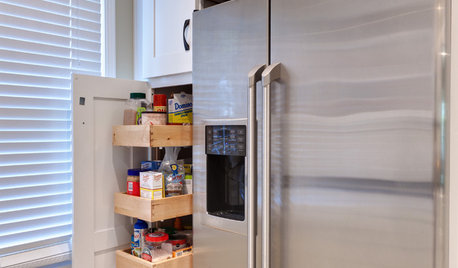
KITCHEN STORAGEPantry Placement: How to Find the Sweet Spot for Food Storage
Maybe it's a walk-in. Maybe it's cabinets flanking the fridge. We help you figure out the best kitchen pantry type and location for you
Full Story
HOUZZ TOURSHouzz Tour: Clever Storage Ideas From a Manhattan Duplex
A bookcase on tracks, wall-spanning storage, a Murphy bed and more give a comedy writer flexibility for working and living at home
Full Story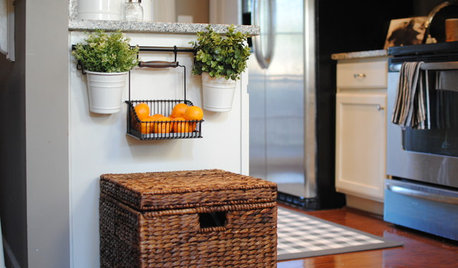
KITCHEN STORAGESmart Storage for Fresh, Tempting Produce
Keep fruits and veggies in easy reach with baskets, refrigerated drawers and cabinet pullouts, to stay healthy all winter long
Full Story
ROOM OF THE DAYRoom of the Day: Comfort and Sophistication
San Franciscans take their living room from cold and uninviting to warm and welcoming
Full Story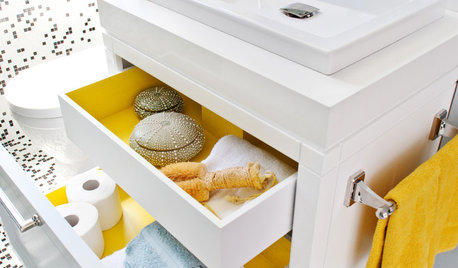
BATHROOM DESIGNGet It Done: Organize the Bathroom for Well-Earned Bliss
You deserve the dreamy serenity of cleared countertops, neatly arranged drawers and streamlined bathroom storage
Full Story
KITCHEN WORKBOOK8 Kitchen Amenities You'll Really Wish You Had
Keep kitchen mayhem and muck to a minimum with these terrific organizers and other time-saving, mess-preventing features
Full Story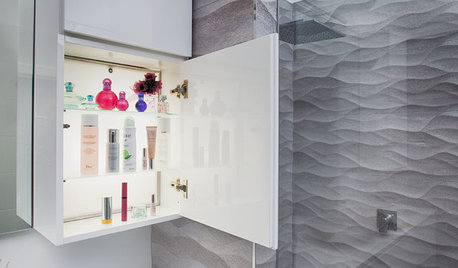
BATHROOM STORAGE10 Design Moves From Tricked-Out Bathrooms
Cool splurges: Get ideas for a bathroom upgrade from these clever bathroom cabinet additions
Full Story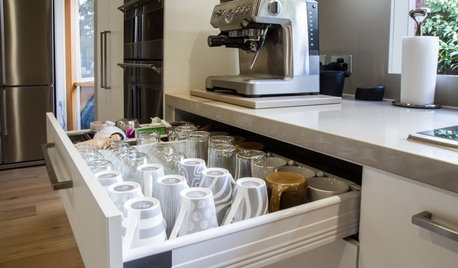
KITCHEN STORAGEPulling Power: Clever Drawer Tactics for a Kitchen
It’s not how many drawers you have in your kitchen; it’s how they work for you
Full Story
Sponsored
digdirt2
LoneJack Zn 6a, KC
hawkeyextOriginal Author
pqtex
food_lover