

When refinishing oak, what grit should I go down to before staining?
9 years ago
Featured Answer
Sort by:Oldest
Comments (6)
 9 years ago
- 9 years ago
Related Professionals
Little Rock Cabinets & Cabinetry · Tallahassee Cabinets & Cabinetry · Memphis Cabinets & Cabinetry · Wilmington Carpenters · Escanaba Carpenters · Mankato Carpenters · Grand Forks Carpenters · Pueblo Carpenters · Great Falls Carpenters · Lake City Flooring Contractors · Evansville Flooring Contractors · Raleigh Flooring Contractors · Fredericksburg Flooring Contractors · Dubuque Flooring Contractors · Great Falls Flooring Contractors- 9 years ago
- 9 years ago
- PRO9 years ago

Related Stories
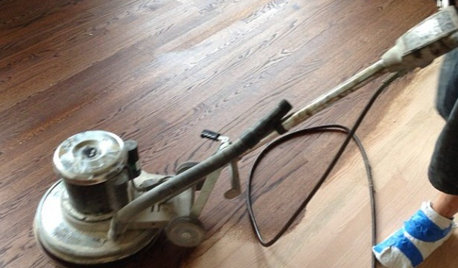
GREAT HOME PROJECTSWhat to Know Before Refinishing Your Floors
Learn costs and other important details about renewing a hardwood floor — and the one mistake you should avoid
Full Story
REMODELING GUIDESWhat to Know Before You Tear Down That Wall
Great Home Projects: Opening up a room? Learn who to hire, what it’ll cost and how long it will take
Full Story
WORKING WITH PROSGo Beyond the Basics When Interviewing Architects
Before you invest all that money and time, make sure you and your architect are well matched beyond the obvious levels
Full Story
GREAT HOME PROJECTSHow to Refinish a Wood Deck
Keep your deck looking its best — and save feet from splinters — by applying a new stain and sealant every year or so
Full Story
HOUSEKEEPINGDon't Touch Another Stain Before You Read This
Even an innocent swipe with water may cause permanent damage. Here's what to know about how rugs and fabrics react
Full Story
SELLING YOUR HOUSEFix It or Not? What to Know When Prepping Your Home for Sale
Find out whether a repair is worth making before you put your house on the market
Full Story
REMODELING GUIDES5 Ways to Protect Yourself When Buying a Fixer-Upper
Hidden hazards can derail your dream of scoring a great deal. Before you plunk down any cash, sit down with this
Full Story
HOUZZ TOURSMy Houzz: Going White and Bright in Montreal
White lacquer and wider doorways help create an airer backdrop for colorful contemporary art in a 1910 Arts and Crafts home
Full Story
REMODELING GUIDESWhen to Use Engineered Wood Floors
See why an engineered wood floor could be your best choice (and no one will know but you)
Full Story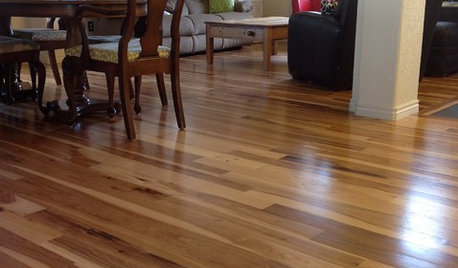
MATERIALSWhat to Ask Before Choosing a Hardwood Floor
We give you the details on cost, installation, wood varieties and more to help you pick the right hardwood flooring
Full Story


Dream Home Finishers