

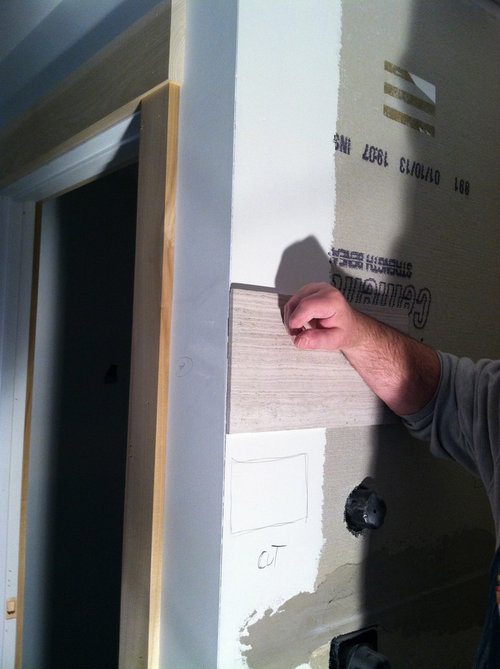
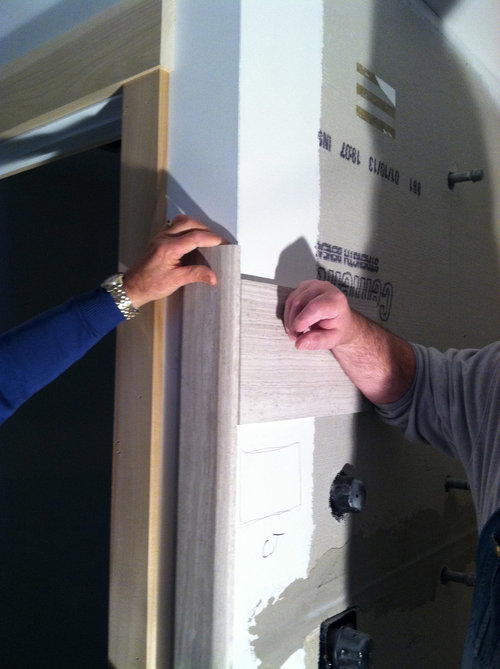
Quick I need help with a tile decision asap!
13 years ago
Featured Answer
Sort by:Oldest
Comments (17)
 PRO13 years ago
 13 years ago
Related Professionals
Magnolia Interior Designers & Decorators · Jacksonville Interior Designers & Decorators · Saint Joseph Interior Designers & Decorators · Beckley Interior Designers & Decorators · Fairbanks Interior Designers & Decorators · Fort Myers Architects & Building Designers · Hartford Architects & Building Designers · Des Moines Architects & Building Designers · Oneonta Architects & Building Designers · Morgan City Kitchen & Bathroom Designers · Manhattan Kitchen & Bathroom Designers · Murrieta Kitchen & Bathroom Designers · Sacramento Kitchen & Bathroom Designers · Magog Kitchen & Bathroom Designers · Sanford Kitchen & Bathroom Designers PRO13 years ago
 13 years ago
 PRO13 years ago
- 13 years ago
 PRO13 years ago
- PRO13 years ago
- 13 years ago
- PRO13 years ago
- PRO13 years ago
- PRO13 years ago
- PRO13 years ago
- PRO13 years agolast modified: 13 years ago
- PRO13 years agolast modified: 13 years ago
- 10 years ago
Related Stories
DECORATING GUIDESThe Dumbest Decorating Decisions I’ve Ever Made
Caution: Do not try these at home
Full Story
EXTERIORSHelp! What Color Should I Paint My House Exterior?
Real homeowners get real help in choosing paint palettes. Bonus: 3 tips for everyone on picking exterior colors
Full Story
MONTHLY HOME CHECKLISTSYour Checklist for Quick Houseguest Prep
Follow these steps to get your home ready in a hurry for overnight visitors
Full Story
HOUSEKEEPINGFurniture Clinic: Quick DIY Glides for Sofa, Chair or Table
Smooth things over between your furniture and floor with easy glides cut from leather scraps
Full Story
LIFEA Quick Downsizing Quiz for the Undecided
On the fence about downsizing? We help you decide whether that fencing should encircle a mansion or a mini trailer
Full Story
KITCHEN DESIGN15 Quick Kitchen Fixes
Little Changes Will Help You Love Your Kitchen All Over Again
Full Story
HOUSEKEEPINGWhen You Need Real Housekeeping Help
Which is scarier, Lifetime's 'Devious Maids' show or that area behind the toilet? If the toilet wins, you'll need these tips
Full Story
SELLING YOUR HOUSE5 Savvy Fixes to Help Your Home Sell
Get the maximum return on your spruce-up dollars by putting your money in the areas buyers care most about
Full Story
SELLING YOUR HOUSEHelp for Selling Your Home Faster — and Maybe for More
Prep your home properly before you put it on the market. Learn what tasks are worth the money and the best pros for the jobs
Full Story
KITCHEN DESIGNQuick Project: Brighten the Space Under Your Kitchen Sink
Give yourself a lift with a refreshed place for your kitchen cleaning supplies
Full Story

Nick Dellos Creations