

do yew believe this
9 years ago
Featured Answer
Sort by:Oldest
Comments (15)
 9 years ago
 9 years ago
Related Professionals
Gainesville Landscape Architects & Landscape Designers · Richmond Landscape Architects & Landscape Designers · Baltimore Landscape Architects & Landscape Designers · Oxford Landscape Architects & Landscape Designers · Kenosha Landscape Architects & Landscape Designers · Bozeman Landscape Architects & Landscape Designers · Calgary Landscape Architects & Landscape Designers · San Marcos Landscape Contractors · Detroit Landscape Contractors · Coos Bay Landscape Contractors · Kissimmee Home Builders · Lake Charles Home Builders · South Bend Home Builders · Brooklyn Home Builders · Ogden Home Builders 9 years ago
 9 years ago
- 9 years ago
- 9 years ago
- 9 years ago
 9 years ago
 9 years agolast modified: 9 years ago
- 9 years ago
- 9 years ago
- 9 years ago
- 9 years ago
- 9 years agolast modified: 9 years ago
Related Stories
LANDSCAPE DESIGNExplore a Magical Restored English Garden
History comes alive in the gardens of a Rochester townhouse, filled with sculptural yew, a topiary parterre and an archway-draped pond
Full Story
LANDSCAPE DESIGN7 Evergreen Wonders of the Plant World
Year-round interest, structure and beautiful color? These top-notch evergreens have gardens covered
Full Story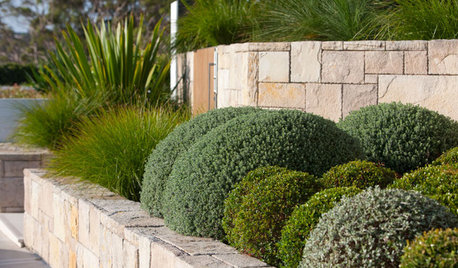
LANDSCAPE DESIGNBoxwood Alternatives Bring the Chelsea Flower Show to You
Don’t let box blight limit your plans to borrow garden design ideas from the renowned British event
Full Story
EXTERIORS17 Ways to Increase Your Home's Curb Appeal
The word on the street? Homes with appealing front views can sell faster, lift moods and convey a warm welcome
Full Story
STANDARD MEASUREMENTSKey Measurements for Planning the Perfect Dining Room
Consider style, function and furniture to create a dining space that will let you entertain with ease
Full Story
GARDENING GUIDES13 Risks to Take for True Garden Rewards
Go ahead, be a rebel. Breaking rules in the garden can lead to more happiness, creativity and connection with the earth
Full Story
HOLIDAYSFather's Day Extravaganza! 19 Glorious Man Spaces by Houzzers
Guitars, beer, games and sports memorabilia fill these unabashedly masculine rooms for men of all ages and tastes
Full Story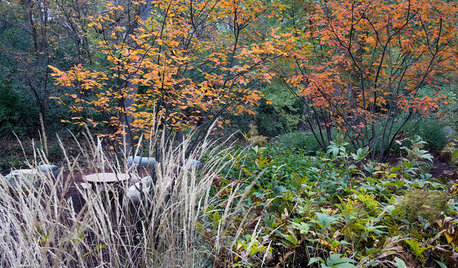
GARDENING GUIDES8 Native Shrubs for Year-Round Bird Feeding
It’s not just about berries. These plants provide insects for birds and seasonal interest for gardeners
Full Story
HOUZZ TOURSHouzz Tour: Sleek and Minimal in Singapore
Contemporary style and a neutral palette transform a public housing unit in Singapore into a chic retreat
Full Story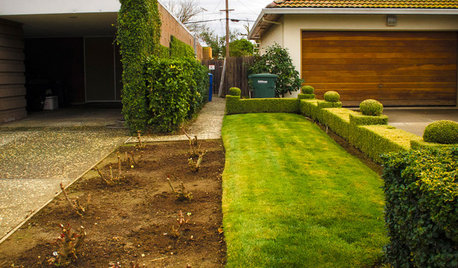
EXTERIORSWhere Front Yards Collide: Property Lines in Pictures
Some could be twins; others channel the Odd Couple. You may never look at property boundaries the same way again
Full Story
Sponsored
gardengal48 (PNW Z8/9)