

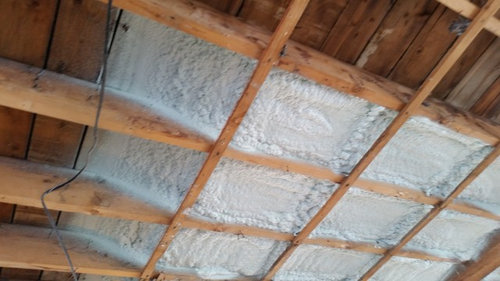
Getting ice dams after polyurethane insulation, is it normal?
9 years ago


Featured Answer
Sort by:Oldest
Comments (6)
 9 years ago
Related Professionals
El Dorado Home Remodeling · Manhattan Home Remodeling · Kansas City Home Remodeling · Las Vegas Home Remodeling · Reno Home Remodeling · Coeur d'Alene Home Remodeling · Provo Home Remodeling · Decatur Kitchen Remodelers · Tupelo Kitchen Remodelers · Richmond Kitchen Remodelers · Morgantown Kitchen Remodelers · Sarnia Kitchen Remodelers · Hot Springs Bathroom Remodelers · Rolla Bathroom Remodelers · Riverside Bathroom Remodelers- 9 years agolast modified: 9 years ago
 9 years agolast modified: 9 years ago
- 9 years ago
- 9 years ago
Related Stories

GREEN BUILDINGInsulation Basics: Heat, R-Value and the Building Envelope
Learn how heat moves through a home and the materials that can stop it, to make sure your insulation is as effective as you think
Full Story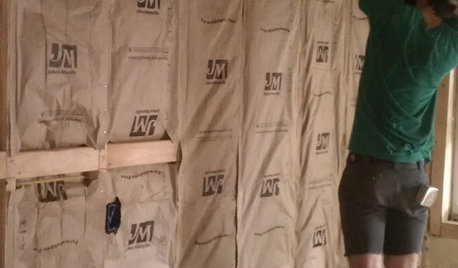
REMODELING GUIDESCool Your House (and Costs) With the Right Insulation
Insulation offers one of the best paybacks on your investment in your house. Here are some types to discuss with your contractor
Full Story
DISASTER PREP & RECOVERYRemodeling After Water Damage: Tips From a Homeowner Who Did It
Learn the crucial steps and coping mechanisms that can help when flooding strikes your home
Full Story
ECLECTIC HOMESHouzz Tour: Run-Down Victorian Gets a Manhattan-Style Makeover
A pre-earthquake Victorian in San Francisco is revitalized with a mix of modern and classic design and a healthy dose of NYC glam
Full Story
LIFEThe Polite House: How Can I Kindly Get Party Guests to Use Coasters?
Here’s how to handle the age-old entertaining conundrum to protect your furniture — and friendships
Full Story
LIGHTINGGet Your Home's Recessed Lighting Right
Learn the formula for how much light a room needs plus how to space downlights, use dimmers and more
Full Story
HOMES AROUND THE WORLDStorybook Cottage Gets an All-Glass Kitchen
A showstopping addition to a traditional thatched cottage houses a contemporary kitchen
Full Story
COMMUNITYGet a Bird's-Eye View of America's Housing Patterns
See the big picture of how suburban developments are changing the country's landscape, with aerial photos and ideas for the future
Full Story
REMODELING GUIDESGet the Look of a Built-in Fridge for Less
So you want a flush refrigerator but aren’t flush with funds. We’ve got just the workaround for you
Full Story
HOUSEKEEPING7-Day Plan: Get a Spotless, Beautifully Organized Garage
Stop fearing that dirty dumping ground and start using it as the streamlined garage you’ve been wanting
Full Story




User