

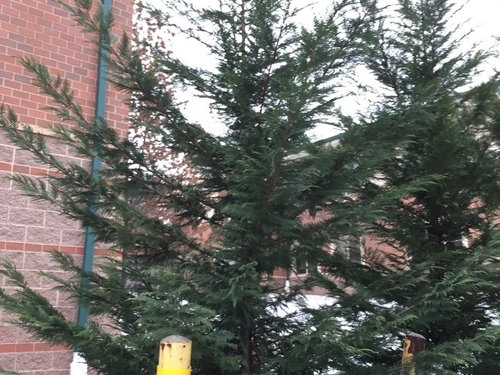
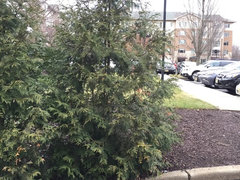
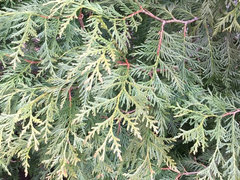
What conifer is this
9 years ago

Featured Answer
Sort by:Oldest
Comments (20)
 9 years ago
- 9 years ago
Related Professionals
Fort Myers Landscape Architects & Landscape Designers · Kissimmee Landscape Architects & Landscape Designers · Ocala Landscape Architects & Landscape Designers · Augusta Landscape Architects & Landscape Designers · Emporia Landscape Contractors · Grand Island Landscape Contractors · Fort Smith Home Builders · Westminster Home Builders · Vineland Home Builders · Marietta Home Builders · Champaign Home Builders · Victorville Home Builders · San Angelo Home Builders · Tacoma Home Builders · Magog Home Builders- 9 years ago
- 9 years agolast modified: 9 years ago
 9 years ago
- 9 years agolast modified: 9 years ago
- 9 years ago
- 9 years ago
 9 years ago
- 9 years ago
- 9 years ago
- 9 years ago
 9 years ago
- 9 years ago
- 9 years ago
 9 years agolast modified: 9 years ago
- 9 years agolast modified: 9 years ago
- 9 years ago
 9 years ago
Related Stories
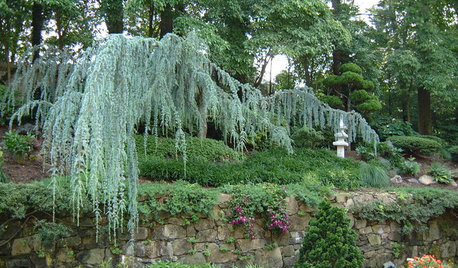
PLANTING IDEASDesigning With Conifers: Exploring Color
Colorful, structural and adaptable, conifers are waiting to transform your garden
Full Story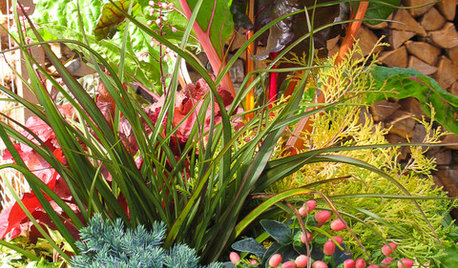
PLANTING IDEASStretch the Budget, Seasons and Style: Add Conifers to Your Containers
Small, low-maintenance conifers are a boon for mixed containers — and you can transplant them to your garden when they’ve outgrown the pot
Full Story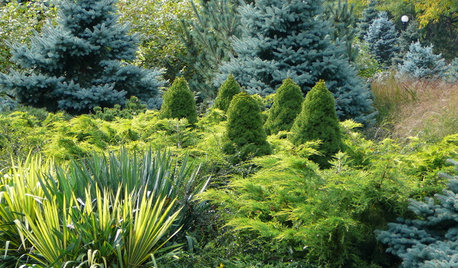
PLANTING IDEASDesigning With Conifers: Layers of Texture for Your Garden
Sharp and prickly or fine like ferns, richly textured conifers bring unexpected interest to the landscape
Full Story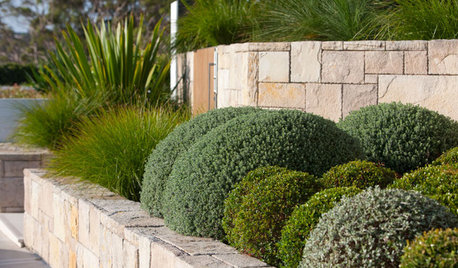
GARDENING GUIDESDesigning With Conifers: Find the Perfect Fit for Your Landscape
Conifers range from fairy-garden size to 70 feet tall. Here’s how to decifer the plant tag for the perfect long-term fit in your garden
Full Story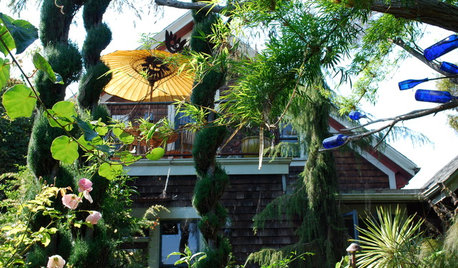
PLANTING IDEASDesigning With Conifers: How to Unite Your Landscape
Create a landscape full of intrigue and artistry with the right placement of conifers and their supporting players
Full Story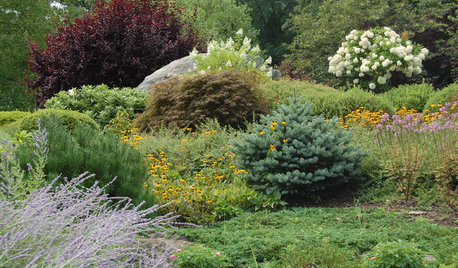
GARDENING GUIDESDesigning With Conifers: Finding the Right Garden Bedmates
In gardening, building on commonalities creates an enduring relationship
Full Story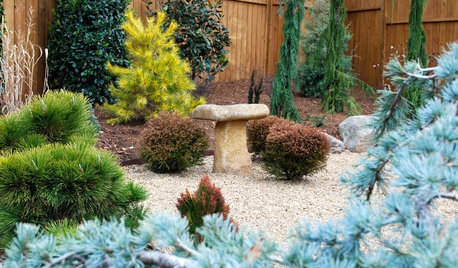
PLANTING IDEASDesigning With Conifers: Personality and Form in the Garden
Unique and full of interest, well-shaped conifers await a place your yard
Full Story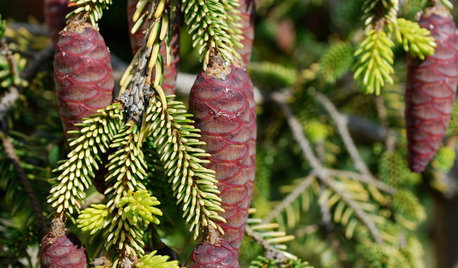
GARDENING GUIDESGreat Design Plant: Skylands Oriental Spruce, a Favorite Conifer
Brighten up a drab corner of your garden with Picea orientalis ‘Skylands’, a smaller spruce that a bird family might just call home
Full Story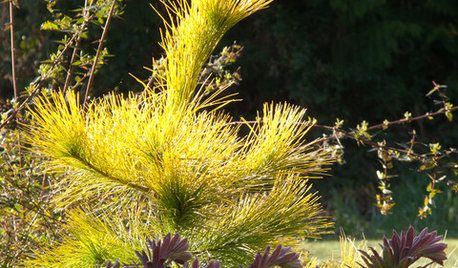
GARDENING GUIDESGreat Design Plant: Louie Eastern White Pine
This stunning golden conifer will bring a smile to your face and add a ray of sunshine to your winter garden
Full Story
FOLIAGEGreat Design Plant: 'Forever Goldie' Arborvitae
As soft as a teddy bear, this golden conifer adds year-round interest to the garden
Full Story
Sponsored
gardengal48 (PNW Z8/9)