

Apple trees: Codling moth and maggot help needed!
9 years ago
Sort by:Oldest
Comments (4)
Related Stories

EDIBLE GARDENSHow to Add an Apple Tree to Your Edible Garden
Readily available, beautiful and fragrant, apple trees offer four-season interest along with crisp, juicy fruit
Full Story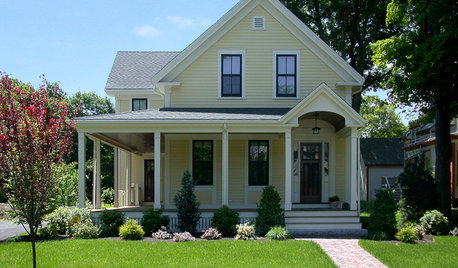
SELLING YOUR HOUSE10 Low-Cost Tweaks to Help Your Home Sell
Put these inexpensive but invaluable fixes on your to-do list before you put your home on the market
Full Story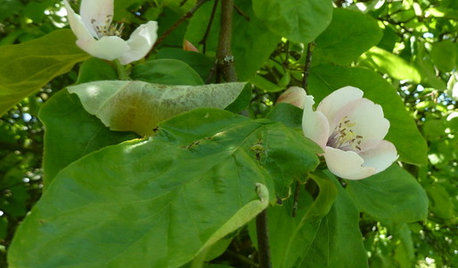
EDIBLE GARDENSWhy Grow Quince? For Beauty, Fragrance and Old-Time Flavor
Delightfully perfumed fruit and lovely spring blossoms make this apple and pear cousin worth a spot in the garden
Full Story
EDIBLE GARDENSHow to Grow 10 Favorite Fruit Trees at Home
Plant a mini orchard in fall, winter or early spring to enjoy fresh-off-the-tree fruit the following year
Full Story
GARDENING GUIDES10 Top California Native Plants, Trees and Grasses
Enjoy a fuss-free, water-wise garden in the Golden State by growing plants naturally in tune with the climate and wildlife
Full Story
LANDSCAPE DESIGNPretty Trees for Patios, Paths and Other Tight Spots
Choose trees for their size, shape and rate of growth — or shape them to fit your space. Here's how to get started
Full Story
EDIBLE GARDENSHow to Grow Your Own European and Asian Pears
Try these trees for their good looks, delicious fruit and wide range of sizes — plus you can espalier them
Full Story
FENCES AND GATESHow to Choose the Right Fence
Get the privacy, security and animal safeguards you need with this guide to fencing options
Full Story
EARTH DAYHow to Design a Garden for Native Bees
Create a garden that not only looks beautiful but also nurtures native bees — and helps other wildlife in the process
Full Story
HOUZZ TOURSMy Houzz: Cozy Country Meets Bohemian Artistic in Australia
Healthy helpings of salvage and rustic art give a pastureland home free-spirited style
Full StorySponsored

Customized Award-Winning Interior Design Solutions in Franklin Cnty OH



forester7Original Author
spartanapples
Related Professionals
Cumberland Landscape Architects & Landscape Designers · Raleigh Landscape Architects & Landscape Designers · Niles Landscape Architects & Landscape Designers · Rochester Landscape Architects & Landscape Designers · Burlington Landscape Architects & Landscape Designers · Athens Landscape Contractors · St. Louis Landscape Contractors · Middletown Landscape Contractors · Augusta Home Additions · Covington Home Additions · Lafayette Home Additions · Hagerstown Home Additions · Portsmouth Home Additions · Lufkin Home Additions · Williamsburg Home Additionseloise_ca
dyrne zone 6b KY