

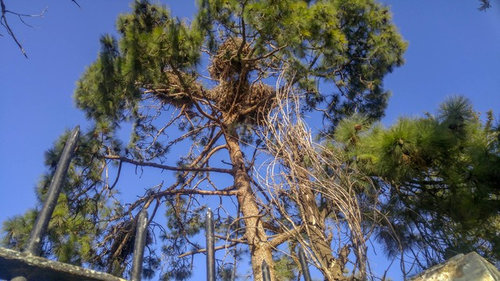
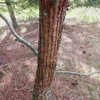
help in Identifing a Pine Tree
9 years ago
Featured Answer
Sort by:Oldest
Comments (20)
- 9 years ago
Related Professionals
Rome Landscape Architects & Landscape Designers · Stamford Landscape Architects & Landscape Designers · Magnolia Landscape Contractors · Sugar Land Landscape Contractors · Middletown Landscape Contractors · North Adams Landscape Contractors · Nashua Landscape Contractors · Westerly Landscape Contractors · Temecula Landscape Contractors · Carson City Landscape Contractors · Poplar Bluff Home Builders · Tulsa Home Builders · Jackson Home Builders · Corpus Christi Home Builders · Lima Home Builders- 9 years ago
 9 years ago
 9 years ago
- 9 years agolast modified: 9 years ago
- 9 years ago
- 9 years ago
- 9 years agolast modified: 9 years ago
- 9 years ago
- 9 years agolast modified: 9 years ago
- 9 years ago
- 9 years ago
- 9 years ago
- 9 years ago
- 9 years agolast modified: 9 years ago
- 9 years ago

Related Stories
WINTER GARDENINGHow to Help Your Trees Weather a Storm
Seeing trees safely through winter storms means choosing the right species, siting them carefully and paying attention during the tempests
Full Story
PRODUCT PICKSGuest Picks: Help Your Home Blossom With Floral Decor
Sprinkle hints of spring around your rooms with fabrics, wall coverings and more that recall nature's charms
Full Story
CHRISTMASBuild a Refreshingly Alternative Plywood Christmas Tree
Let others have their traditional pine. This wooden version you make yourself celebrates modern DIY style
Full Story
ORGANIZINGHelp for Whittling Down the Photo Pile
Consider these 6 points your personal pare-down assistant, making organizing your photo collection easier
Full Story
EARTH DAYHow to Help Your Town’s Beneficial Birds and Bugs
Make a habitat using local materials to provide a home to the creatures that help our gardens
Full Story
COLORPick-a-Paint Help: How to Create a Whole-House Color Palette
Don't be daunted. With these strategies, building a cohesive palette for your entire home is less difficult than it seems
Full Story
PETS6 Ways to Help Your Dog and Landscape Play Nicely Together
Keep your prized plantings intact and your dog happy too, with this wisdom from an expert gardener and dog guardian
Full Story
SELLING YOUR HOUSE10 Low-Cost Tweaks to Help Your Home Sell
Put these inexpensive but invaluable fixes on your to-do list before you put your home on the market
Full Story
GARDENING GUIDESTree Care: Common Tree Diseases and What to Do About Them
Learn to recognize trees that may be affected by diseases or pests so you can quickly take action
Full Story
HOLIDAYSHoliday DIY: Sweet and Festive Pine Cone Garland
Make a gilded pine cone decoration using a few simple materials
Full Story
Smivies (Ontario - 5b)