

Sand to break up clay....
9 years ago
Featured Answer
Sort by:Oldest
Comments (9)
 9 years agolast modified: 9 years ago
- PRO9 years ago
Related Professionals
Keene Landscape Architects & Landscape Designers · Vancouver Landscape Architects & Landscape Designers · Grand Island Landscape Contractors · Youngstown Landscape Contractors · Florence Architects & Building Designers · DeRidder Architects & Building Designers · Starkville Architects & Building Designers · Beckley Architects & Building Designers · Niles Architects & Building Designers · Hackettstown Architects & Building Designers · Brattleboro Architects & Building Designers · Mission Viejo Architects & Building Designers · Pueblo Architects & Building Designers · Eureka Architects & Building Designers · Bismarck Architects & Building Designers- 9 years ago
- 9 years agolast modified: 9 years ago
- 9 years ago
 9 years ago
- 9 years agolast modified: 9 years ago
 8 years ago
Related Stories
MOST POPULARThe Polite House: On ‘No Shoes’ Rules and Breaking Up With Contractors
Emily Post’s great-great-granddaughter gives us advice on no-shoes policies and how to graciously decline a contractor’s bid
Full Story
GARDENING GUIDES4 Ways to Break the Rules in Your Garden
For a more creative landscape design, take a different approach to planting
Full Story
MOST POPULARA Fine Mess: How to Have a Clean-Enough Home Over Summer Break
Don't have an 'I'd rather be cleaning' bumper sticker? To keep your home bearably tidy when the kids are around more, try these strategies
Full Story
GARDENING GUIDESHow to Stop Worrying and Start Loving Clay Soil
Clay has many more benefits than you might imagine
Full Story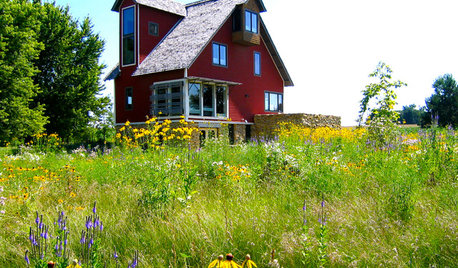
GARDENING GUIDESGardening Solutions for Heavy Clay Soils
What’s a gardener to do with soil that’s easily compacted and has poor drainage? Find out here
Full Story
DECORATING GUIDES7 Design Rules and Why You Should Break Them
Think tile is only for kitchens and bathrooms? Art should hang at eye level? Time to consider breaking these old rules
Full Story
HOUZZ TOURSHouzz Tour: A Jersey Shore Beach House Breaks Free
Shedding its dismal and oppressive rooms for a gloriously radiant outlook, this weekend home finds the light
Full Story
LIFEHouzz Call: How Are You Handling the Record-Breaking Cold?
Share your tales, strategies and photos for everything polar vortex
Full Story
BUDGET DECORATING15 Summery Decorating Ideas That Won't Break the Bank
Transport yourself seaside with a bit of paint or a few airy accessories
Full Story
GREEN BUILDINGThe Big Freeze: Inventors Break New Ground to Keep Things Cool
Old-fashioned fridges can be energy guzzlers, but there are more eco-friendly ways of keeping food fresh, as these global innovations show
Full Story

gardengal48 (PNW Z8/9)