

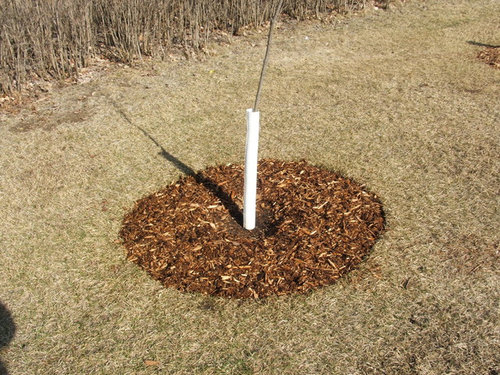
Fertilizing after mulching possible?
9 years ago
last modified: 9 years ago
Sort by:Oldest
Comments (4)
Related Stories

GARDENING GUIDESGet on a Composting Kick (Hello, Free Fertilizer!)
Quit shelling out for pricey substitutes that aren’t even as good. Here’s how to give your soil the best while lightening your trash load
Full Story
GARDENING GUIDESHow to Pick a Mulch — and Why Your Soil Wants It
There's more to topdressing than shredded wood. Learn about mulch types, costs and design considerations here
Full Story
GARDENING GUIDESLowly Mulch Makes Magic in the Garden
Find out why you should be mulching your garden beds and what material is right for your site
Full Story
GARDENING GUIDESNew Ways to Think About All That Mulch in the Garden
Before you go making a mountain out of a mulch hill, learn the facts about what your plants and soil really want
Full Story
GARDENING GUIDESThe Art of Green Mulch
You can design a natural garden that doesn’t rely on covering your soil with wood and bark mulch
Full Story
FRONT YARD IDEASBefore and After: Front Lawn to Prairie Garden
How they did it: Homeowners create a plan, stick to it and keep the neighbors (and wildlife) in mind
Full Story
GARDENING GUIDESCommon Myths That May Be Hurting Your Garden
Discover the truth about fertilizer, soil, staking and more to keep your plants healthy and happy
Full Story
GARDENING GUIDESHow to Switch to an Organic Landscape Plan
Ditch the chemicals for a naturally beautiful lawn and garden, using living fertilizers and other nontoxic treatments
Full Story
GARDENING GUIDESHow to Keep Your Citrus Trees Well Fed and Healthy
Ripe for some citrus fertilizer know-how? This mini guide will help your lemon, orange and grapefruit trees flourish
Full Story
HOLIDAYS10 Ways Your Christmas Tree Can Live On After the Holidays
Learn how to recycle your Christmas tree and reap benefits for the environment
Full Story
brandon7 TN_zone7
edlincoln
Related Professionals
Ashland Landscape Architects & Landscape Designers · Somerset Landscape Architects & Landscape Designers · Gulfport Landscape Architects & Landscape Designers · Cincinnati Landscape Architects & Landscape Designers · Rockford Landscape Architects & Landscape Designers · Bennington Landscape Architects & Landscape Designers · York Landscape Architects & Landscape Designers · Wilmington Landscape Contractors · Port Saint Lucie Landscape Contractors · Indianapolis Landscape Contractors · Sioux City Landscape Contractors · Boston Landscape Contractors · Lubbock Landscape Contractors · Eugene Landscape Contractors · Newark Home Additionsken_adrian Adrian MI cold Z5
UserOriginal Author