

Slow growth
9 years ago
last modified: 9 years ago
Featured Answer
Sort by:Oldest
Comments (10)
 9 years ago
Related Professionals
Florence Landscape Architects & Landscape Designers · Fayetteville Landscape Architects & Landscape Designers · Tulsa Landscape Architects & Landscape Designers · Rock Hill Landscape Architects & Landscape Designers · San Marcos Landscape Architects & Landscape Designers · Lansing Landscape Architects & Landscape Designers · Binghamton Landscape Architects & Landscape Designers · Providence Landscape Architects & Landscape Designers · Winona Landscape Contractors · Lubbock Landscape Contractors · Fall River Accessory Dwelling Units · Allentown Accessory Dwelling Units · Brattleboro Accessory Dwelling Units · Kahului Accessory Dwelling Units · Anchorage Accessory Dwelling Units 9 years ago
 9 years ago
 9 years ago
- 9 years agolast modified: 9 years ago
- 9 years ago
- 9 years ago
- 9 years ago
Related Stories
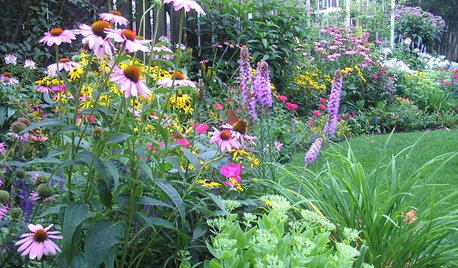
LANDSCAPE DESIGNTry Slow Gardening for Some Unexpected Benefits
Why set your garden on the fast track? Here's how to relax and enjoy it in an entirely new way
Full Story
INSIDE HOUZZHow’s Your Business Doing? A Houzz Survey Shows a Positive Outlook
Revenues grew for 70 percent of home design professionals last year, and many are expecting continued growth
Full Story
GARDENING GUIDESCalifornia Gardener: What to Do in July
Active green thumb or not, top priorities for peak fruit and veggie season: watering, feeding, keeping up with growth
Full Story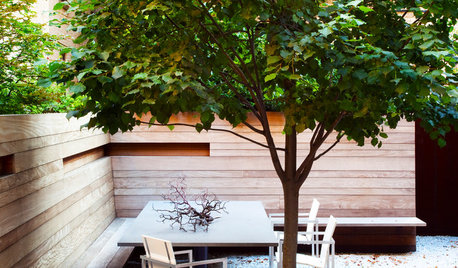
LANDSCAPE DESIGNPretty Trees for Patios, Paths and Other Tight Spots
Choose trees for their size, shape and rate of growth — or shape them to fit your space. Here's how to get started
Full Story
COLORGuest Picks: Colorful and Quirky Spring Décor
These 20 decorative pieces bring the happy colors of flowers and fresh growth indoors
Full Story
EDIBLE GARDENS8 Last-Minute Additions to a Summer Edible Garden
It’s not too late to get these vegetables and herbs planted for a bountiful harvest this year
Full Story
GARDENING GUIDESGreat Design Plant: Rocky Mountain Bristlecone Pine
Try this drought-tolerant small evergreen for its sculptural beauty and slow-growing nature
Full Story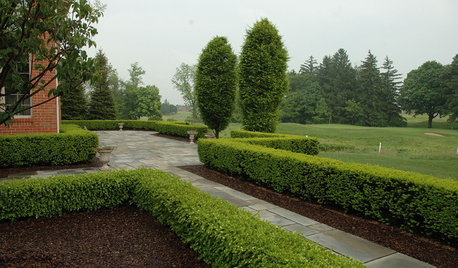
GARDENING GUIDESGreat Design Plant: Boxwood
This elegant evergreen can shape shift into forms limited only by a gardener's imagination and a clipper's reach
Full Story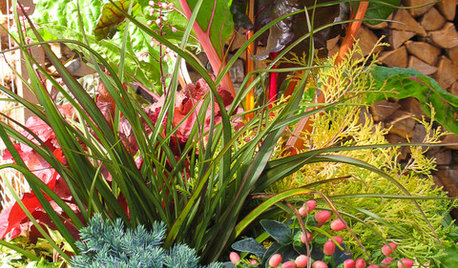
PLANTING IDEASStretch the Budget, Seasons and Style: Add Conifers to Your Containers
Small, low-maintenance conifers are a boon for mixed containers — and you can transplant them to your garden when they’ve outgrown the pot
Full Story
GARDENING AND LANDSCAPINGHow to Give Your Garden More Soul
Feel more at home in your garden by giving it deep, personal meaning
Full Story

gardengal48 (PNW Z8/9)