

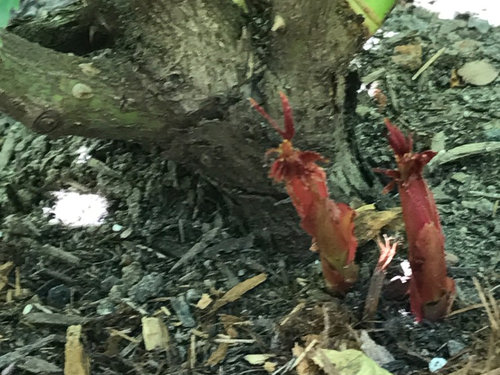
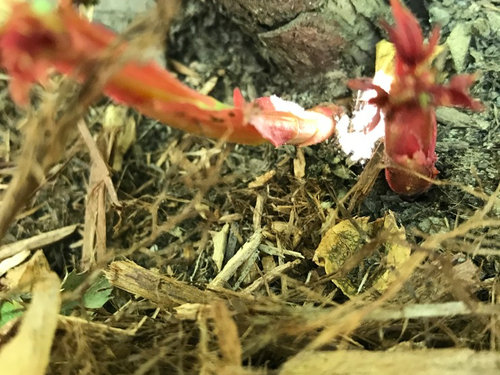
Root stock or basal
9 years ago
Featured Answer
Sort by:Oldest
Comments (11)
 9 years agolast modified: 9 years ago
Related Professionals
Decatur Landscape Architects & Landscape Designers · Jacksonville Landscape Architects & Landscape Designers · Hopkinsville Landscape Architects & Landscape Designers · Torrington Landscape Architects & Landscape Designers · Manchester Landscape Architects & Landscape Designers · Salinas Landscape Architects & Landscape Designers · Valdosta Landscape Contractors · Bartlesville Landscape Contractors · Sioux Falls Landscape Contractors · Bismarck Landscape Contractors · Wenatchee Landscape Contractors · Willmar Home Builders · Worthington Home Builders · Lake Havasu City Home Builders · Twin Falls Home Builders 9 years ago
- 9 years ago
 9 years agolast modified: 9 years ago
- 9 years ago
- 9 years agolast modified: 9 years ago
- 9 years ago
- 9 years ago
- 9 years ago
- 9 years ago


Related Stories

ARCHITECTURERoots of Style: Do You Live in a Minimalist Traditional House?
Cottages, bungalows, farmhouses ... whatever you call them, houses in this style share several characteristics. See how many your house has
Full Story
GARDENING GUIDESThe Beauty of Bare-Root Plants
Plant dormant trees and shrubs in fall using the easy, affordable bare-root method and enjoy beautiful results in spring
Full Story
ARCHITECTURERoots of Style: The Eclectic American Foursquare
The turn-of-the-20th-century style transitioned U.S. residential architecture from the Victorian era to the modern age
Full Story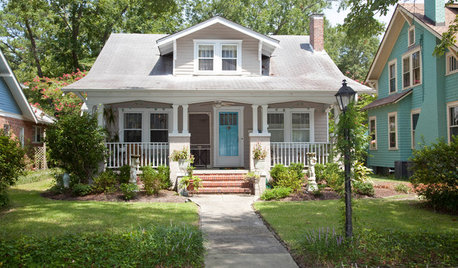
ARCHITECTURERoots of Style: Origins and Interpretations of the Bungalow
Bungalows translate effortlessly across continents and cultures to adapt comfortably to many styles and regions
Full Story
ARCHITECTURERoots of Style: Midcentury Styles Respond to Modern Life
See how postwar lifestyles spawned a range of styles, including minimalist traditional, ranch, split level and modern shed. What's next?
Full Story
FURNITUREWood Furniture Has Root Cause
Sustainability is just the beginning with Robin Wade's lovingly made 'rustic modern' wood furnishings
Full Story
SHOP HOUZZHouzz Products: Stock Your Kitchen for Autumn
Serve hearty meals with a side of style by gathering up these fall-perfect pots, linens, serving pieces and kitchen tools
Full Story
LOFTSHouzz Tour: Asian Elegance With an Industrial Edge
Once a grocery warehouse, this Denver loft is now stocked with a mix of dramatic, raw and refined pieces
Full Story
REGIONAL GARDEN GUIDESNortheast Gardener's April Checklist
Revel in the wonders of spring by babying bulbs, sprinkling seeds for root crops and setting out some nibbles for the birds
Full Story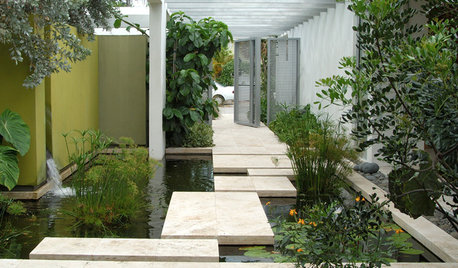
LANDSCAPE DESIGN8 Modern-Day Moats That Float Our Boats
See how a simple water barrier with ancient roots can make for an eye-catching contemporary garden feature
Full Story


Moses, Pitt PA, cold W & warm/humid S z6