

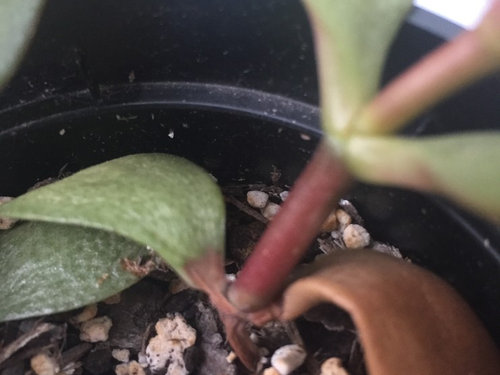
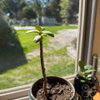
Succulents suddenly dying!!
9 years ago

Featured Answer
Sort by:Oldest
Comments (8)
 9 years ago
 9 years ago
Related Professionals
Bowling Green Landscape Architects & Landscape Designers · Wenatchee Landscape Architects & Landscape Designers · Jackson Landscape Architects & Landscape Designers · Magnolia Landscape Contractors · Gulfport Landscape Contractors · McComb Landscape Contractors · Wilmington Landscape Contractors · Charleston Landscape Contractors · Rock Hill Landscape Contractors · Fargo Landscape Contractors · Watertown Landscape Contractors · Glenwood Springs Landscape Contractors · Wichita Falls General Contractors · Detroit General Contractors · Billings General Contractors 9 years agolast modified: 9 years ago
- 9 years ago
- 9 years agolast modified: 9 years ago
 9 years ago
- 9 years ago

Related Stories
LIFEWhen You're Suddenly Solo at Home
Whether you stay in a home alone or move on, these strategies from professional organizers can help you with the process
Full Story
ARCHITECTURETrailblazing Architect Zaha Hadid Dies at 65
In 2004, Hadid became the first woman to win architecture’s highest honor, the Pritzker Prize
Full Story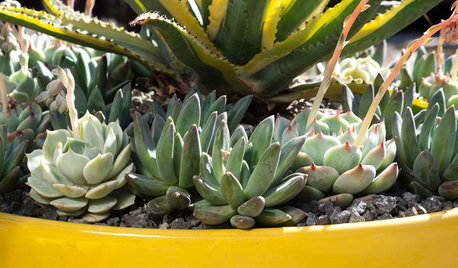
CONTAINER GARDENS3 Steps to Creating Quick, Easy and Colorful Succulent Containers
Take a bright container, add a colorful succulent or two and have a professional, summery design in minutes
Full Story
GARDENING GUIDES10 Creative Ideas for Cactus and Succulent Gardens
Arrange cactuses and succulents amid salvaged treasures, against a vibrant painted wall or in terraced beds
Full Story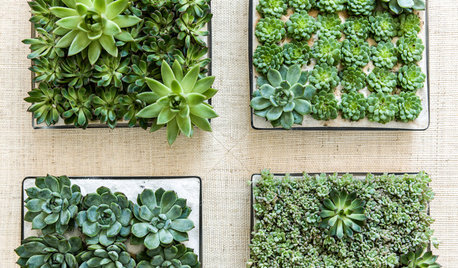
GARDENING GUIDESSucculents in Containers: The Ultimate Easy-Care Mini Garden
Show off your succulent collection with these 10 container design ideas for indoors or outside
Full Story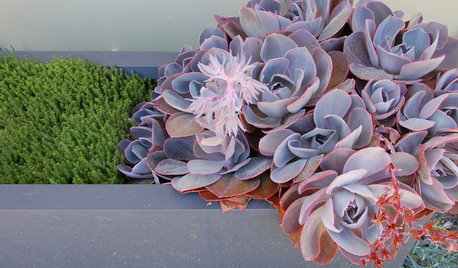
SUCCULENTSGrow a Garden of Succulents for Easy Beauty
Low-water plants in a wide range of colors, shapes and sizes? Sign us up — and check out our faves here
Full Story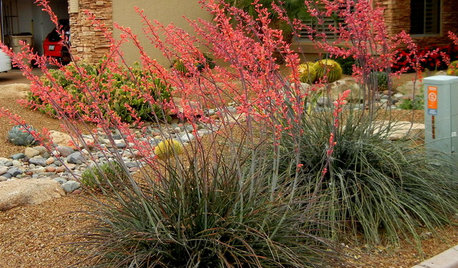
GARDENING GUIDES10 Cold-Hardy Succulents for Cool-Season Interest
These attractive plants shrug off colder temperatures, and many can be brought inside in containers in extra-chilly climates
Full Story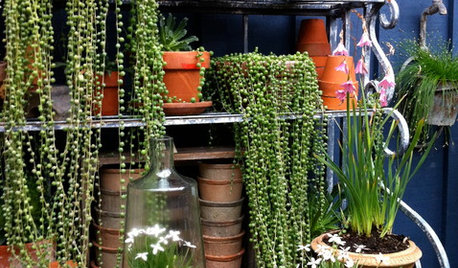
HOUSEPLANTSCascading Succulents Bring Fun Shapes to Your Indoor Garden
For eye-catching spillers with delicate beauty and minimal needs, it's hard to beat these 2 trailing houseplants
Full Story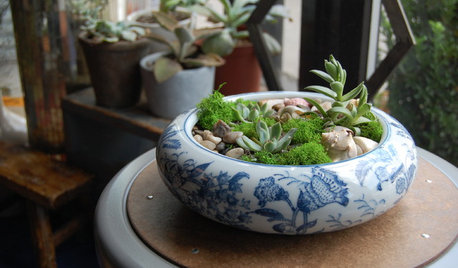
DIY PROJECTSQuick DIY Project: 3 Ways to Show Off Your Succulents
Create a simple yet lush vignette with a few plants and some everyday items
Full Story
Indoor Gardening: Herbs and Succulents
Pop easy-care plants in a sunny window for beauty, fragrance and flavor all year
Full Story

Amynoacids (z6 MI)