

Controlling May/June Beetles
9 years ago
Featured Answer
Sort by:Oldest
Comments (8)
- 9 years ago
Related Professionals
Baltimore Landscape Architects & Landscape Designers · Salisbury Landscape Architects & Landscape Designers · Charleston Landscape Architects & Landscape Designers · New Bedford Landscape Architects & Landscape Designers · Portland Landscape Architects & Landscape Designers · Eau Claire Landscape Architects & Landscape Designers · Lancaster Landscape Architects & Landscape Designers · Olympia Landscape Architects & Landscape Designers · Beaumont Landscape Contractors · Middletown Landscape Contractors · Orange County Landscape Contractors · San Angelo Landscape Contractors · Montréal Landscape Contractors · Evansville Home Additions · Spartanburg Home Additions- 9 years ago
 9 years ago
- 9 years ago
- 9 years ago


Related Stories
GARDENING GUIDESSoutheast Gardener: What to Do in June
Get your snippers out to protect your roses from beetles and harvest lavender from the landscape. It's a glorious month for Southern gardens
Full Story
GARDENING GUIDESTexas Gardener's June Checklist
Win the battle against heat and drought with these plant picks and extra effort, for a garden that reigns supreme in summer
Full Story
GARDENING GUIDESThese Hummingbird-Attracting Native Plants May Surprise You
These flowers, vines and shrubs offer shelter and food supplies that keep hummingbirds around longer
Full Story
GARDENING GUIDESPacific Northwest Gardener: What to Do in June
Now's the time to prune pines and vines, prevent pests and buy June-blooming plants to keep your garden healthy and beautiful
Full Story
GARDENING GUIDESCalifornia Gardener's June Checklist
Update your hydrangeas, catch up on tomatoes and more ways to enjoy your California garden in June
Full Story
REGIONAL GARDEN GUIDESGreat Lakes Gardener's June Checklist
Hear the berries beckoning? Pluck them while enjoying the wealth of garden blossoms and maybe kicking out a few bugs this month
Full Story0
REGIONAL GARDEN GUIDESDelight in Summer’s Garden Glories — Here’s What to Do in June
Wherever you live in the United States, these guides can help you make the most of your summer garden
Full Story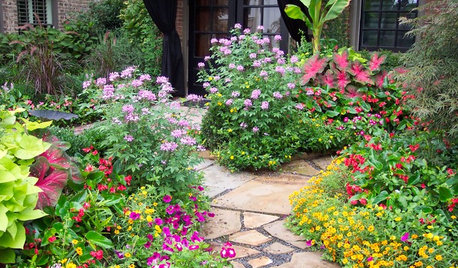
GARDENING GUIDESTexas Gardener: What to Do in June
Don't be discouraged by the dry summer heat — hardy plants, container gardens and smart watering can help landscapes thrive
Full Story0
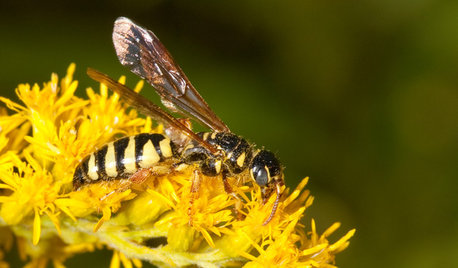
GARDENING GUIDESAttract Thynnid Wasps With Summer-Flowering Native Plants
These beneficial insects will hunt damaging beetle grubs in your lawn
Full Story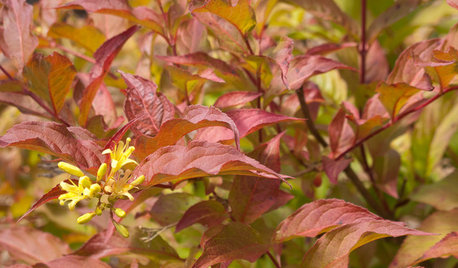
GARDENING GUIDESGreat Design Plant: Northern Bush Honeysuckle, a Bronze Beauty
It helps control erosion and takes sun or shade. The butterflies love it. But the best part of this shrub may be the vivid foliage
Full Story


arbordave (SE MI)