

Filterless range hoods?
9 years ago
Sort by:Oldest
Comments (4)
Related Stories
SHOP HOUZZUp to 75% Off Range Hoods
Improve airflow and add smart style with these designs
Full Story0
SHOP HOUZZRange Hoods With Free Shipping
Choose a stylish design for this staple appliance
Full Story0
SHOP HOUZZUp to 55% Off Kitchen Appliances and Range Hoods
Essentials for the prepared and polished host
Full Story0
SHOP HOUZZTrade Pricing: Range Hoods
Premium over-the-island, undercabinet and wall-mount range hoods
Full Story0
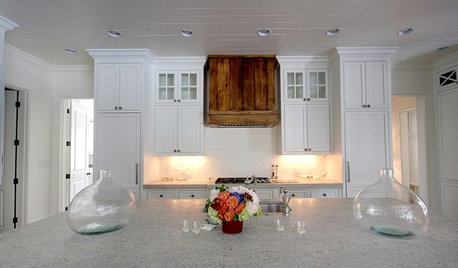
KITCHEN DESIGNWood Range Hoods Naturally Fit Kitchen Style
Bring warmth and beauty into the heart of your home with a range hood crafted from nature's bounty
Full Story
KITCHEN DESIGN10 Terrific New Ideas for Wrapped Range Hoods
See how designers use various materials and ornamentation to play up or play down a covered kitchen range hood
Full Story
KITCHEN MAKEOVERSZinc Range Hood and a Limestone Fireplace Create a Timeless Look
A designer uses weathered materials to fashion a new classic kitchen for her family in Walnut Creek, California
Full Story
WHITE KITCHENSRoom of the Day: Soothing Kitchen With a Clever Range Hood Hack
Creamy whites and neutral accents keep this kitchen understated. A design trick makes the hood look more expensive
Full Story
KITCHEN APPLIANCESDisappearing Range Hoods: A New Trend?
Concealed exhaust fans cut visual clutter in the kitchen
Full Story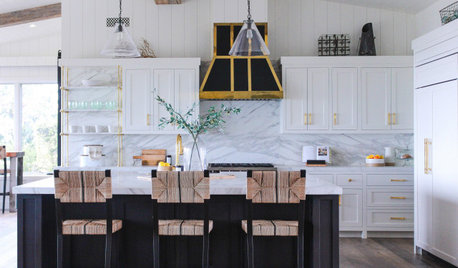
KITCHEN DESIGN15 Statement Range Hoods to Inspire Your Kitchen Remodel
See how 15 range hoods add personality and an intentionally designed look to their kitchens
Full Story
barnaclebob
kaseki
Related Professionals
Dover Kitchen & Bathroom Designers · Gulfport Kitchen & Bathroom Designers · Hattiesburg Kitchen & Bathroom Designers · Bismarck Kitchen & Bathroom Designers · Bend Kitchen & Bathroom Designers · Bloomington Bathroom Remodelers · Cincinnati Bathroom Remodelers · San Antonio Bathroom Remodelers · Glenwood Springs Bathroom Remodelers · Lafayette Kitchen Remodelers · Raleigh Kitchen Remodelers · Lima Kitchen Remodelers · Williamsport Kitchen Remodelers · Portland Kitchen Remodelers · Cornwall Kitchen Remodelersbarryv_gwOriginal Author
kaseki