

Moldy Pea Vines
9 years ago
Sort by:Oldest
Comments (6)
Related Stories
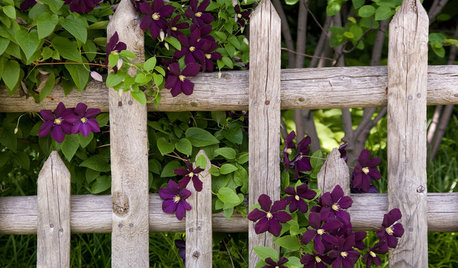
GARDENING GUIDES8 Romantic Spring-Flowering Vines to Cover a Trellis
See top choices that offer gorgeous blooms, intoxicating fragrance and benefits to pollinators
Full Story
GARDENING GUIDESGreat Design Plant: Lilac Vine for a Purple Profusion in Winter
Grow this pretty, hardy vine on a fence or as a ground cover for blooms throughout the colder months
Full Story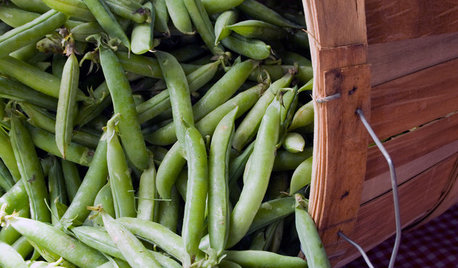
COOL-SEASON CROPSCool-Season Vegetables: How to Grow Peas
Their sweetness isn't just for spring. Peas thrive in cool weather too, adding a garden-fresh note to soups, salads and more through fall
Full Story
FLOWERS AND PLANTSEvoke the Mid-Atlantic’s Indigenous Landscape With These 7 Vines
Use these natives to fill gaps, create a shady cover or add a vertical element
Full Story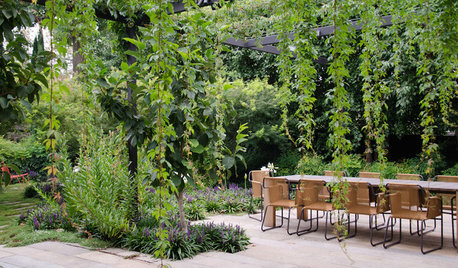
LANDSCAPE DESIGNSee 5 Unexpected Ways to Use Vines
Vines can grow over slopes, trail off pergolas and add seasonal color to the garden
Full Story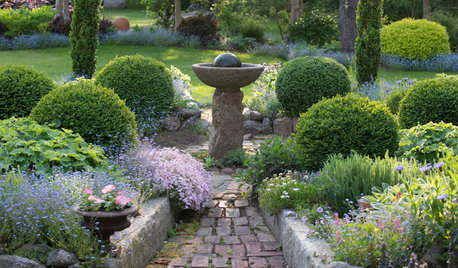
LANDSCAPE DESIGN9 Garden Structures Offer Year-Round Interest
Add four-season appeal to beds and give vines a place to climb with one of these pretty garden elements
Full Story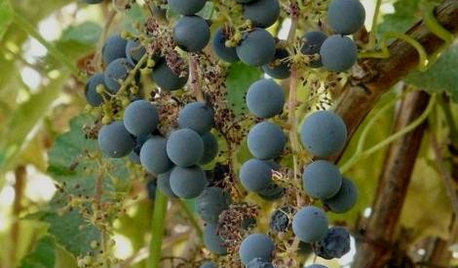
GARDENING GUIDESGreat Design Plant: Try California Wild Grape for Interest All Year
Sure, it’s stunning in fall. But the spring buds, summer grapes and gnarled winter vines are gorgeous too
Full Story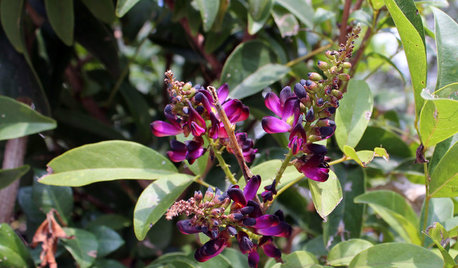
GARDENING GUIDESGreat Design Plant: Millettia Reticulata
Large purple flower clusters grace this robust climbing vine
Full Story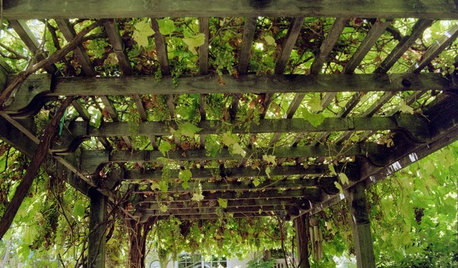
GARDENING AND LANDSCAPINGVertical Gardens Raise the Limits for Landscapes
Turn a small garden space into a towering success with an upward-bound collection of edible delights
Full Story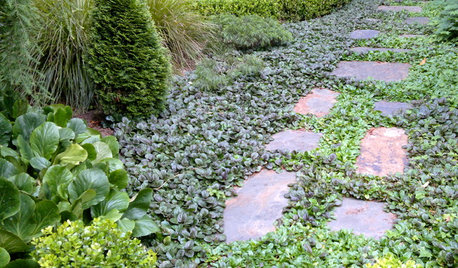
GROUND COVERSGround Force: 10 Top Ground Covers for Your Garden
Protect your soil from weeds and drought this summer with a living mulch of ground covers
Full Story

daninthedirt (USDA 9a, HZ9, CentTX, Sunset z30, Cfa)
wvbetsyOriginal Author
Related Professionals
Panama City Landscape Architects & Landscape Designers · Covington Landscape Architects & Landscape Designers · Memphis Landscape Architects & Landscape Designers · Pueblo Landscape Architects & Landscape Designers · Mountain Home Landscape Contractors · Mount Vernon Landscape Contractors · Great Bend Landscape Contractors · Murfreesboro Landscape Contractors · Ontario Landscape Contractors · Asheville Accessory Dwelling Units · Beatrice Accessory Dwelling Units · Omaha Accessory Dwelling Units · Jamestown Accessory Dwelling Units · Los Angeles Accessory Dwelling Units · Lagrange Accessory Dwelling Unitsdaninthedirt (USDA 9a, HZ9, CentTX, Sunset z30, Cfa)
theforgottenone1013 (SE MI zone 5b/6a)
Embothrium
rgreen48