

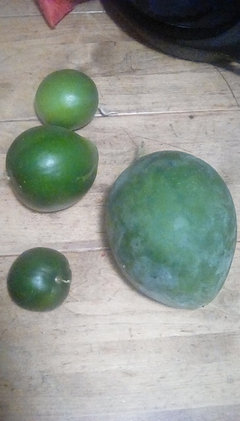
Polishing watermelons
9 years ago
last modified: 9 years ago
Featured Answer
Sort by:Oldest
Comments (14)
 9 years ago
Related Professionals
Jacksonville Landscape Architects & Landscape Designers · Westerly Landscape Architects & Landscape Designers · Bennington Landscape Architects & Landscape Designers · Santa Maria Landscape Architects & Landscape Designers · Mountain Home Landscape Contractors · Joplin Landscape Contractors · Gulfport Landscape Contractors · Vineland Landscape Contractors · San Antonio Landscape Contractors · Dubuque Landscape Contractors · Port Saint Lucie Accessory Dwelling Units · Richmond Accessory Dwelling Units · Owensboro Accessory Dwelling Units · Muskegon Accessory Dwelling Units · Sanford Accessory Dwelling Units- 9 years ago
- 9 years agolast modified: 9 years ago
- 9 years agolast modified: 9 years ago
- 9 years ago
- 9 years ago
- 9 years ago
- 9 years ago
- 9 years ago
- 9 years agolast modified: 9 years ago
 9 years ago
 9 years agolast modified: 9 years ago
- 9 years ago


Related Stories
MOST POPULAR6 Kitchen Flooring Materials to Boost Your Cooking Comfort
Give your joints a break while you're standing at the stove, with these resilient and beautiful materials for kitchen floors
Full Story
KITCHEN DESIGNKitchen Counters: Elegant, Timeless Marble
Ever classic and with unrivaled beauty, marble countertops bespeak quiet luxury in the kitchen — with a few caveats
Full Story
MOST POPULAR8 Great Kitchen Cabinet Color Palettes
Make your kitchen uniquely yours with painted cabinetry. Here's how (and what) to paint them
Full Story
LIFEHouzz Call: Houseguest Horrors
In the new film ‘Mother!,’ hell breaks loose when visitors drop by Jennifer Lawrence’s remodeled abode. Can you relate?
Full Story
FUN HOUZZDon’t Be a Stickybeak — and Other Home-Related Lingo From Abroad
Need to hire a contractor or buy a certain piece of furniture in the U.K. or Australia? Keep this guide at hand
Full Story
BATHROOM DESIGNGive a Little Glitz for the Bath
Houzz Gift Guide 2010: What to Give Your Spa-Loving Friends
Full Story
MOST POPULAR4 Obstacles to Decluttering — and How to Beat Them
Letting go can be hard, but it puts you more in control of your home's stuff and style. See if any of these notions are holding you back
Full Story
LANDSCAPE DESIGNNatural Swimming Pools: More Beauty, No Chemicals
Keep your skin and the environment healthy with a pool that cleans itself, naturally
Full Story
LIFETable Manners for Modern-Day Dining
Elbows and cell phones? Maybe. Forgetting to say 'thank you'? No way. Our mealtime etiquette guide takes the guesswork out of group dining
Full Story
KITCHEN DESIGN7 Steps to Pantry Perfection
Learn from one homeowner’s plan to reorganize her pantry for real life
Full Story

vgkg Z-7 Va