

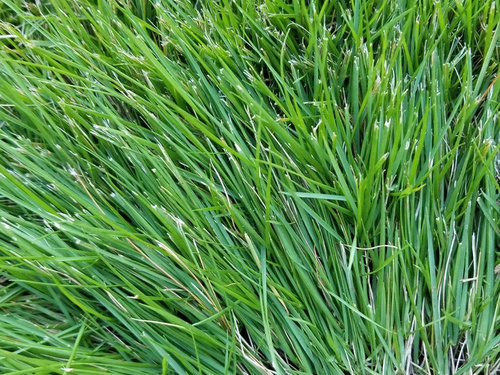
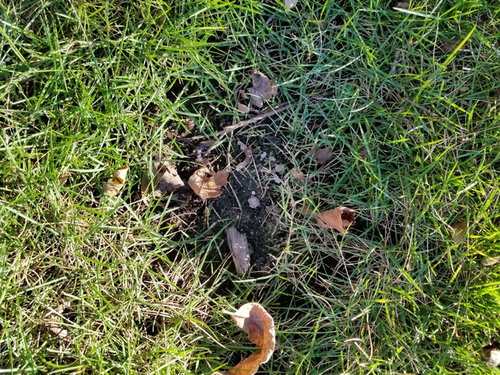
Help ID Grass and help with bare spots
9 years ago
last modified: 9 years ago
Sort by:Oldest
Comments (7)
Related Stories
FLOWERS AND PLANTSThis Sunny Yellow Flower Helps Fall Pollinators and Landscapes
Oligoneuron riddellii’s distinct grass-like leaves and bright flowers jazz up the garden in the upper Midwest and Central Plains
Full Story
PETSHow to Help Your Dog Be a Good Neighbor
Good fences certainly help, but be sure to introduce your pup to the neighbors and check in from time to time
Full Story
GARDENING AND LANDSCAPINGBe a Citizen Scientist to Help Wildlife, Learn and Have Fun Too
Track butterflies, study birds, capture stars ... when you aid monitoring efforts, you’re lending Mother Nature a hand
Full Story
LIFEYou Said It: ‘Put It Back’ If It Won’t Help Your House, and More Wisdom
Highlights from the week include stopping clutter from getting past the door, fall planting ideas and a grandfather’s gift of love
Full Story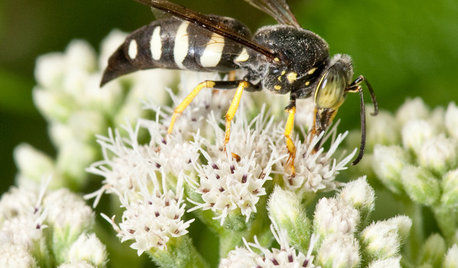
GARDENING GUIDESSand Wasps Keep True Bugs in Check and Help Pollinate Summer Flowers
Look for these solitary wasps nesting in sandy sites and foraging on flowers in July and August
Full Story
PETS6 Ways to Help Your Dog and Landscape Play Nicely Together
Keep your prized plantings intact and your dog happy too, with this wisdom from an expert gardener and dog guardian
Full Story
SELLING YOUR HOUSE10 Low-Cost Tweaks to Help Your Home Sell
Put these inexpensive but invaluable fixes on your to-do list before you put your home on the market
Full Story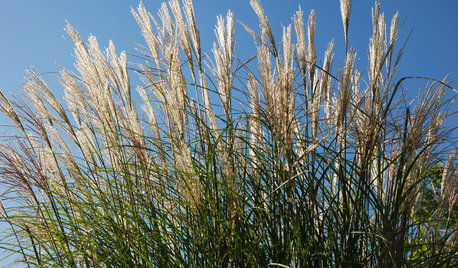
LIFEConsider Avoiding These Plants to Help Keep Your Garden Fire-Safe
Plants that accumulate dead material, are high in oil or have low moisture content in leaves put some homes at risk
Full Story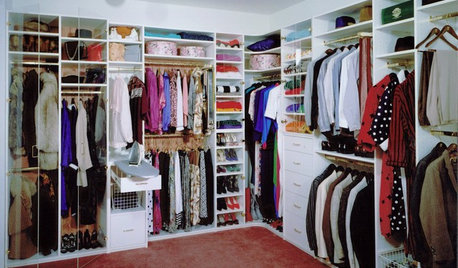
DECLUTTERINGDownsizing Help: How to Edit Your Belongings
Learn what to take and what to toss if you're moving to a smaller home
Full Story
MOST POPULAR7 Ways Cats Help You Decorate
Furry felines add to our decor in so many ways. These just scratch the surface
Full Story
dchall_san_antonio
michael lOriginal Author
Related Professionals
Zanesville Landscape Architects & Landscape Designers · Sioux City Landscape Architects & Landscape Designers · Minneapolis Landscape Architects & Landscape Designers · Portsmouth Landscape Architects & Landscape Designers · Albany Landscape Contractors · Enid Landscape Contractors · Springfield Landscape Contractors · Kingman Landscape Contractors · Washington Home Builders · Madison Home Builders · Enid Home Builders · Clarksburg Home Builders · Sierra Vista Home Builders · Kalispell Home Builders · Queens Home Buildersmichael lOriginal Author
dchall_san_antonio
michael lOriginal Author
dchall_san_antonio
Ted (Zone 4) IA