Software
Houzz Logo Print
mrospos

Removing large molding on plaster walls

9 years ago

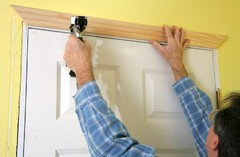
I am renovating my apartment, and am removing the 5 inch molding around the doors and windows. I'd like to replace it with 3 inch molding. However, my contractor says that if I do that, I risk the wall cracking where the wooden door jam/frame meets the plaster (since wood expands/contracts). But if I reinstall 5 inch molding, it will cover up where the wood meets the plaster and I won't see any cracks.


I absolutely do not want 5 inch molding, as that was the whole reason I removed it - it was just too large and heavy for such a small apartment.


Does anyone know of a way around this so that I can have 3 inch molding without running the risk of cracked walls?

Comments (39)

  • 9 years ago
    last modified: 9 years ago

    had you considered painting the larger molding the same color as the walls? its a good look. you could also replace your complicated 5" with simple(r) 5"

    Marisa Rospos thanked Judy Mishkin
  • 9 years ago

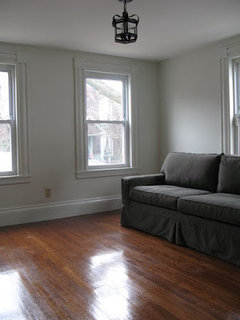
    Painting the original molding the same color isn't an option, since our contractor already removed the original molding. However, we still feel that 5 inches is just too large. It's a very tiny apartment (500 sq ft) - the rooms are 10x10. It just seems too overwhelming in such a small space. We really want to find a way to be able to do smaller moldings.

  • PRO
    9 years ago

    Why??????? Dumbest thing i have ever heard. Especially three inch. Paint it the WALL color. I guarantee it will visually shrink and disappear int to the walls. Use satin finish, on a flat finish wall color. Do NOT rip.

  • PRO
    9 years ago
    last modified: 9 years ago

    LOL!!!!!!! TOO LATE. Replace it with what was there, or call a very expensive plaster guy to fix all the walls. I can't even believe it.....

    How large do you think the rooms were a 150 years ago? There was no lousy three inch trim in them either.

    Paint the entire place ONE wall color, and one trim, the same but with finish change as above. What an unnecessary mess.

  • 9 years ago

    I appreciate the suggestions to paint everything one color, but I'm really looking for advice on how to repair the walls. I just don't want 5 inch molding, no matter how popular it was 150 years ago.

  • 9 years ago

    why don't you post a pic so we can see what you're talking about?

  • PRO
    9 years ago
    last modified: 9 years ago

    You NEED a plaster specialist. Not a drywall guy. They are not the same. Your walls are plaster over lathe. And while I understand what you think you want, you should not have removed it without a plan, and nor should your contractor, who now has no clue how to repair the damage.

    By the way....... all empty rooms appear small until they have furniture, just one reason realtors don't like to list empty space. If you are judging the moldings/casings in empty space? That is deceiving as to a final and painted outcome.

  • PRO
    9 years ago

    Where is Sophie.....................................

  • 9 years ago
    last modified: 9 years ago

    Our contractor is actually a plaster/skim coat guy. We were always intending on skim coating so we chose someone who specializes in this.


    Edited to add: I think this was a communication issue. Before demo we talked about replacing with smaller moldings. We meant going from 5 inch to 3 inch and he thought we were talking about depth (the moldings are 1.5 inches deep).

  • 9 years ago

    As for the size of the rooms, when we bought the apartment we saw it furnished. We are currently renting an apartment in the building across the street, which is the EXACT same layout as the apartment we are renovating, and it has 3 inch molding. So we have the unique experience of seeing it both ways.

  • PRO
    9 years ago
    last modified: 9 years ago

    If the contractor is plaster skilled, why are you asking? Skim coat refers to drywall and the "skim" over the taped repairs. Your contractor can either fix plaster walls, or he can not. In which case the entire post makes absolutely no sense : ) At all.

    A plaster wall will "crack" with the pounding in of a picture nail, unless done with the smallest possible nail and very light staccato taps. . To expect any less damage pulling molding/casings was a lot more than miscommunication. .......it's on him. Or get someone who can, or cover it up and have bigger casings.

    Unless you are converting all the plaster walls to drywall........you have repairs to be made. WITH PLASTER repair method and materials.

    https://www.thisoldhouse.com/how-to/how-to-fix-damaged-plaster

    Marisa Rospos thanked JAN MOYER
  • PRO
    9 years ago

    I knew I shouldn't have clicked on this thread. I hate it when people put personal preferences, bad choices at that, over stewardship.

  • PRO
    9 years ago

    Better you than Sophie, Joe : )

  • PRO
    9 years ago

    Thank you Sophie! We were sort of worried!!!

    Jan and on behalf of Joe who I am sure will not mind!

    Almost spit up lunch laughing:)

  • 9 years ago

    I guess I am wondering if even the most skilled plaster specialist can join plaster and wood? Or is it something that will just always eventually crack in a few years?

  • 9 years ago
    last modified: 9 years ago

    The coefficient of expansion of differing materials demands the restoration of the 5”.

  • PRO
    9 years ago

    Two people did not think this through. You have the best option above. It was a mistake to rip it. Period. No matter what the folks did in an apartment across the way. Two wrongs do not equal a right, sorry to say

  • 9 years ago
    last modified: 9 years ago

    From a layperson's point of view, I don't get it. Marisa:

    1. Did you check out the link that Jan Moyer gave re: plaster fixes? Yes. It's not only possible, but completely do-able, with great, lasting results. PLASTER? I envy you...

    2. If you are determined to do a 3" mold (ignoring contractor's advice for 5") AND you have the example right above your head then perhaps just inquire with the owners how they did it, and who did it. Then hire those folks- but make sure you are very, very sure that they preserved the plaster, rather than do a "plaster look" on drywall. Of course, you can see that, too.

    3. I agree with all others that you have an unique property that deserves some preservation. C'mon, now- you have what most people out there crave and try to affect- authentic features. Love them, don't fight them.

    2"? Unless your ceilings are 6' or lower, you won't even notice, once you move in.

    In any case, I appreciate that you're taking a beat tho think about this. I think you're about to come to the right decision for you- and I think it will be right for the property.

    Keep us posted.

  • 9 years ago

    Laurie - I did read Jan's link, several times. There wasn't anything about joining plaster to wood, just about fixing the cracks. That's why I was asking if it's even possible. I keep finding things online that say that where plaster meets wood there is always a risk of cracking. I guess I was trying to find some ways to avoid the plaster cracking?

  • 9 years ago

    You guys will (maybe?) be happy to hear that I'm keeping some of the original things - the original 1910 hardwood floors, the vegetable crisper (metal box inside the exterior brick wall), a wall safe, solid wood doors, etc.

  • PRO
    9 years ago

    Save the original molding so that a right-minded future occupant can correct your mistakes. To not do so is wanton destruction.

  • 9 years ago

    I'll just tell my son that he doesn't get a bedroom because we're storing molding in his room for the next 50 years. LOL.

  • 9 years ago

    Most of what's been written here is not how to deal with the plaster problems and install the molding you want, it's "don't do it."

    I have mixed feelings about this. Like many of the critics, I'm sad when I see historic houses "remuddled" (as Old House Journal used to say) so that they lose (at least some of) their character.

    But let's face it, not everyone is an old-house fan.

    Also, not every old house was built with the same level of distinction. Some are just plain houses that happen to be old.

    Others have already been modified and updated so much that there's not much left to preserve. At what point do you say that it's too late to go back? Is it ever too late? That depends on your budget, I guess. :)
    Maybe the change you're suggesting will mean that an old-house lover will pass it up when it's time for you to sell. Maybe that will affect its value. Maybe not.

    I don't think there's anything wrong with considering that question, nor with anyone here suggesting that's what you're in for. That way you make an informed decision.

    Although I personally wouldn't make this kind of change to a historic house, with all due respect to other posters, I won't say that it's a crime -- that is, barring historic preservation laws in your area that might protect historic sites from such changes.

    You (presumably) own the house, and have the right to do as you wish with it. If you've considered the consequences, and you still say "Yes, I understand, but this is the way I want it to look," I don't see the problem.


  • PRO
    9 years ago

    I do not understand the problem if your contractor is a plaster guy he should have known what he was getting into before this debacle started. Why do you now want us to fix this . I am with the rest on you should have kept the trim and had at least some kind of plan , wide molding does not make a space look smaller .

  • PRO
    9 years ago
    last modified: 9 years ago

    For heavens sake. Wood joins drywall with a bead of caulk. Wood will join the plaster repair in the same way. ......and yes, the tiniest bead of caulk may be required AFTER you put back the WIDER molding, as unless this guy who let you get into this mess without a clear understanding on all parts as to what you wanted/ what would be entailed......is able to reproduce the perfection of your other historic plaster walls.

    Otherwise, pull everything and all, slap up drywall, do the three inch trim, , and have the ordinary "drywall box" you may truly want. . That's what it comes down to.

  • 9 years ago

    I may be reading the OP wrong, but trim work goes over walls, not butted up to the wall, though often a bead of caulk will be necessary to fill gaps. Once the wall is repaired, the trim work goes on. Hopefully the old millwork, but the wall needs to be in good shape and the trim is held in place by finish nails that go into the wood stud behind the wall.

    Small trim looks off in an old house.


  • PRO
    9 years ago

    She's trying to put 90 % of the cookies back in the box, and have nobody notice the quantity decreased by 10 %................: ) Or mess up the wrapping which is now crumpled?

  • 9 years ago

    Marisa - I live in an old house with plaster walls that had, in a few spots, been replaced with drywall by earlier owners. During remodeling my GC had highly skilled guys who could repair both plaster and drywall as needed, and blend the two seamlessly. Their work has held up beautifully. Lesson learned? Find the right trades people (your GC's job). And don't worry, as jhmarie says, the trim goes on top of the plaster/drywall so small gaps at the door and window frames will be covered. Good luck in your new home.

  • 9 years ago

    Hi all! I'm not putting up drywall. All I'm doing is replacing molding. But I guess that means I'm destroying my apartment?? You guys are too funny! This is my forever home and we are not worried about resale value. My husband and I have saved for a combined 37 years so save up to buy a place of our own in the city that we love. We do not want to live in a "historic" apartment from 1910, but a fixer-upper was all we could afford. And we do not fear losing respect from "plenty of casual Bobs on the street." I mean, really, what a dumb reason to NOT live in the house you want - because people will no longer respect you because you took down some molding?? While the majority of the comments haven't been helpful, at least they were good for a few laughs. :)

  • 9 years ago
    last modified: 9 years ago

    Jan - I thought she had already pulled off some trim and damaged the walls and was just showing the anatomy of a door and casing for understanding the repair - which her GC should already know. - but I may be reading wrong.

    Outside of the mistake of taking off the old trim, the cost of repairing all the walls around all the door and window casings will be more than a nice vacation with your son.

  • 9 years ago

    It's actually cheaper to repair the walls and replace the moldings than it would have been to restore the old moldings. I did not realize before I started this project, but restoration is really expensive work!

  • PRO
    9 years ago

    Marisa - I almost hate to add to this. But, I am compelled, since I "restored" a 1900 Victorian home. "Restored" rather than "Remuddled"! haha! So, here's the deal. I hear you. You do not have to repair the wall behind the trim unless the cracking and crumbling extends past the 3" trim you want. Otherwise, the quick and dirty method is caulk around the window and fill any big openings with insulation if you can then place the new trim around window edge, nail in and hope you don't get more cracking or you could use contractors glue with minimal nailing, paint and final caulk. Simple, and I am not understanding your GCs not getting this easy process since you aren't restoring the original wood trim. Have you saved the trim, btw? It will bring some cash if you put it on Craig's list or other sales system, unless your GC has already "taken it of your hands"! Good luck. I wouldn't try to fix any cracking until you are done, because the installation will just cause more. Really depends on the condition of the original walls. Hope you get what you are looking for!

    Marisa Rospos thanked Flo Mangan
  • 9 years ago

    Wow...since the "pros" here just want to disrespect you I'll try and put my 2 cents in to help. Since you dont want large molding and you dont want the molding to match the wall color then yes by all means put up the 3" molding, the house wont die it'll be just fine. It sounds like you just need to repair any plaster thats there and then run the risk of cracking after the new plaster is up, and jump that hurdle if it comes to that

  • PRO
    9 years ago
    Kaitlyn- that is why I made the "pro" suggestions I made. Broad generalizations about "pros" disrespects those genuinely trying to help. All input has to be evaluated by the poster. I have found them very resilient and able to cull nuggets out of all inputs.
  • 9 years ago

    Flo - I was not referring to you, your comment I found very informative. I am referring to the others who instead of giving any useful information are just talking down to the OP. If you are a labeled a "Pro" you should be helpful and informative, not judgmental and put someone down for their design decision. And as I am trying to read through to broaden my knowledge their comments do not help me as a reader in any sort of fashion

  • PRO
    9 years ago

    I think this is one of those dilemmas that come around where the the poster has already made a mistake and now by some miracle we are supposed to fix it. Her contractor should be dealing with this not us making a bunch of comments that apparently are not wanted.

  • PRO
    9 years ago

    Since the decision has already been taken, my reply is to mitigate loss of original fabric and enable restoration in the future. Obviously someone has to advocate for the house since the OP is willfully blind to the harm.


  • PRO
    4 years ago

    There are literally millions of ’historic’ houses out here. As out country ages, we have to realize that either some get modernized or they will get overtaken by slovenly individuals and eventually bulldozed from lack of care.