

Viking hood with recirculating kit?
9 years ago
Featured Answer
Sort by:Oldest
Comments (6)
Related Professionals
Anderson Kitchen & Bathroom Designers · Harrisonburg Bathroom Remodelers · Bozeman Kitchen Remodelers · Cowansville Kitchen Remodelers · Hot Springs Interior Designers & Decorators · Monroe Interior Designers & Decorators · Saint Marys Interior Designers & Decorators · Jacksonville Architects & Building Designers · Lafayette Architects & Building Designers · Potsdam Kitchen & Bathroom Designers · Selma Kitchen & Bathroom Designers · Saint Cloud Kitchen & Bathroom Designers · Norfolk Kitchen Remodelers · Jonesboro Custom Countertops · San Jose Custom Countertops 9 years ago
- 9 years ago
Related Stories
KITCHEN APPLIANCESDisappearing Range Hoods: A New Trend?
Concealed exhaust fans cut visual clutter in the kitchen
Full Story
KITCHEN DESIGNWhat to Know When Choosing a Range Hood
Find out the types of kitchen range hoods available and the options for customized units
Full Story
KITCHEN DESIGNHow to Get Your Range Hood Right
Get a handle on the technical specs, and then learn about fun design options for creating a beautiful kitchen feature
Full Story
KITCHEN DESIGNHow to Choose the Right Hood Fan for Your Kitchen
Keep your kitchen clean and your home's air fresh by understanding all the options for ventilating via a hood fan
Full Story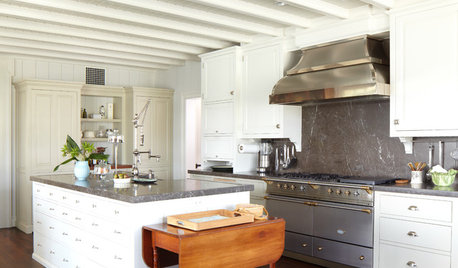
KITCHEN DESIGNHow to Find the Right Range for Your Kitchen
Range style is mostly a matter of personal taste. This full course of possibilities can help you find the right appliance to match yours
Full Story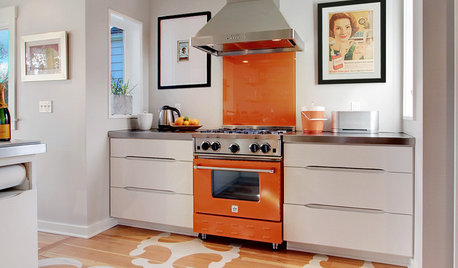
HOUSEKEEPINGHow to Clean Your Range and Oven
Experts serve up advice on caring for these kitchen appliances, which work extra hard during the holidays
Full Story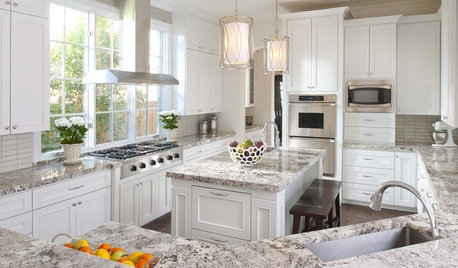
KITCHEN DESIGNGet Cookin' With the Right Microwave
Energy zapped from trying to pick a microwave model and location? This guide will fire up your decision making
Full Story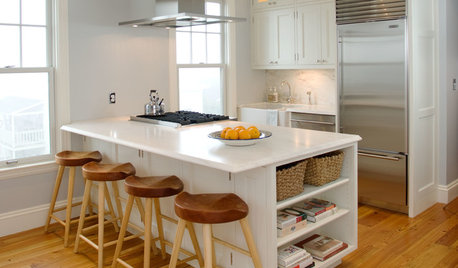
KITCHEN DESIGN20 Kitchen Must-Haves From Houzz Readers
We asked you to tell us your top kitchen amenities. See what popular kitchen features made the list
Full Story
KITCHEN DESIGN16 Practical Ideas to Borrow From Professional Kitchens
Restaurant kitchens are designed to function efficiently and safely. Why not adopt some of their tricks in your own home?
Full Story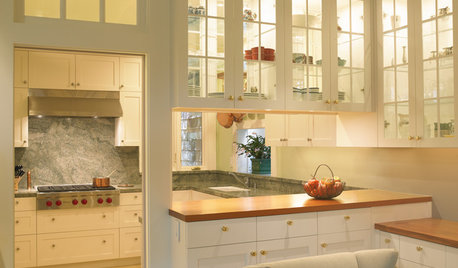
KITCHEN DESIGNHave Your Open Kitchen and Close It Off Too
Get the best of both worlds with a kitchen that can hide or be in plain sight, thanks to doors, curtains and savvy design
Full Story
User