

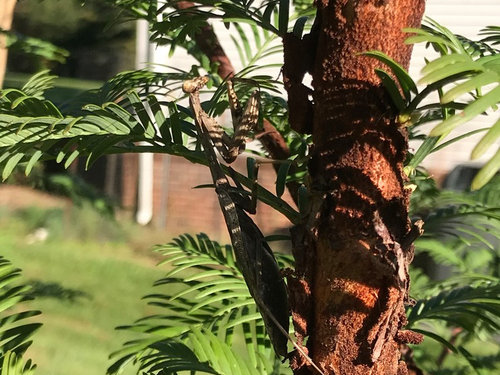
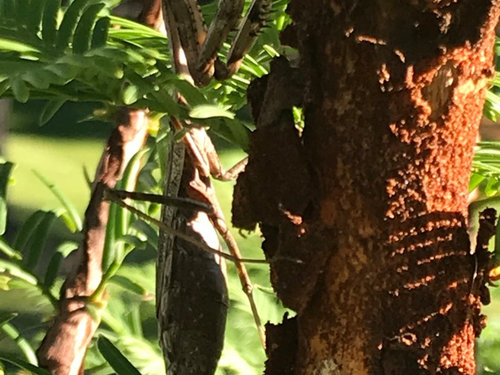
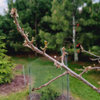
What is this critter?
9 years ago
Featured Answer
Sort by:Oldest
Comments (22)
 9 years agolast modified: 9 years ago
 9 years ago
Related Professionals
Cape Coral Landscape Architects & Landscape Designers · Port Saint Lucie Landscape Architects & Landscape Designers · Columbia Landscape Architects & Landscape Designers · Elgin Landscape Architects & Landscape Designers · Murrieta Landscape Architects & Landscape Designers · Westminster Landscape Contractors · McComb Landscape Contractors · Atlantic City Landscape Contractors · Reno Landscape Contractors · Lagrange Landscape Contractors · Orlando Home Additions · Waycross Home Additions · Ottumwa Home Additions · San Jose Home Additions · Farmington Home Additions- 9 years ago
- 9 years ago
- 9 years ago
- 9 years ago
- 9 years ago
- 9 years ago
 9 years ago
 9 years ago
- 9 years ago
 9 years ago
- 9 years ago
- 9 years ago
- 9 years ago
 9 years agolast modified: 9 years ago
- 9 years agolast modified: 9 years ago
- 9 years ago
- 9 years agolast modified: 9 years ago
- 9 years ago
- 9 years ago
Related Stories
LIFEHow to Outsmart Backyard Critters
Learn to think like a raccoon, skunk or squirrel to keep your home safe and your garden intact
Full Story
OUTBUILDINGSStudio Tour: From Old Shed to Sunny Ceramics Workshop
Elegant porcelain antlers and more now emerge from an Atlanta outpost where critters once roosted
Full Story
FARM YOUR YARDRemake Your Backyard Into a Mini Farm
You can get a taste of country life by line-drying your laundry, growing some produce or going whole hog with the critters
Full Story
GARDENING GUIDESGreat Design Plant: California Buckwheat Pleases Pollinators
Beneficial insects go wild for this drought-tolerant plant’s summer flowers, while seed heads feed critters foraging in the cold
Full Story
PRODUCT PICKSGuest Picks: Let the Ants Come Marching In
Catch the decorating bug — or maybe even a whole colony of ’em — with accessories sporting cute versions of crawly critters
Full Story
HOUZZ TOURSHouzz Tour: A Minnesota Home Is Loved Back to Life
An industrious family serves unwanted critters an eviction notice, turning their house from run-down to lived in and cherished
Full Story
GARDENING GUIDESGreat Design Plant: Feed Wildlife With Flowering Currant
Blossoms and berries make this plant irresistible to birds, bees and other critters — and a treat for the eyes too
Full Story
PETSWorld of Design: Pampered Pets and Their 10 One-of-a-Kind Homes
Fall in love with these critters and their clever living spaces, from a cat playground in France to a chicken house in the U.S.
Full Story
FUN HOUZZThere's a Mouse in the House
No need for 'eek' and capture schemes. These mouse toys, decals and artistic renderings have all the trappings of cute
Full Story
GARDENING AND LANDSCAPINGBid Bad Garden Bugs Goodbye and Usher In the Good
Give ants their marching orders and send mosquitoes moseying, while creating a garden that draws pollinators and helpful eaters
Full Story

rhizo_1 (North AL) zone 7