Software
Houzz Logo Print
patty526

wood floors and wood burning stove

8 years ago

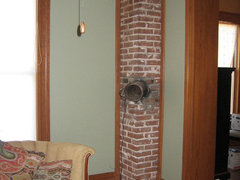
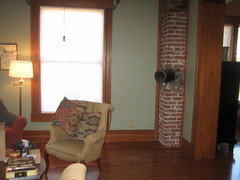
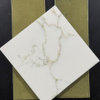
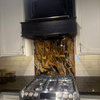
We have recently replaced the wood floors of our late victorian home (1913), We had 'manufactured wood' floors down for 25 years on top of the original floors which were in very, very bad shape. There were kids running around and the manufactured wood floors seemed like a good idea at the time. We have a flue in the corner of the front room that bays in front and is reached from the foyer or from the dining room. It is a great location for a wood stove and allows the heat get where it needs to go. Originally we had a brick hearth straight on the old floors. when we put the 'new' old floors in, we placed a slab of granite for the hearth-extends a foot and half around the legs. we also replaced the huge vermont castings with a smaller (suppossedly more efficient) Jotel. We have had issues with the manufactured wood floors and after a series of leaks they just began to peel like laminate and had to be replaced. when we took the granite off the floor to pull it up, the floor underneath was visibly scorched. mind blown.

the easy thing to do is to not put the stove back. In the rare event we need it though, it's a wonderful asset. Even in Louisiana we occasionally get an ice storm, etc. and the stove was a game changer, but it was mostly used for ambiance and comfort.

I have been trying to find a heat barrier that I can place under the granite (or whatever we put..granite might be part of the problem. Is it a heat conductor?) to prevent the house going up in flames. I'd like to find a smaller (may I say cute?) stove that we could install - but it's the hearth I'm really worried about. the vermont castings had a rear heat shield, which worked well with the walls but I don't think it had a bottom shield. do they even make such a thing?

So the exposed brick flue in the corner screams for something that doesn't put our lives in danger. If we are going to put a stove back, it needs to burn and be an asset. I don't need a fake fireplace, I'd rather take the space back. Does anyone know how this can be fixed? The floors are in and solid wood tongue and groove. Absolutely beautiful. Now what do I do with the cast iron stove on my porch???Living in the deep south we don't have a ton of experts locally on stuff like this. help!

Comments (7)

  • PRO
    8 years ago

    This is like reading a book please post some pics of what you are describing.

  • 8 years ago

  • 8 years ago
    I love your wood floors and trim! Beautiful! But about your woodstove... I live in Canada where having a woodstove is a great asset in winter. I totally get the appeal and usefulness of it. It is imperative however, that your stove and flue be installed correctly, and with the proper clearances and heat protection for obvious reasons, as you know. Every woodstove is different. The manufacturer should be able to provide the recommendations. Better yet, a WETT (Wood Energy Technical Training) certified installer would be able to help. I realize that being in the south, it may be hard to find someone with this certification, and perhaps it is called something different in the U.S. You could start your search with a home inspection company, your property insurance company, or even your local fire department to see if they can point you in the right direction. It is a specialized field though, and you really should refer to someone with the proper training before proceeding. Hope this helps a little.
  • 8 years ago

    thank you! I wish there was something as simple as a chart of manufacturers with btus and clearances etc, but I am having to find them, then compare them, then see (often buried...sometimes needing a phone call) if there are shields available and for what model etc. I was hoping someone had experience with a smaller stove already and could advise. Or someone knows of a type(ceramic?) or manufacturer that specializes in a safer stove. I know you have one for the heat, but shields should be able to have that heat directed outward while protecting the floor and walls. I won't be reinstalling the Jotul, at least not until I am certain that it's safe. If it can't be made safe, then I'll either find one that is (and hearth) or D/C the pipe and just keep the brick exposed. The house originally had 2 brick flues- one for the kitchen and this one in the living room for heating the house. we lined the original going to the roof and removed the brick up top (mortar issues...it was either rebuild for looks, or take it down and just have the metal flue exposed...it looks fine) when we redid the roof post hurricane. I'll keep researching, but if anyone knows of a 'safe' wood stove, I'd appreciate a heads up. Thank's for the WETT info. I'll check for a web site.

  • 8 years ago
    Yes, I second talking to the folks that sell wood stoves. They may be able to help, but then again they may just be salesmen. It's hard to say. I used to work in property insurance, and if someone had a woodstove that had no manufacturers recommendations for clearances, a standard code could be referred to. But it means your older stove would likely have to be installed quite a distance from the wall, with shielding on the walls with an airspace between it and the gyprock, and a hearth with an airspace between it and the wood floor beneath. The airspace prevents heat conduction. New stoves often have attached shields and can be put closer to the wall. I also have a hunch your flue and chimney may not be to code, and would have to be replaced even with a new stove. But again, a professional in the field is really the only way to go for advice here.
    patty526 thanked pdjh
  • 8 years ago

    I wish there was a stove speciality store around, but wood burning is more of an ambience/emergency application around here. We're just thinking that it's too big for the space, and I do think the retailer who we bought it from was just making a sale, because we went over the clearances etc. and were assured it would be fine. I would like to find one that put out a more radiant, directed heat (outward..not down or sides)...not necessary so hot. I have not found such a critter as yet. It may well be that no stove comes back in and we cap the flue hole. The flue is to code, I had a chimney guy do it when we switched out stoves 20 years ago. I wonder if it had nothing to do with the stove at all, but a combination of lining the brick flue and changing to a granite hearth allowed more heat than we were getting in the past. Anyway, thank you for your postings and if anyone knows of such a stove, please let me know!