

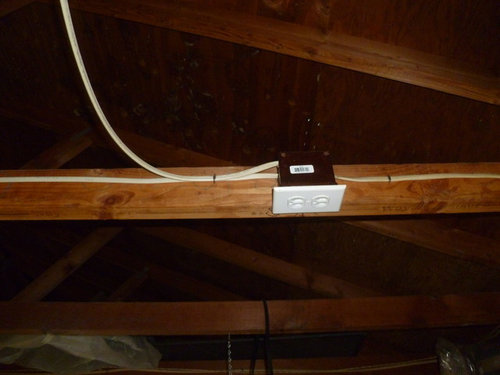
Switched Receptacle Question
8 years ago
last modified: 8 years ago
Sort by:Oldest
Comments (9)

Related Stories

TASTEMAKERS5 Questions for Heath's Adam Silverman
A studio director brings out-of-the-ordinary dinnerware and home accessories to Heath Ceramics' showrooms. See where he goes for inspiration
Full Story
LIGHTING5 Questions to Ask for the Best Room Lighting
Get your overhead, task and accent lighting right for decorative beauty, less eyestrain and a focus exactly where you want
Full Story
DECORATING GUIDESTricks to Hide Light Switches, Outlets and Toilet Roll Holders
Embrace camouflage and other design moves to make these eyesores virtually disappear
Full Story
REMODELING GUIDES6 Tricky Questions to Ask When Planning Your New Kitchen
Addressing these details will ensure a smoother project with personalized style
Full Story
DOORS5 Questions to Ask Before Installing a Barn Door
Find out whether that barn door you love is the right solution for your space
Full Story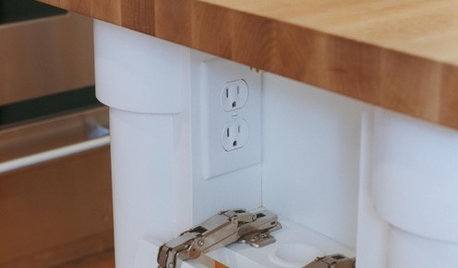
KITCHEN DESIGNHow to Hide Those Plugs and Switches
5 ways to camouflage your outlets — or just make them disappear
Full Story
GREAT HOME PROJECTSHow to Switch to a Tankless Water Heater
New project for a new year: Swap your conventional heater for an energy-saving model — and don’t be fooled by misinformation
Full Story
LIGHTINGWhat to Know About Switching to LED Lightbulbs
If you’ve been thinking about changing over to LEDs but aren't sure how to do it and which to buy, this story is for you
Full Story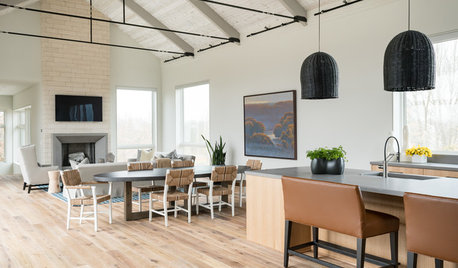
ARCHITECTURE5 Questions to Ask Before Committing to an Open Floor Plan
Wide-open spaces are wonderful, but there are important functional issues to consider before taking down the walls
Full Story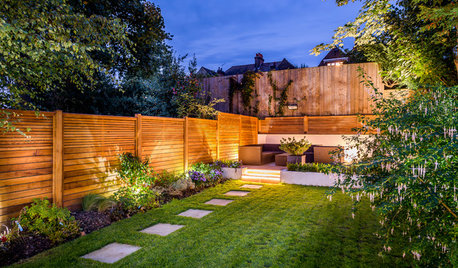
LANDSCAPE DESIGNPros Field Your Questions About Outdoor Lighting
Find out what to consider when illuminating your landscape for safety and ambiance
Full Story
greg_2015
greg_2015
Related Professionals
Emporia General Contractors · Tyler General Contractors · North Adams General Contractors · Bakersfield General Contractors · Magog General Contractors · Cambridge Home Remodeling · Torrington Home Remodeling · Lebanon Home Remodeling · Garden City Home Remodeling · Reno Home Remodeling · Rapid City Home Remodeling · Yakima Home Remodeling · Dalton Bathroom Remodelers · Tucson Bathroom Remodelers · Napa Bathroom RemodelersBruce TOriginal Author
greg_2015
Steve J
Bruce in Northern Virginia
DavidR
mtvhike
joed