

Tiny Pantry Help!
8 years ago
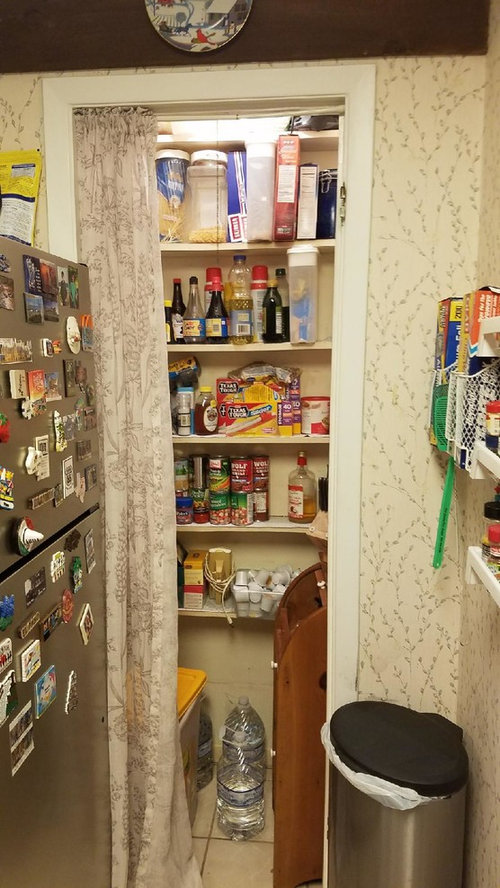
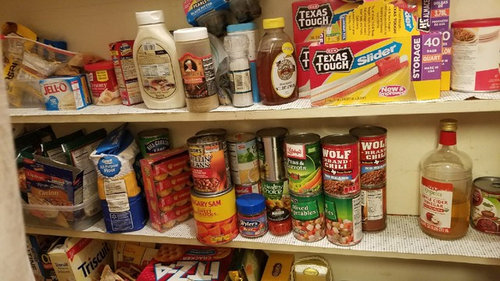
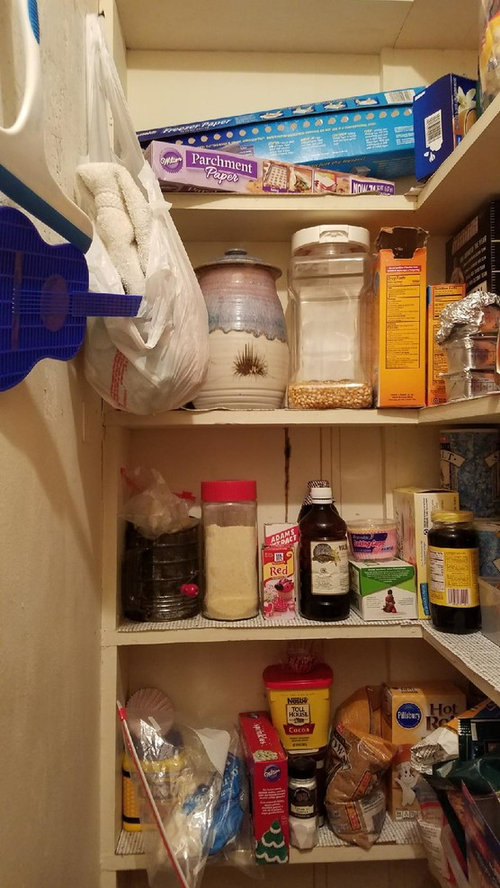
Featured Answer
Sort by:Oldest
Comments (8)
 8 years ago
 8 years ago
Related Professionals
Palm Bay Interior Designers & Decorators · Dickinson Interior Designers & Decorators · Killeen Architects & Building Designers · Hudson Architects & Building Designers · Beatrice Kitchen & Bathroom Designers · Spartanburg Furniture & Accessories · Stamford Carpenters · Elizabeth City Custom Closet Designers · College Station Custom Closet Designers · Magog Custom Closet Designers · Saint Joseph Custom Closet Designers · Nashua Custom Closet Designers · Monroe Interior Designers & Decorators · Lima Interior Designers & Decorators · Cambridge Home Remodeling- 8 years ago
- PRO8 years ago
- 8 years ago
 8 years agolast modified: 8 years ago
- 8 years ago
Related Stories
KITCHEN DESIGNA Butler’s Pantry Helps Serve Up Big Family Meals
High-gloss cabinets, hidden storage and warm wood make this kitchen beautiful and functional for entertaining
Full Story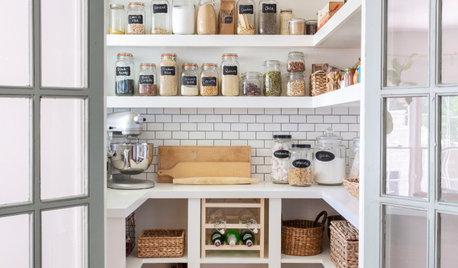
KITCHEN STORAGEWalk-In Pantries vs. Cabinet Pantries
We explore the pros and cons of these popular kitchen storage options
Full Story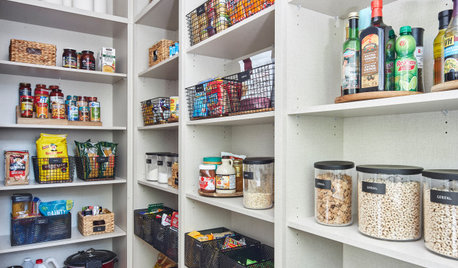
KITCHEN PANTRIES15 Smart Ideas From Beautifully Organized Pantries
See cabinetry and lighting setups that can help keep your food and supplies in good order
Full Story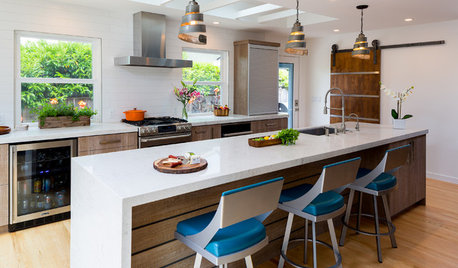
KITCHEN OF THE WEEKKitchen of the Week: Behind the Barn Door, a Butler’s Pantry
Wine barrel pendants add a fun touch to this sleek, newly functional kitchen, where guests can help themselves to drinks
Full Story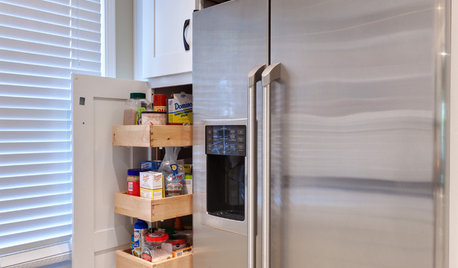
KITCHEN STORAGEPantry Placement: How to Find the Sweet Spot for Food Storage
Maybe it's a walk-in. Maybe it's cabinets flanking the fridge. We help you figure out the best kitchen pantry type and location for you
Full Story
KITCHEN DESIGNDesigner's Touch: 10 Butler's Pantries That Bring It
Help your butler's pantry deliver in fine form with well-designed storage, lighting and wall treatments
Full Story
SMALL HOMESMy Houzz: Retro Style in a Detached Garage-Turned-Tiny Home
Groovy wallpaper and jewel-tone accents help transform a Missouri couple’s garage into a bright, inviting guesthouse
Full Story
LIFEDecluttering — How to Get the Help You Need
Don't worry if you can't shed stuff and organize alone; help is at your disposal
Full Story
SMALL HOMESHouzz Tour: Teatime for a Tiny Portable Home in Oregon
A tearoom, soaking tub and bed of tatami mats recall Japan in this 134-square-foot house on wheels
Full Story
SMALL SPACES10 Tiny Kitchens Whose Usefulness You Won't Believe
Ingenious solutions from simple tricks to high design make this roundup of small kitchens an inspiring sight to see
Full Story
decoenthusiaste