

Light vs. heat cold frame
8 years ago
Sort by:Oldest
Comments (9)

Related Stories

WINTER GARDENINGExtend Your Growing Season With a Cold Frame in the Garden
If the sun's shining, it might be time to sow seeds under glass to transplant or harvest
Full Story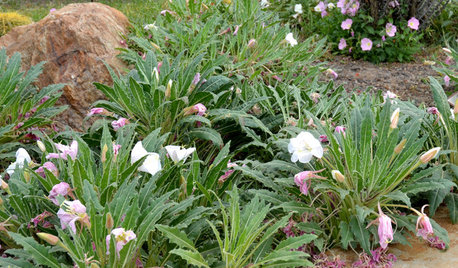
GARDENING GUIDES10 Cold- and Heat-Tolerant Perennials and Shrubs for the Arid West
These flowering native plants shrug off the cold of winter and heat of summer while adding beauty to the drought-tolerant landscape
Full Story
DECORATING GUIDESCold-Weather Sports Gear Heats Up Interiors
Skis, snowshoes and other wintertime sports equipment pieces are sliding off the slopes and into the home
Full Story
LIGHTINGTurn Up the Party Heat — the Sultry Decorating Secret
Give your home a warm and romantic vibe with candles at the entry, lined up along a wall, floating in martini glasses and more
Full Story
HOUSEKEEPINGLower Your Heating Bills With Some Simple Weather Stripping
Plug the holes in your house this winter to make sure cold air stays where it belongs: outside
Full Story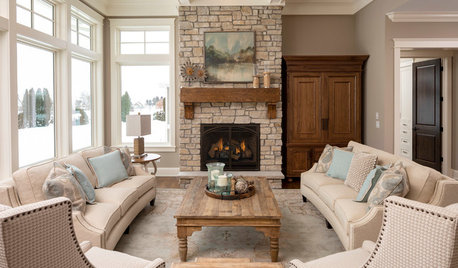
HOLIDAYSSimple Pleasures: Savoring the Season of Warmth and Light
Light up your home and lift your spirits on cold winter days with these decorative touches
Full Story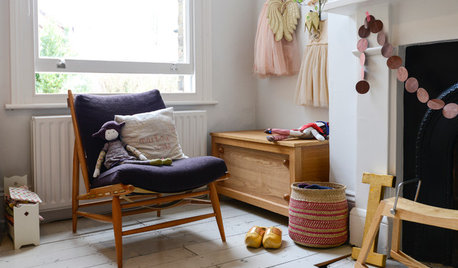
FEEL-GOOD HOMESimple Pleasures: Get Cozy on a Cold Day
Some things are best when the weather is bad. Heat up some cocoa and join the discussion
Full Story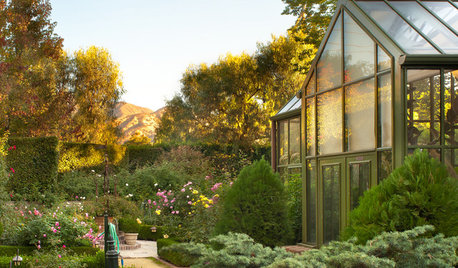
GREENHOUSESGreenhouses Bring Gardens in From the Cold
Get a jump start on summer plantings even if spring chills linger with a greenhouse or cold frames in your backyard
Full Story
WORLD OF DESIGNThis Storybook Sauna Heats Up by Smartphone
A Danish craftsman turned pieces of oak into a free-form spot to unwind in after a long, cold day of thatching roofs
Full Story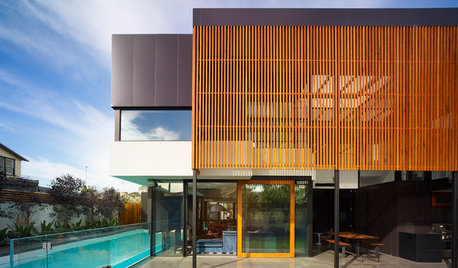
ARCHITECTUREArchitectural Sunscreens Take the Heat Off Homes
Sun-blocking screens help you stay cool, play with light and create a stunning modern exterior
Full Story
daninthedirt (USDA 9a, HZ9, CentTX, Sunset z30, Cfa)
digdirt2
Related Professionals
Vineland Landscape Architects & Landscape Designers · Bartlesville Landscape Architects & Landscape Designers · Huntington Landscape Architects & Landscape Designers · Concord Landscape Architects & Landscape Designers · Leamington Landscape Architects & Landscape Designers · Springfield Landscape Contractors · Bloomington Landscape Contractors · Nashua Landscape Contractors · Utica Landscape Contractors · Portland Landscape Contractors · Sedalia Accessory Dwelling Units · Jamestown Accessory Dwelling Units · Merced Accessory Dwelling Units · Billings Accessory Dwelling Units · Lagrange Accessory Dwelling Unitsdaninthedirt (USDA 9a, HZ9, CentTX, Sunset z30, Cfa)
Don V Zone 5-6 Cleveland OHOriginal Author
Don V Zone 5-6 Cleveland OHOriginal Author
Don V Zone 5-6 Cleveland OHOriginal Author
rgreen48
daninthedirt (USDA 9a, HZ9, CentTX, Sunset z30, Cfa)
Don V Zone 5-6 Cleveland OHOriginal Author