Software
Houzz Logo Print
hawk_941

Help needed with new lawn.

8 years ago
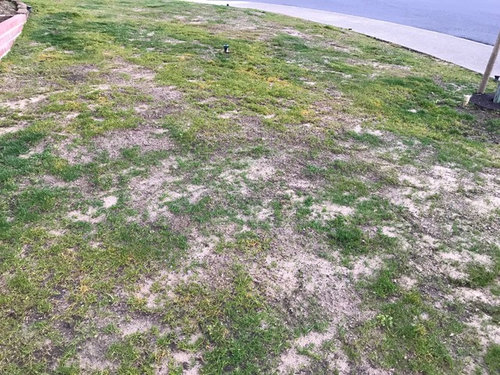
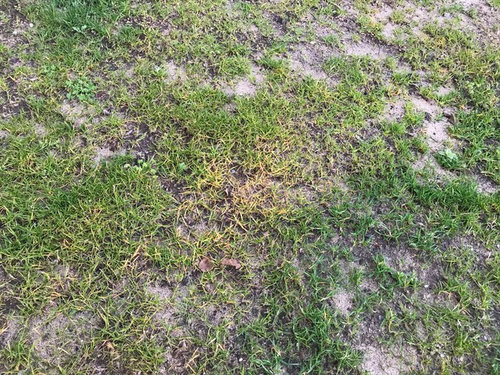
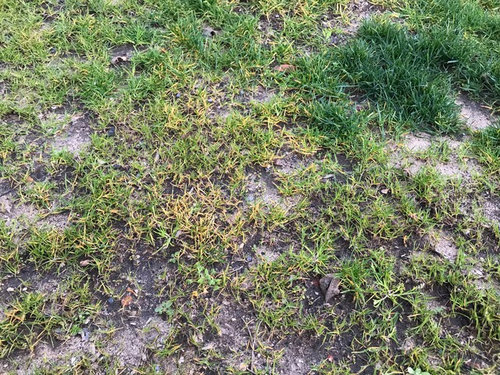
I decided to tear out and replace my patchy, weedy fescue lawn with new soil and a seeded bluegrass lawn. I live just south of San Francisco in a nice little micro-climate where we get way more sun than the city does (10A).


I took out about 4-5 inches of existing material and put down 3 yards of 50/50 soil mix from the local nursery. I seeded using Scotts Bluegrass mix in mid November. In mid December, I added Scotts Turf Builder Starter Food for New Grass. It rained the day I finished, but nothing after that until recently, so I have been watering every morning with my sprinkler system. I am on a slight

hill, so the initial rain, as well as early sprinkler watering, caused some erosion of the new soil, with sand flowing down the hill a bit, creating some fissures. I filled in the largest fissure with more 50/50 and seeded it a couple of days after the initial seeding.


Temps have been generally mild with mostly sunny days, and nights in the mid-to-high 40's to low 50's. What came in initially looked generally healthy. I have had at least one neighbor's dog poop on my lawn (without picking up) so I wouldn't be surprised if some of the not-so-healthy grass is due to dogs. Some areas just have not come in. Perhaps it is mostly from soil/sand buildup from the erosion.


I ended up re-seeding about 4 weeks ago, adding Starter Food at the same time. More seeds germinated, but there is a lot of seed still visible that did not take. It is still really patchy and getting more yellow. Some yellow may be from dogs, but it is doubtful that it all is. The weather has been mild with almost no rain – most daytime temps in the mid 60's, and nights in the low 50's. I was watering every day, but just changed it to every few days with a bit deeper soak. I have not used any kind of weed killer or chemical other than the Turf Builder Starter.


Any advice would be appreciated.


hawk_941's ideas · More Info


hawk_941's ideas · More Info


hawk_941's ideas · More Info


Comments (3)

  • 8 years ago

    Are you using a spreader......or throwing the fertilizer by hand? It looks like some spots got more fertilizer , or maybe spots in the top soil where there is accumulated organic material. Good idea to cut every day water. You don't need the starter fertilizer any more, so switch to a higher nitrogen fertilizer with iron .

    hawk_941 thanked Tom
  • 8 years ago
    last modified: 8 years ago

    You live in one of the few spots where you can seed just about any time of year and get pretty good results. Here's what you should have done:

      1. 1. Level or profiled the surface of the soil to perfection. Fill low spots and bring the high spots down. You seem to be on a hill so fill any rivulets that may have occurred.
    1. 1. Sow a mix of rye, fescue, and Kentucky bluegrass. Rye germinates in a week, fescue in 2 weeks, and KBG in 3 weeks. You have to be careful to water daily, VERY lightly, 3x per day. Water just enough to keep the surface moist and so nothing gets soggy to cause runoff.
    2. 1. Roll the seed down or, for small areas, walk on the seed to press it into the surface of the soil.
    3. 1. Water as mentioned above. Once you have 80% germination of all three grass types, then back off on the frequency and water for just a little longer.
    4. 1. Fertilize with starter type after a month. If you want to use organics like alfalfa pellets, do that 3 weeks prior to seeding.
    5. 1. Mow at the mower's highest setting when it gets tall enough to mow. Mow weekly after that.
    6. 1. Gradually transition into a mature watering mode. Here is more on watering mature lawns.

    Looks like they are having problems with their numbered lists on the forum.

    Watering: Deep and infrequent is the mantra for watering. This is for all turf grass all over the place. Deep means 1 inch all at one time. Put some cat food or tuna cans around the yard, and time how long it takes your sprinkler(s) to fill all the cans. Memorize that time. That will be the time you water from now on. My hose, sprinkler and water pressure takes 8 full hours to fill the cans. Your time will likely be less. I like gentle watering. As for watering frequency, that depends on the daytime air temperature. With temps in the 90s, deep water once per week. With temps in the 80s, deep water once every 2 weeks. With temps in the 70s, deep water once every 3 weeks. With temps below 70, deep water once a month. Note that you have to keep up with quickly changing temps in the spring and fall. This deep and infrequent schedule works in Phoenix and in Vermont, so it should work for you. The reason for deep and infrequent is to grow deeper, more drought resistant roots and to allow the soil to dry completely at the surface for several days before watering again. If it rains, reset your calendar to account for the rainfall. In your area you may never water more frequently than once every 2 weeks.

    hawk_941 thanked dchall_san_antonio
  • 8 years ago

    Tom, I used a hand held spreader. I only used the fertilizer the two times. Should I just wait it out and see if the reseeding works?

    Which fertilizer would be better to use?

    5% Nitrogen + 2% Phosphate + 1.2% Calcium + 4% Iron

    or

    29% Nitrogen + 5% Potash + 2% Iron