

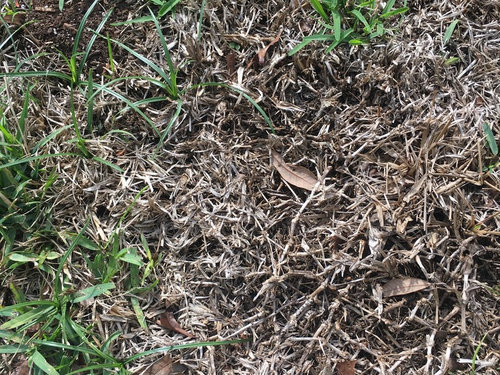
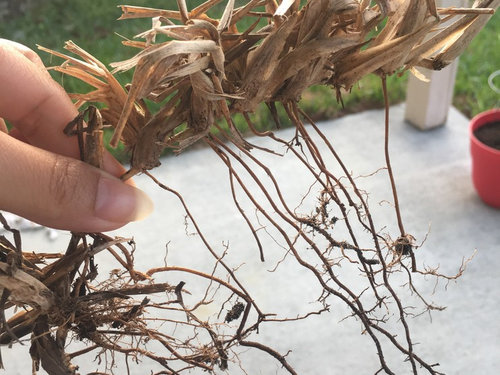
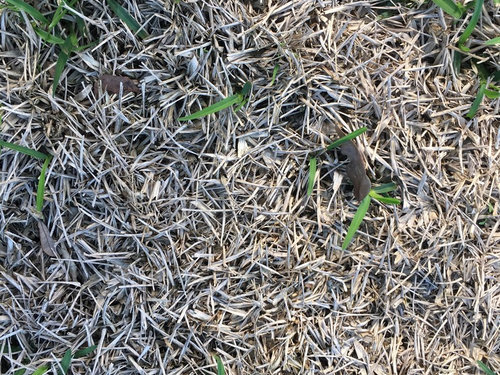
TARR or Brown Patch in St Augustine Grass
8 years ago


Sort by:Oldest
Comments (4)

Related Stories

GARDENING GUIDES5 Great Grasses for a New Lawn
Learn about maintenance, wear tolerance, ideal climate and more for these top turf choices to pick the right one for you
Full Story
GRASSESHow to Rock a Lawn
Weekend Project: The key to healthy grass begins with the soil. If turf works for you, here’s how to fix it and keep it looking its best
Full Story
GARDENING GUIDESA Mom, a Garden and a Gift for the Neighbors
Gardening can be therapeutic in unexpected ways. See how one gardener found peace and purpose in a patch of Florida soil
Full Story
LANDSCAPE DESIGN7 Low-Maintenance Lawn Alternatives
Turf isn't the only ground cover in town. Get a lush no-grass lawn with clover, moss and other easy-care plants
Full Story
MOST POPULARMeet a Lawn Alternative That Works Wonders
Carex can replace turfgrass in any spot, is low maintenance and adjusts easily. Add its good looks and you’ve got a ground cover winner
Full Story
FRONT YARD IDEASInspiring Alternatives to the Traditional Lawn
Consider the many attractive and ecologically friendly alternatives to turfgrass
Full Story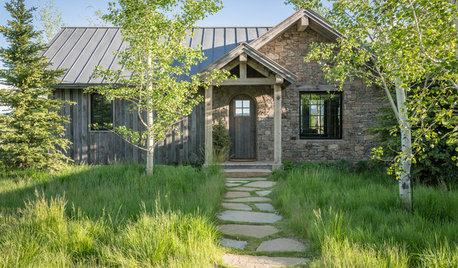
GARDENING GUIDES8 Sustainable, Organic Practices for Greener Lawn Care
Ditch the pesticides and fertilizers and adopt eco-friendly practices that will keep your lawn lush and healthy
Full Story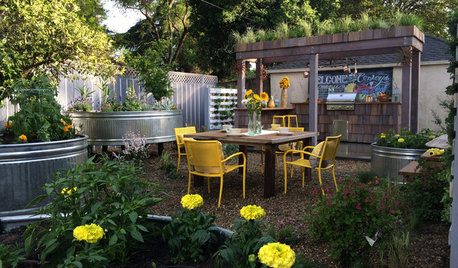
FARM YOUR YARDRemake Your Backyard Into a Mini Farm
You can get a taste of country life by line-drying your laundry, growing some produce or going whole hog with the critters
Full Story
EARTH DAYThe Case for Losing the Traditional Lawn
Work less, help the environment and foster connections by just saying no to typical turf
Full Story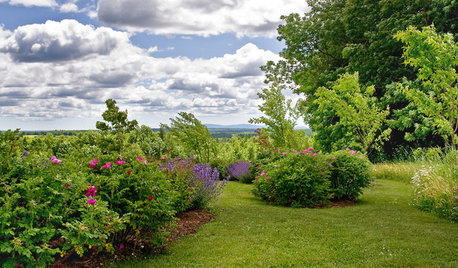
LANDSCAPE DESIGNYour Mini Guide to Great Garden Edges
Get the scoop on trenches to the skinny on bender board, to help keep your garden beds as tidy as you like
Full Story
Sponsored
dchall_san_antonio
Alice EspaldonOriginal Author
Related Professionals
Dalton Landscape Architects & Landscape Designers · Rolla Landscape Architects & Landscape Designers · Atlantic City Landscape Architects & Landscape Designers · Bridgeport Landscape Architects & Landscape Designers · Miami Landscape Contractors · Tyler Landscape Contractors · Colorado Springs Landscape Contractors · Lubbock Landscape Contractors · Missoula Landscape Contractors · Logan Landscape Contractors · Ogden Landscape Contractors · Wenatchee Landscape Contractors · Crestview Home Builders · Vidalia Home Builders · Kingman Home Buildersdchall_san_antonio
Alice EspaldonOriginal Author