

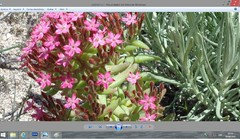
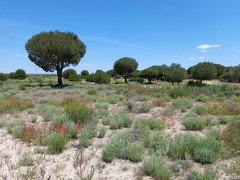
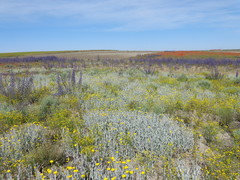
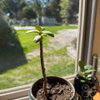
Sedum experts needed.
8 years ago

Featured Answer
Sort by:Oldest
Comments (21)
Related Professionals
Worcester Landscape Architects & Landscape Designers · Flint Landscape Architects & Landscape Designers · Harrisburg Landscape Architects & Landscape Designers · Somerset Landscape Contractors · Vineland Landscape Contractors · Clarksburg Landscape Contractors · New London Landscape Contractors · Willmar Landscape Contractors · Sioux Falls Landscape Contractors · Palm Desert Landscape Contractors · Crestview General Contractors · Indianapolis General Contractors · Jamestown General Contractors · Rochester General Contractors · Bronx General Contractors 8 years ago
- 8 years ago
- 8 years agoaloebot thanked Helen Agius (Adelaide,Sth Aus) USDA Z10b
- 8 years agoaloebot thanked Helen Agius (Adelaide,Sth Aus) USDA Z10b







Related Stories
HEALTHY HOMEHow to Childproof Your Home: Expert Advice
Safety strategies, Part 1: Get the lowdown from the pros on which areas of the home need locks, lids, gates and more
Full Story
LATEST NEWS FOR PROFESSIONALSWhat Types of Insurance You Need During the Pandemic
In this webinar, insurance expert Steve Coviello discusses the best policies to protect your business and employees
Full Story0
FEEL-GOOD HOMEWhat We Need and Want From Our Homes Today
Experts at the recent Designscape event share insights on creating a nurturing and functional home
Full Story
ORGANIZINGPro Tips to Help You Get the Storage You Need
Experts share their favorite guidelines and products for keeping homes organized
Full Story
HOUSEKEEPINGHow to Clean Your Bathmat — and When You Need a New One
An expert who has seen his share of dirty bath rugs shares advice on how to keep them clean
Full Story
REMODELING GUIDESTile Trends: Styles You Need to Know
Industry experts reveal the latest tile patterns, shapes and textures making waves in kitchens and bathrooms
Full Story
CONTRACTOR TIPSContractor Tips: 10 Home Areas That Likely Need a Pro
Safety, less cost and better aesthetics on a home improvement project may rest in the hands of an expert
Full Story

GARDENING GUIDESHow to Give Essential Bees the Support They Need
It’s hard to grow fruits and veggies without these hardworking insects. Here’s what we can do to help bring them back
Full Story
BATHROOM DESIGNExpert Talk: Freestanding Bathtubs Make a Splash
Professional designers explain why they chose freestanding tubs and how the style can enhance the design of any bathroom
Full Story


Andrew (UK south coast, like 9a)