Software
Houzz Logo Print
lilfurybug

Popcorn ceiling in 1900 house?

8 years ago

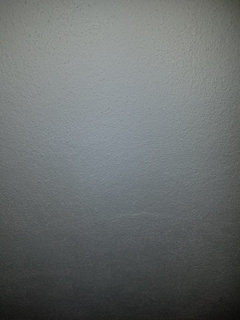
We have some textured ceilings in our house, which was built in 1900. Two of the bedrooms have the "swirly" pattern that looks troweled, and then randomly, just the stairwell (but not adjacent hallways) has the traditional icky "popcorn" stucco look. Is it possible these textures were added after being built? It's so odd to me that these textures appear in some places and not others, and in a home of this vintage. I don't like them, but don't plan to remove them, but things like ceiling fan replacement, etc. make me nervous in the event they contain asbestos.

Comments (17)

  • 8 years ago

    I would bet my next paycheck that a house that's almost 120 years old has had many changes to it and those ceilings are Exhibit 1. If you are nervose about whether any of them have asbestos in them, have a small sample sent to a certified test lab. The test should cost less than $100, and then you can proceed from there. You can typically get a list of qualified, certified labs from your state or local environmental agency.

  • 8 years ago

    Thanks, yes - many things happen in 120 years, right? :) It's just amazing how much of the original stuff in this house was left - moldings, doors, plaster walls, etc! But at some point someone decided texture would be nice to add?! ugh, haha. I suppose it is possible the bedroom troweling is still fairly old, but who knows when the stairwell ceiling was added. My only concern about testing is that we then have to disclose. and if we aren't doing serious renovation, most people don't test. I'll have to think about it.

  • 8 years ago

    As someone who worked in asbestos regulation for many years, I can say that no one can tell you only through visual inspection whether any of your ceilings contain asbestos. A lot of times it got mixed into many products due to the fact that the fibers added strength and were fire retardant. If there is asbestos in it, but it's not flaking, there's no problem if you don't mess with it. However, you are correct about disclosure.

    On the other hand, if you don't know, don't test, and tear into it for remodeling or whatever, you're going to possibly continue to worry afterwards about whether you created a problem. Let me ask this: If you tested and found it had asbestos, would this prevent you from doing anything to the ceiling?

  • 8 years ago
    last modified: 8 years ago

    It's so odd to me that these textures appear in some places and not others, and in a home of this vintage

    Look at the goofy things people do today to "restore" houses. They've always been like that. I can remember back in the late 80s being in a circa 1900 house with great local history that the current owners had restored, and the restoration included sparkly popcorn in any room where the original ceiling plaster work was damaged. Sigh.

  • 8 years ago

    Kudzu, we don't plan on doing anything to the ceilings, but it worries me just in repair work. For example, we have a broken ceiling fan/light on one of the "troweled" ceilings that we need to call an electrician about. It obviously has a hole cut in the ceiling already, but could require screwing into at some point if we need to replace the fan. It's hard for me to tell, based on what I've read, how risky those kinds of very minor disturbances are. I have no designs on remediating the stairwell ceiling, unless it begins to deteriorate (it hasn't). I would certainly never do a major renovation of any kind without testing, but this house is not our forever house, and we don't plan to live here more than a few years. I just don't want to put us in a dangerous position in the meantime. Thanks for your input!

  • 8 years ago
    writersblock - sigh indeed. why would you ever?!

    To any knowledgeable responders - If there is a small (i.e. 1/2 inch dia) hole in a popcorn ceiling, can you wet the surface and gently put some spackle in there (with hands maybe?) without disturbing the rest? I have one tiny hole that I worry will release fibers but don't want to release more while patching!
  • 8 years ago
    Thanks kudzu! what about the fan issue with potential screw holes (in the less textured but still trowled plaster ceiling)? I know for drilling they recommend shaving cream to minimize dust, but when screwing something IN (esp electrical), that doesn't seem practical.
  • 8 years ago

    About the fan, I don't think there should be a problem. Fans are not typically screwed into ceilings. They are held in place by screws that go through the fan base and are threaded into holes in the electrical box. Changing the fan should not have to involve drilling into the ceiling.

  • 8 years ago
    Thanks for all your comments, kudzu. I hope that is the case. I guess I just saw a video where the base screwed into the ceiling and the box. I'll have to look into my specific dan.
  • 8 years ago
    last modified: 8 years ago

    lilfurybug-

    Anything is possible given that there is an impressively large number of DIY'ers who don't know or don't care what they are doing. In every one of my homes, I've had to undo imaginative "repair" jobs for plumbing, wiring, roofing and gutters that the prior owners did. And there may be some ceiling fans that require that kind of install, though, thankfully, I've never encountered one. Hopefully, your fan was installed to code and without it being directly screwed to the ceiling.

  • 8 years ago

    Can you show pictures? there were some funky plastering techniques

  • 8 years ago
    last modified: 8 years ago

    Authentic textured ceiling treatments aren't that unusual in an older house. Restored a house built in 1793 and we added an authentic treatment to two really rough ceilings. We used a thin coat of joint compound and pressed our hands into the wet skim. This is a technique that goes back hundreds of years and was done in wet plaster. The living room was more delicate looking because my hand is smaller than my husband's and he did the dining room. People we sold the house to were familiar with the treatment but wonder if later owners will wonder if it's just a poor remuddle!

  • 8 years ago
    yeah, I was asking because I suspect it is possible that at least the bedrooms are original or at least pre the "popcorn" fad. less clear about the stair area. I tried to take pics but the lighting wasnt great. The more traditional bumpy one is the stairwell ceiling.
  • 8 years ago

    pkpk23, do you have any photos of what you're talking about? I've never heard of using your hands to press a pattern! ... assuming it is a pattern and not just a random hand print here and there. lol! Also really wondering if you used ordinary joint compound or the quick-setting stuff you have to mix yourself?

    I've worked with ordinary joint compound since I was a kid, but have never dealt with mixing my own or the quick-setting version. I've got two ceilings that came with a swirl pattern that then apparently had sand (or whatever they use for 'popcorn') thrown on top of that... it's very dense and clumpy in some spots, sparse in others, unevenly textured, and looks like an overall bad job was done to create it. I've tried scraping the worst spots several times over the years but really cannot budge it because it's been painted over so many times, I guess, so I've tried painting more to "fill in" but that doesn't work. I've been thinking of doing a skim coat on those ceilings using ordinary joint compound and wonder if it really is that much different from the quick-set stuff. Anything would look better than it looks now. :p Last year I primed those ceilings thinking I'd then try a skim coat of JC, but panicked and backed off after reading that I should only use quick-set JC. :p

  • 8 years ago
    last modified: 8 years ago

    Don't have a photo- of all the houses I've owned. that house was my favorite. Used ready made joint compound (not quick dry) put on with wide knife. Do small section at a time. Press hand lightly into joint compound and pull away- all over pattern created one hand size at a time. You overlap as you work so not a hand impression. Wipe hand regularly as you work. Recommend practicing on a board first before working over your head. Texture is affected by amount of joint compound used, size of hand, and how hard you press. Most skill needed is getting joint compound on with fairly uniform depth. Time consuming but easy with excellent result.

  • 8 years ago
    last modified: 8 years ago

    Thank you for answering, pkpk23! Did you prime your ceiling first? Also concerned with how long it holds up... worried that it might lose hold and start falling off. Guess I should just bite the bullet and start by trying it on the ceiling in the hallway because it's the smaller of the two. My plan was to do it in small sections, so I'm happy to hear that's the way to go!!!