Software
Houzz Logo Print
ron_thomas66

San Marzano issues

8 years ago
last modified: 8 years ago
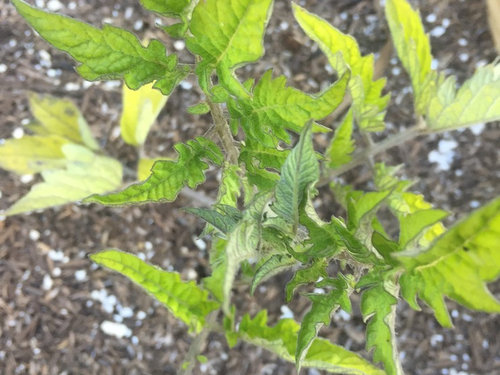
I have 2 sets of San Mazanos that I planted this year. The first set of 6 are in raised planter boxes in pure potting soil. The second set of 3 is in the ground with a mix of our terrible San Diego soil and planting mix.

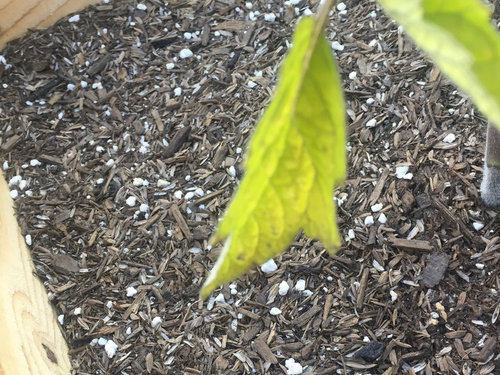
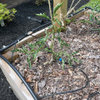
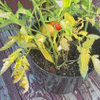
The set in the ground are growing fine and look very healthy. The set in the raised boxes are looking a bit sad. Each plant has it's leaves pointing toward the sky and the leaves are slightly folded and looking a pale green/yellow. They aren't wilting and the stalks look strong but I'm concerned for their future.

I'm worried this is a virus, namely tomato curl but I haven't found any evidence of bugs that could have transmitted the virus. I also regularly spray bonine on my plants to keep pesky critters away (both ground and raised plants receive the same treatment).

Any thoughts on what this might be? The soil in the boxes are very well drained and I check the soil moisture on a daily basis to ensure good watering.


Comments (7)

  • 8 years ago

    From the info provided I don't know if they are over-crowded, how deep the soil is, or what soil-mix it is but the photos all show signs of severe nutrient deficiency and/or possible over-watering. Watering issues cause physiological leaf roll as in your photos. So what and how much have you fed them and what is your watering regimen?

    Containers work best when filled with soil-less potting mix, not soil, as soil compacts, drains poorly, develops root rot, etc. But given the pics your problem is far more likely a growing conditions issue, not any disease issue.

    Bottom line - those plants are starving.

    Dave

  • 8 years ago
    last modified: 8 years ago
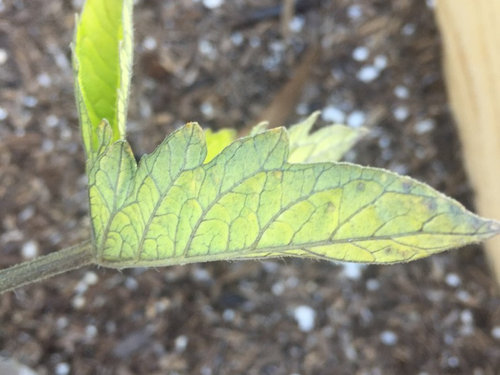
    Thanks Dave - I water about 3 times a week but check the soil daily to ensure it doesn't get too dry (it's been 90+ here the last few days) but also checking to make sure it isn't "wet". I also use a tomato food every 2 weeks - sorry can't remember the brand, I will have to get that info when I get home later.

    The plants have around 20-22" in spacing between them and the soil (potting soil) is about 26" deep.

    The regimen is exactly the same for the plants in my ground (that are very healthy) with the exception that my ground plants get watered slightly less due to better water retention in the earth.

    I've never planted tomatoes above ground before so this is my first year and I could be doing things completely wrong. I thought I would try it this year so I could just replace the soil annually instead of rotating my small garden space.

    P.S. (the raised bed is 18 inches about the ground and there are 22 drainage holes to ensure full drainage). I will check the pH later to see of there is an issue with the soil.

  • 8 years ago

    San Diego area here too - I agree on the possible over watering and nutrient deficiency, but I think our crazy weather/temperature swings lately aren't helping much, either, especially if they're already stressed by having their feet too wet or being cold. If your raised beds are up off the ground (unless I'm reading it wrong?), the soil temperature might be swinging a lot as well. It's not easy for anyone to get used to 30-40 (or more) degree temperature changes every day, especially baby plants. It looks like you have a lot of wood chippings in your mix, too...as those decompose they can suck the nitrogen right out of the soil, I haven't had a lot of luck with vegetables in mixes like that. Just thinking out loud.

    I have large raised beds too - 4'W x12L 'x3'D - and I used a mix of about 50% native soil (the good clay/loam part, not sand) and 50% compost/soil amendments. I find my plants do a lot better in that mix than straight potting mix with that large a volume of soil, and it holds moisture much better in the dog days of summer. I wouldn't do it in smaller containers, but it works extremely well in my large raised beds.

  • 8 years ago

    Thanks Humsi - yes it is a raised bed and you are definitely right on our weather down here. Being inland it can be 40 at night and 90 during the day which I'm sure is causing a huge fluctuation in the soil temperature right now.

    I'm not sure I can amend the soil at this point since the plants are established as I don't want to disturb their roots and cause an even bigger problem. The goal is to use the soil as a throw away annually instead of crop rotation since I don't really have much space to deal with rotation. I will consider the 50/50 for next year's crop however.

    I'll drop to 2x weekly waterings and try to add some nutrients back to the soil. I have both liquid feed and dry feed, any preferences on which works best or experiences on feed that people have used int he past that works real well?

  • 8 years ago

    "I'm not sure I can amend the soil at this point since the plants are
    established as I don't want to disturb their roots and cause an even
    bigger problem."

    Sure you can. It is a common practice. You can do it in many ways including just spreading compost or co9mposed manure or any other kind of dry amendment on top of the bed, side-dressing the plants with any dry granular form of fertilizer, or simply feed the plants and soil with one of the hundreds of liquid supplements available.

    Dave


  • 8 years ago

    I hear you Ron, I'd probably do the same and let it play out this year. Dave has a good point about giving them some extra good stuff as the season goes on, too. I think you probably want to do some liquid feeds for now, they'll absorb those a lot more quickly and easily than dry at this point - I think you just want to be careful not to over do it so you don't end up fertilizer burning them on top of everything else.

    Honestly, I really wouldn't worry too much about rotating your crops or throwing away soil unless you get something that is identifiable as a real soil issue/disease problem going on. I don't think our area tends to have a lot of the really bad soil borne disease issues that other locations might have to deal with (more the stupid insects and powdery mildew). My tomatoes, greens, and beans particularly grow in the same beds every year, sometimes year round, with no problems. I'd just do as Dave suggests and add compost/amendments as you can, when you plant new plants, dig a larger hole than normal and mix it in, or when you empty the bed of plants for the next season mix a couple of inches of compost/composted manure deeply into the whole bed. Eventually that wood will break down, I think it's just the process of actively breaking down that causes the short term problems.

Sponsored
Kuhns Contracting, Inc.
Average rating: 5 out of 5 stars26 Reviews
Central Ohio's Trusted Home Remodeler Specializing in Kitchens & Baths