

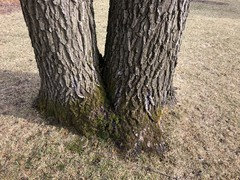
Multi-stem life expectancy
8 years ago
Featured Answer
Sort by:Oldest
Comments (13)
 8 years ago
- 8 years ago
Related Professionals
Panama City Landscape Architects & Landscape Designers · Covington Landscape Architects & Landscape Designers · Plymouth Landscape Architects & Landscape Designers · Denver Landscape Architects & Landscape Designers · Kennewick Landscape Architects & Landscape Designers · Shreveport Landscape Contractors · Westminster Landscape Contractors · Asheville Landscape Contractors · Coeur d'Alene Landscape Contractors · Victoria Landscape Contractors · Charlottesville Home Additions · Waterloo Home Additions · Springfield Home Additions · Alpena Home Additions · Spanish Fork Home Additions- 8 years ago
- 8 years ago
 8 years ago
- 8 years ago
- 8 years ago
- 8 years ago
- 8 years ago
 8 years ago
- 8 years ago
- 8 years agolast modified: 8 years ago



Related Stories
MOST POPULARTrend Watch: 13 Kitchen Looks Expected to Be Big in 2015
3 designers share their thoughts on what looks, finishes and design elements will be on trend in the year ahead
Full Story
DECORATING GUIDESInterior Design Trends Expected to Take Hold in 2018
Get the lowdown on the colors, materials and other design decisions gaining steam now
Full Story
SMALL SPACESLife Lessons From 10 Years of Living in 84 Square Feet
Dee Williams was looking for a richer life. She found it by moving into a very tiny house
Full Story
MOST POPULARThree Magic Words for a Clean Home and a Better Life
Not a natural tidying and organizing whiz? Take hope in one short phrase that can change your life forever
Full Story
LIFE10 Smart Organizing Ideas That Make Life Easier
Rethink where and how you store household basics, from bills to baking supplies, to buy some time and save some headaches
Full Story
SMALL HOMESCan You Live a Full Life in 220 Square Feet?
Adjusting mind-sets along with furniture may be the key to happiness for tiny-home dwellers
Full Story
KITCHEN DESIGN12 Inspiring Real-Life Vintage Kitchens
Beautiful doesn't have to mean slick and new. See how these older kitchens make the most of their vintage style
Full Story
INSPIRING GARDENSNative Plants Bring 10 Southern California Front-Yard Gardens to Life
Rare plants, rain gardens and wildlife habitats are just a few of the features showcased on the 2016 Theodore Payne Native Plant Garden Tour
Full Story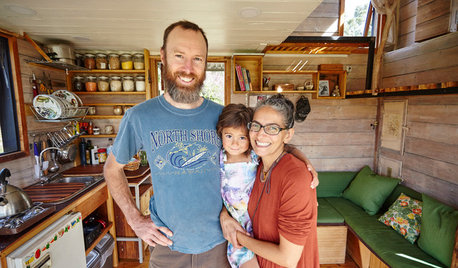
SMALL HOMESTiny Houzz Tour: Living the Good Life Their Way
This owner-built home in Australia may be on the small side, but it provides the perfect space for the family’s big dreams to come true
Full Story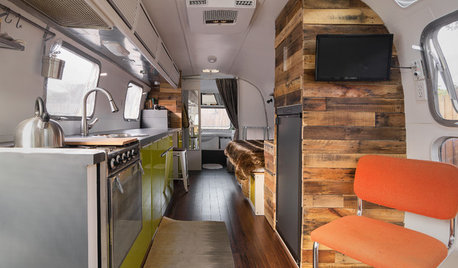
HOUZZ TV FAVORITESMy Houzz: New Life and Style for a 1976 Airstream
The owner of this 1976 Ambassador Airstream embraces flexible furniture and clean, organized spaces
Full Story


Dave in NoVA • N. Virginia • zone 7A