

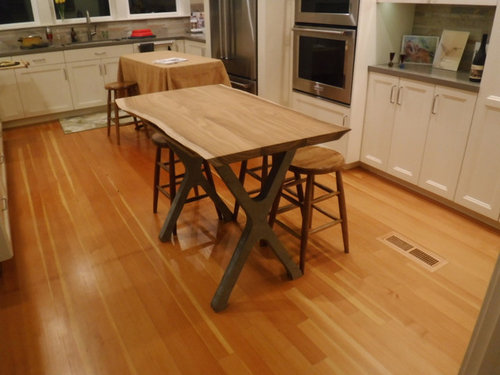
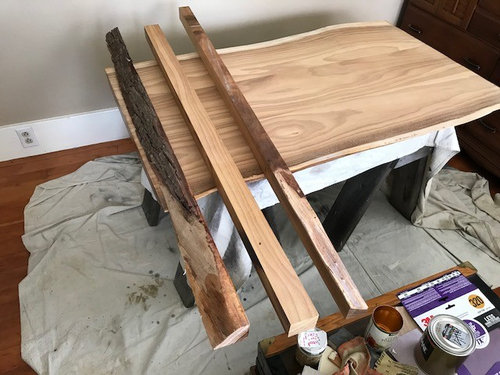
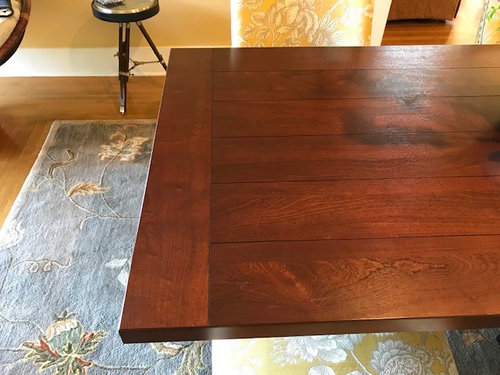
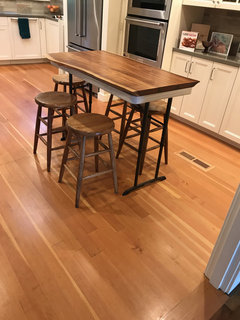
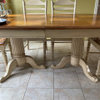
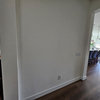
Can my Live Edge table be made longer?
8 years ago
Featured Answer
Sort by:Oldest
Comments (6)
 8 years ago
- 8 years ago
Related Professionals
Florence Cabinets & Cabinetry · San Marcos Cabinets & Cabinetry · Fergus Falls Cabinets & Cabinetry · Farmington Cabinets & Cabinetry · La Grande Cabinets & Cabinetry · Vidalia Carpenters · New Bedford Carpenters · Platteville Carpenters · Eugene Carpenters · Spanish Fork Carpenters · Hagerstown Flooring Contractors · Jamestown Flooring Contractors · Washington Furniture & Accessories · Chillicothe Cabinets & Cabinetry · Manhattan Cabinets & Cabinetry- 8 years ago
- 8 years ago
- 7 years ago
Related Stories
FURNITUREKitchen Tables for the Real Lives We’re Living
They see it all: homework, stories and, of course, meals
Full Story
MORE ROOMSThe Family Home: Living Rooms You Can Live In
Have a beautiful, stylish living room that's also kid-friendly by incorporating smart storage, comfort and bold colors
Full Story
LANDSCAPE DESIGNLiving on the Edge of the Wild
When Mother Nature is your neighbor, the possibilities — and responsibilities — can be that much greater
Full Story
FURNITURE10 Kinds of Glass Coffee Tables That Can Make a Room
Want to elevate your living room’s elegance? It’s easy to go right with a stunning glass coffee table
Full Story
DECORATING GUIDES12 Coffee Tables to Stir Up a Living Room Look
Keep drinks on the down low or sip in high style. You'll find a coffee table style for every design taste here
Full Story
ARCHITECTURECliffside Homes Encourage Living on the Edge
Thrills are everyday affairs even in structurally sound homes on slopes and cliffs, thanks to jaw-dropping views and unique configurations
Full Story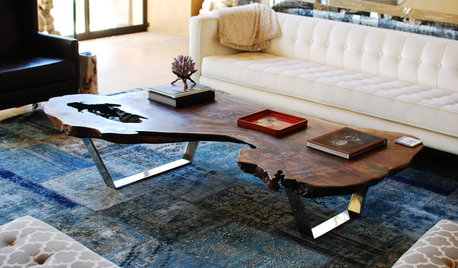
FURNITURELive-Edge Wood: A Natural Bridge to a Cool Blended Style
See how designers use part of a tree's organic form to add a one-of-a-kind look to any living room
Full Story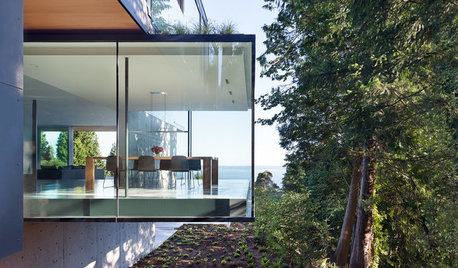
ARCHITECTURELive on the Edge With Cantilevered Design
Whether you want unobstructed views or just a little more legroom at breakfast, cantilevered design extends your options
Full Story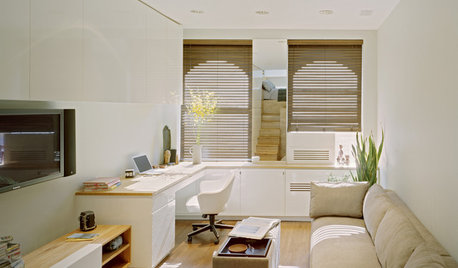
SMALL HOMESCan You Live a Full Life in 220 Square Feet?
Adjusting mind-sets along with furniture may be the key to happiness for tiny-home dwellers
Full Story
LIFEWe Can Work It Out: Living (and Cleaning) Together
Run a household without fussing and fighting with these ideas for how to work together on household chores
Full Story
toxcrusadr